

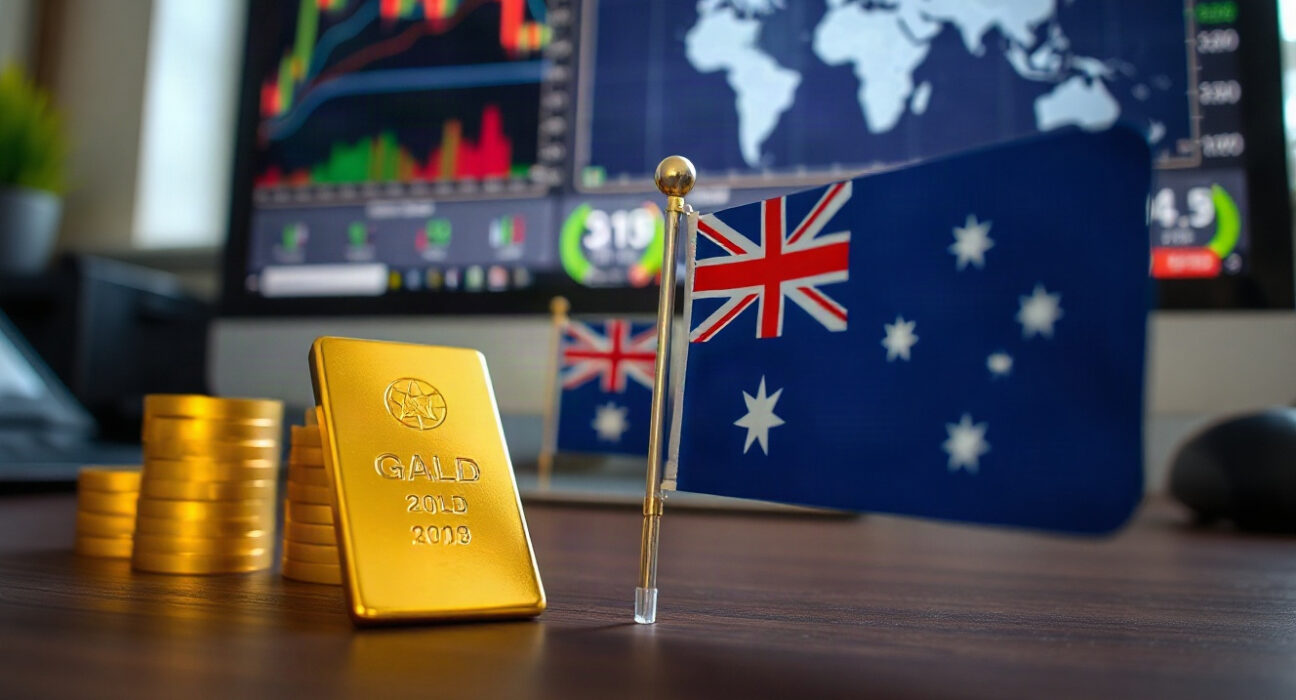
The US Treasury Secretary’s recent actions on Iran, a surge in gold prices to a three-month high, and the upcoming Australian CPI release are the key market drivers this week, according to the latest trading notes.
Bessent’s Iran Offensive: What It Means for Markets
Treasury Secretary Scott Bessent has intensified economic pressure on Iran, a move that analysts say could ripple through global energy markets and investor sentiment. The specifics of the offensive, likely involving new sanctions or enforcement actions, are part of a broader strategy to curb Iran’s financial influence.
For traders, the immediate focus is on oil prices, as any disruption in Iranian exports could tighten supply. However, the broader market impact may be limited unless the measures escalate into a wider conflict. Investors are also watching for potential retaliation from Tehran, which could add a risk premium to assets like gold.
Gold Hits Three-Month High: Safe-Haven Demand Returns
Gold prices have climbed to their highest level in three months, driven by a combination of geopolitical uncertainty, central bank buying, and expectations of interest rate cuts. The metal’s rally reflects a cautious mood among investors, who are hedging against potential market volatility.
The recent gains are notable given that gold had been range-bound for much of the year. With the Federal Reserve signaling a possible easing cycle, lower yields make non-yielding assets like gold more attractive. Additionally, sustained purchases by central banks, particularly in emerging markets, have provided a solid floor under prices.
Australian CPI Ahead: Key Data for RBA Policy
Australia’s upcoming Consumer Price Index (CPI) release is set to be a critical data point for the Reserve Bank of Australia (RBA) as it deliberates on future monetary policy. Economists expect the inflation figure to remain within the RBA’s target range, but any upside surprise could delay rate cuts.
The market is pricing in a roughly 50% chance of a rate cut in the coming months, but a hotter-than-expected CPI would likely push those expectations out. Conversely, a softer print could reinforce the case for easing, potentially weighing on the Australian dollar.
Why These Drivers Matter for Your Portfolio
These three developments—Bessent’s Iran stance, gold’s rally, and the Australian CPI—are interconnected. Geopolitical tensions often boost safe-haven assets like gold, while central bank policy decisions influence currency and bond markets. For investors, staying informed on these issues is crucial for navigating short-term volatility and positioning for long-term trends.
Conclusion
As of this week, the market landscape is shaped by Treasury Secretary Bessent’s Iran strategy, gold’s upward momentum, and the upcoming Australian inflation data. Each factor carries implications for different asset classes, and their combined effect will likely drive trading in the days ahead. Investors should monitor these developments closely, as they offer both risks and opportunities.
FAQs
Q1: What is the ‘Bessent Iran offensive’?
The term refers to Treasury Secretary Scott Bessent’s recent actions to increase economic pressure on Iran, likely through sanctions or other financial measures. This is part of a broader US strategy to counter Iran’s influence.
Q2: Why is gold at a three-month high?
Gold has risen due to a mix of geopolitical uncertainty, central bank buying, and expectations of interest rate cuts, which make the non-yielding metal more attractive to investors.
Q3: How will the Australian CPI affect the RBA’s decisions?
The CPI data will influence the RBA’s interest rate decisions. If inflation is higher than expected, the RBA may hold off on rate cuts; if it’s lower, it could pave the way for easing, affecting the Australian dollar and bond yields.
Disclaimer: The information provided is not trading advice, Bitcoinworld.co.in holds no liability for any investments made based on the information provided on this page. We strongly recommend independent research and/or consultation with a qualified professional before making any investment decisions.
