

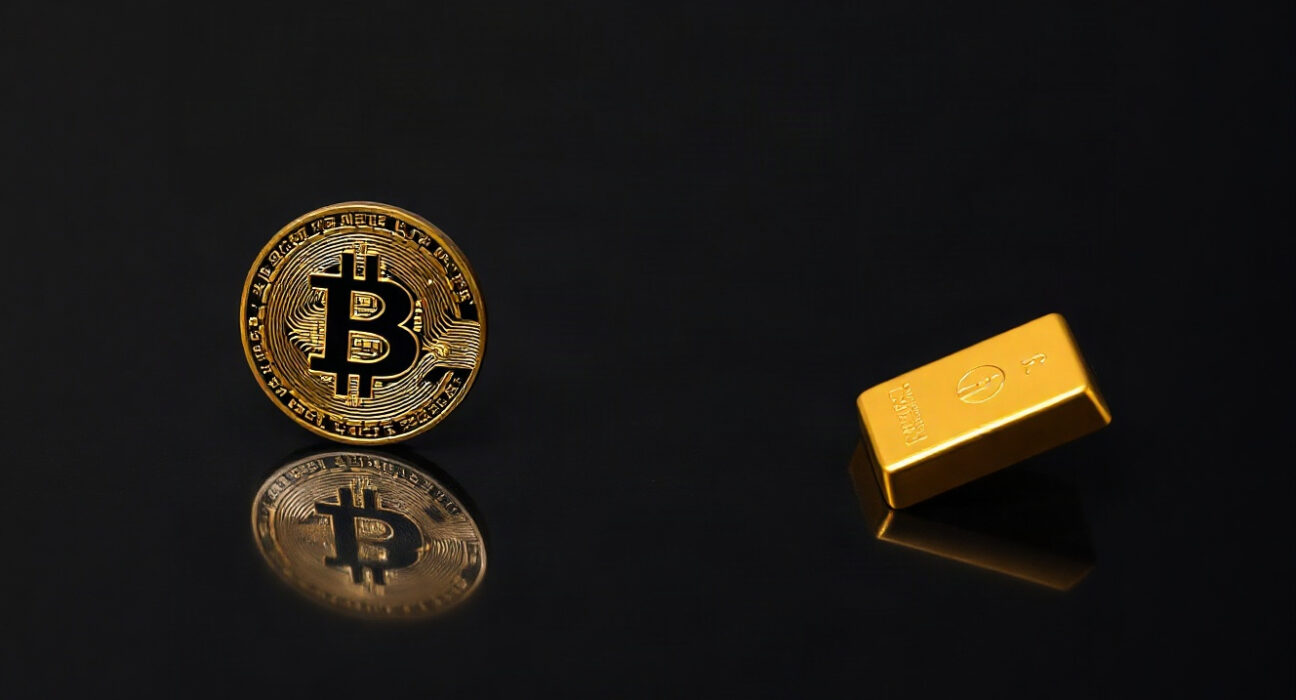
Bitcoin is clinging to a critical support level while gold prices have slipped, as renewed US-Iran tensions inject fresh uncertainty into financial markets. As of the latest trading session, BTC/USD is hovering near the $60,000 mark, a level traders are watching closely for a potential breakdown or rebound. Meanwhile, spot gold has retreated to around $2,300 per ounce, down from recent highs, as investors weigh geopolitical risks against shifting interest rate expectations.
Market Reaction to Geopolitical Escalation
The re-escalation of US-Iran tensions has historically triggered mixed reactions across asset classes. While traditional safe havens like gold and the US dollar often benefit from such uncertainty, this time gold has slipped, suggesting that other factors—such as a stronger dollar and rising bond yields—are offsetting geopolitical risk premiums. Bitcoin, often dubbed ‘digital gold,’ has also shown limited upside, indicating that its correlation with risk assets remains stronger than with traditional safe havens.
As of this week, the US and Iran have exchanged renewed threats, with the US deploying additional naval assets to the region. This has raised concerns about supply disruptions in the Middle East, which could impact oil prices and global inflation. However, markets have so far responded with relative calm, possibly because similar escalations have occurred before without a full-blown conflict.
Bitcoin’s Support at $60,000
Bitcoin’s ability to hold above $60,000 is seen as crucial for short-term sentiment. Analysts note that a decisive break below this level could trigger further selling, potentially testing the $55,000 range. On the other hand, a rebound from here might signal that the market has priced in the geopolitical risks and is focusing on other fundamentals, such as the upcoming Bitcoin halving and increasing institutional adoption.
On-chain data shows that large holders have been accumulating Bitcoin during the recent dip, which could provide a floor. However, the broader macroeconomic environment, including the Federal Reserve’s interest rate stance, remains a dominant driver. With inflation still above target, the Fed has signaled it may keep rates higher for longer, which typically pressures risk assets like Bitcoin.
Why This Matters for Investors
For investors, the current market dynamic highlights the importance of diversification and risk management. While Bitcoin and gold are often viewed as hedges against uncertainty, their reactions to geopolitical events can vary significantly. Understanding these nuances is crucial for making informed portfolio decisions. The coming days will likely provide more clarity on whether the support levels hold and how the geopolitical situation evolves.
Conclusion
As US-Iran tensions re-escalate, Bitcoin remains at a critical juncture, while gold’s slide suggests a complex interplay of factors. Investors should monitor both the geopolitical landscape and key technical levels in the coming sessions. The resilience of Bitcoin’s support and the direction of gold will offer valuable signals about market sentiment and risk appetite.
FAQs
Q1: Why is gold falling despite geopolitical tensions?
Gold is falling due to a stronger US dollar and rising bond yields, which typically reduce the appeal of non-yielding assets. Additionally, some investors may be selling gold to cover losses in other markets, offsetting safe-haven demand.
Q2: What is the key support level for Bitcoin?
Bitcoin is currently testing the $60,000 level, which is seen as a crucial support. A break below this could lead to further downside, while holding above it may signal resilience.
Q3: How do US-Iran tensions typically affect crypto markets?
Geopolitical tensions can increase market volatility, but the impact on crypto is not straightforward. Bitcoin has sometimes benefited as a decentralized asset, but it often trades in line with risk assets like stocks during such events.
Disclaimer: The information provided is not trading advice, Bitcoinworld.co.in holds no liability for any investments made based on the information provided on this page. We strongly recommend independent research and/or consultation with a qualified professional before making any investment decisions.
