

Bitcoin’s price has rebounded approximately 35% from its recent low, yet the network’s hash rate has not followed suit, according to a new report from CryptoSlate. The seven-day average hash rate has remained below its all-time high for 316 days, signaling a slower-than-expected recovery in mining activity.
This divergence between price and network security is unusual in Bitcoin’s history, where mining capacity typically expands as prices rise. The lag suggests structural changes within the mining industry, rather than a simple response to market conditions.
Why Hash Rate Recovery Is Lagging
Historically, a sustained price increase improves mining profitability, encouraging miners to bring more machines online. However, CryptoSlate notes that while mining difficulty has fallen and profitability metrics have improved, the hash rate rebound has been limited.
One key factor is the aging of existing mining hardware. Many older ASIC miners remain unprofitable even at higher Bitcoin prices, especially given rising energy costs in several regions. Miners may be reluctant to reinvest in new equipment amid economic uncertainty and volatile energy prices.
Miners Shift Power and Capacity to AI and HPC
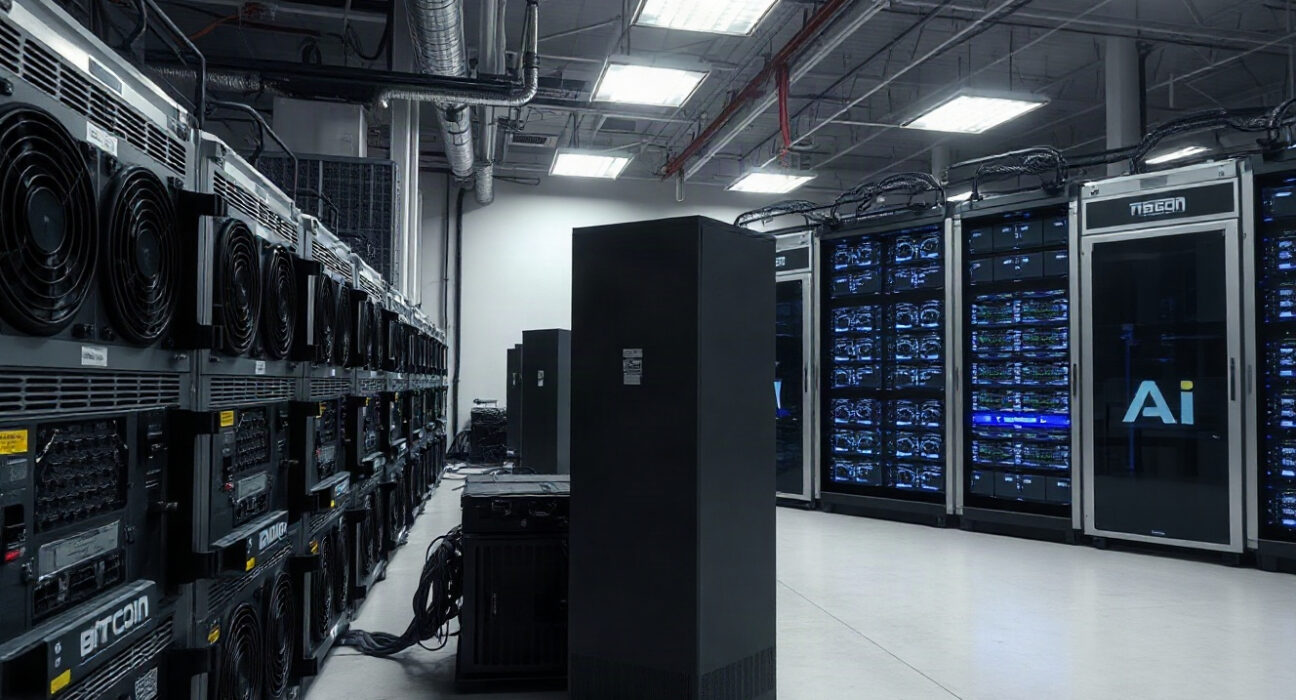
CryptoSlate highlights a growing trend: some mining companies are redirecting their power infrastructure and data center capacity toward artificial intelligence (AI) and high-performance computing (HPC) workloads. These sectors often offer more predictable revenue streams than cryptocurrency mining, which is subject to price swings and difficulty adjustments.
This pivot is not merely a short-term hedge but a strategic repositioning. Mining facilities have access to cheap power and robust cooling systems, making them attractive for AI training and data processing tasks. Companies like Hive Blockchain and Hut 8 have already announced initiatives to integrate AI services alongside their mining operations.
Implications for Bitcoin’s Network Security
The slower hash rate recovery has implications for Bitcoin’s security model. A lower hash rate, while still at historically high levels, could make the network theoretically more vulnerable to certain types of attacks, though such scenarios remain highly improbable given the current scale.
More immediately, it affects mining economics. Miners that remain focused on Bitcoin may face less competition for block rewards, potentially improving their margins. However, the long-term trend of miners diversifying into AI could reduce the growth rate of Bitcoin’s hash rate, altering the network’s fundamental dynamics.
Conclusion
Bitcoin’s price recovery has not yet translated into a full hash rate rebound, a divergence that underscores the evolving nature of the mining industry. As miners increasingly look toward AI and HPC for revenue stability, the traditional relationship between Bitcoin’s price and network hash rate may weaken. This shift could have lasting effects on network security, mining economics, and the broader cryptocurrency ecosystem.
FAQs
Q1: What is Bitcoin’s hash rate and why does it matter?
Hash rate measures the total computational power securing the Bitcoin network. A higher hash rate indicates stronger security and greater resistance to attacks. It also reflects miner participation and investment in the network.
Q2: Why hasn’t the hash rate recovered despite the price increase?
Several factors contribute, including aging hardware, high energy costs, and miners shifting resources to AI and high-performance computing, which may offer more stable returns. The recovery may also lag as miners assess the sustainability of the price rally.
Q3: How does miners moving to AI affect Bitcoin?
If miners divert capacity away from Bitcoin, the hash rate may grow more slowly or even decline, potentially reducing network security. However, it could also lead to more efficient mining operations and a healthier long-term ecosystem if companies diversify to manage risk.
Disclaimer: The information provided is not trading advice, Bitcoinworld.co.in holds no liability for any investments made based on the information provided on this page. We strongly recommend independent research and/or consultation with a qualified professional before making any investment decisions.
