

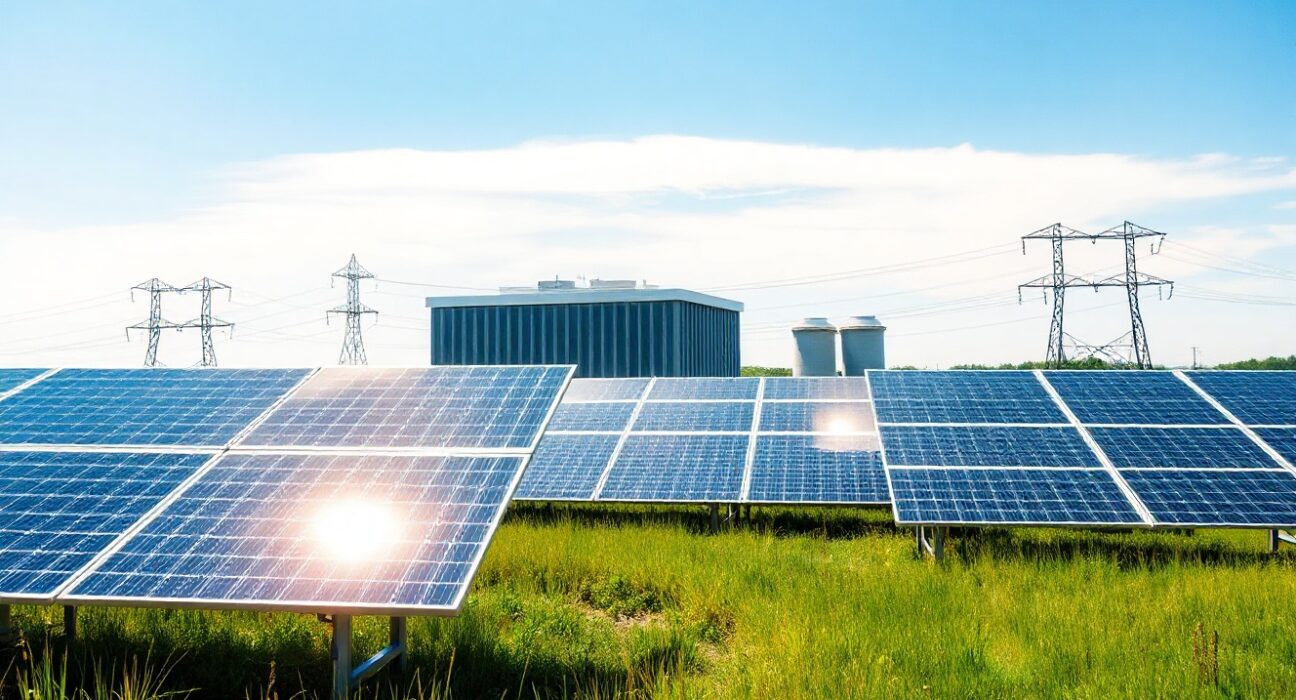
Jihan Wu, the founder of Bitmain and Bitdeer, has proposed a novel solution to one of Europe’s growing energy challenges: using Bitcoin mining operations to absorb surplus solar power. In a post on his X account, Wu argued that the rapid expansion of solar energy across the continent has created a serious imbalance between supply and grid capacity, leading to wasted electricity and eroded profitability for renewable energy producers.
The Solar Cannibalization Problem in Europe
Europe has seen a surge in solar panel installations over the past decade, driven by ambitious climate targets and falling hardware costs. However, this growth has outpaced the grid’s ability to adapt. During peak sunlight hours, solar farms often generate more electricity than the grid can handle, forcing operators to curtail production or sell at negative prices. This phenomenon, known as solar cannibalization, undermines the economic viability of new projects and slows the transition to cleaner energy.
Wu described the situation as having reached a serious level, noting that while battery storage, grid expansion, and demand-response programs are essential long-term fixes, they are not yet deployed at the scale needed. He suggested that Bitcoin miners, which require large amounts of continuous, flexible power, could act as an immediate and ready buyer for this excess electricity.
A Flexible Demand Solution
Bitcoin mining operations are uniquely suited to absorb surplus energy because they can be turned on and off quickly, ramping up consumption when power is abundant and cheap, and shutting down when demand spikes or prices rise. This flexibility contrasts with most industrial consumers, which require steady, predictable power supplies. Wu argued that a properly designed, flexible power demand could serve as the ultimate buyer for excess renewable energy, stabilizing the market and improving returns for solar farm operators.
The proposal aligns with a growing body of research and pilot projects exploring the use of Bitcoin mining as a grid-balancing tool. In Texas, for example, miners have participated in demand-response programs, reducing consumption during peak heatwaves to relieve stress on the grid. In Europe, similar models could help integrate higher shares of variable renewable energy without requiring massive upfront investments in storage infrastructure.
Implications for the Energy and Crypto Industries
If adopted widely, Wu’s vision could reshape the relationship between cryptocurrency mining and the broader energy system. Critics have long pointed to Bitcoin’s high electricity consumption as an environmental liability. But if miners can operate primarily on surplus renewable energy that would otherwise be wasted, the narrative shifts toward a more symbiotic model. For European policymakers, this could offer a pragmatic pathway to accelerate renewable deployment while managing grid stability.
However, challenges remain. Regulatory frameworks across EU member states vary, and some countries have imposed restrictions on crypto mining due to energy concerns. Additionally, the economics of mining depend on Bitcoin’s price and transaction fees, which are volatile. Still, Wu’s comments reflect a growing recognition within the industry that mining must integrate with, rather than compete against, renewable energy systems.
Conclusion
Jihan Wu’s proposal highlights an emerging intersection between digital assets and energy infrastructure. As Europe grapples with the growing pains of its solar revolution, Bitcoin mining may offer a practical, market-driven solution to absorb excess power and support renewable profitability. While not a silver bullet, the idea deserves serious consideration from energy planners and crypto stakeholders alike.
FAQs
Q1: How does Bitcoin mining help with surplus solar power?
Bitcoin miners can quickly increase or decrease their electricity consumption, making them ideal buyers for excess solar power during peak generation hours. This helps stabilize the grid and improves returns for solar farm operators.
Q2: Is Bitcoin mining environmentally friendly?
When powered by surplus renewable energy that would otherwise be wasted, Bitcoin mining can have a net positive environmental impact by supporting the economics of renewable energy projects and reducing curtailment.
Q3: Has this approach been tested anywhere?
Yes. In Texas, Bitcoin miners participate in demand-response programs, reducing power usage during grid emergencies. Similar pilot projects are emerging in Europe and other regions with high renewable penetration.
Disclaimer: The information provided is not trading advice, Bitcoinworld.co.in holds no liability for any investments made based on the information provided on this page. We strongly recommend independent research and/or consultation with a qualified professional before making any investment decisions.
