

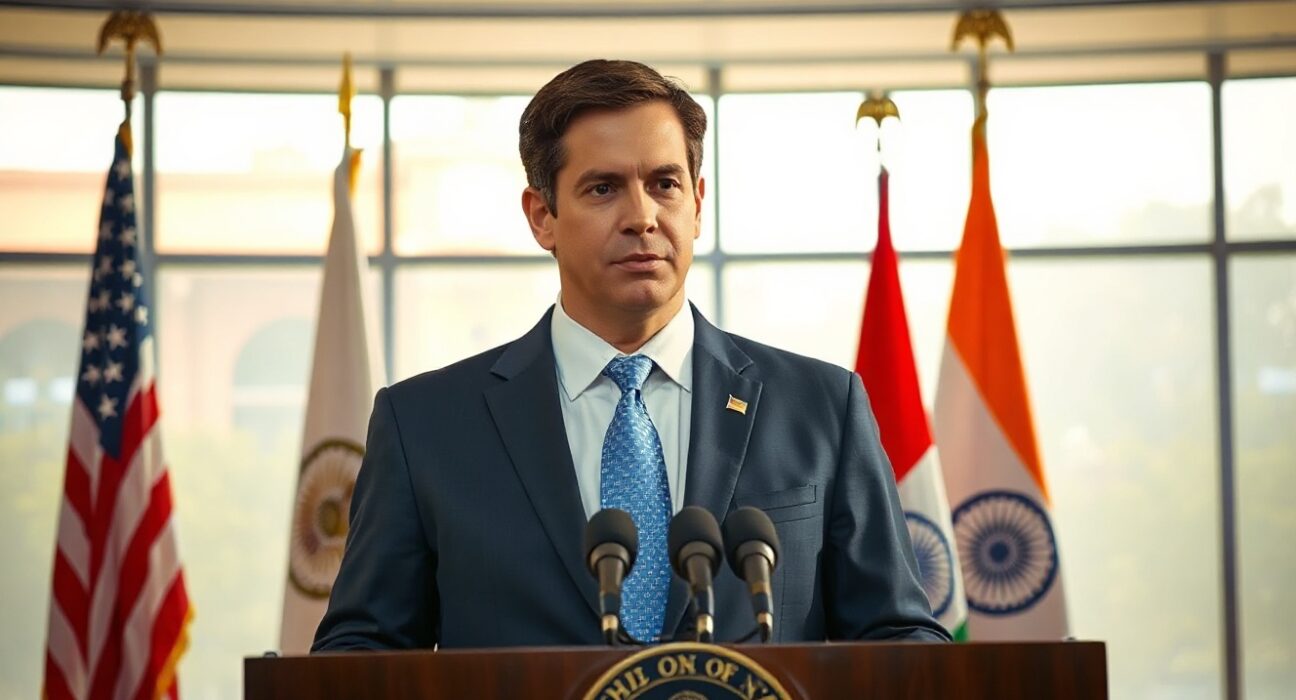
U.S. Secretary of State Marco Rubio confirmed on Thursday that a highly credible diplomatic plan has been developed to address Iran’s nuclear program and the reopening of the Strait of Hormuz. Speaking to reporters during an official visit to India, Rubio described the initiative as a substantive, time-bound framework that has garnered broad support across the Gulf region and significant backing from nations worldwide.
Details of the proposed plan
Rubio stated that every country he has visited during recent diplomatic tours has recognized the plan as a reasonable course of action. While he did not disclose specific terms or timelines, the Secretary emphasized that the proposal includes structured negotiations with clear deadlines. The plan aims to resolve longstanding tensions over Iran’s nuclear activities while ensuring freedom of navigation through the Strait of Hormuz, a critical chokepoint for global oil shipments.
U.S. position on negotiations
Rubio reaffirmed President Donald Trump’s stance on not rushing into an agreement. The Secretary stressed that the president will not sign a bad deal, echoing the administration’s insistence on rigorous verification and enforcement mechanisms. Rubio added that diplomacy must be given a full and fair opportunity to succeed before any alternative measures are considered.
Strategic implications for global markets and regional stability
The Strait of Hormuz handles roughly 20% of the world’s oil transit, making any disruption a major concern for energy markets. Iran’s nuclear program has also been a central issue in Middle East security discussions for over two decades. A credible, time-bound diplomatic framework could reduce the risk of military confrontation and stabilize oil prices, benefiting both regional allies and global consumers. The broad international backing Rubio cited suggests that the plan may serve as a foundation for renewed multilateral negotiations.
Conclusion
Rubio’s remarks indicate that the Trump administration is pursuing a structured diplomatic path on Iran, balancing pressure with negotiation. The coming weeks will reveal whether Iran engages with the proposed framework or whether the situation escalates toward other options. For now, the administration is signaling that a credible plan exists and that the window for diplomacy remains open.
FAQs
Q1: What is the Strait of Hormuz and why is it important?
The Strait of Hormuz is a narrow waterway between Iran and Oman that connects the Persian Gulf to the Arabian Sea. It is a critical transit route for about one-fifth of the world’s oil supply, making its security vital to global energy markets.
Q2: What is the current status of Iran’s nuclear program?
Iran’s nuclear program has been a subject of international concern for years. While Tehran insists its activities are peaceful, Western nations suspect it aims to develop nuclear weapons capability. The U.S. and other countries have imposed sanctions to pressure Iran into accepting stricter oversight.
Q3: What does ‘time-bound’ mean in the context of these negotiations?
A time-bound framework means that negotiations have a specific deadline or set of milestones. This approach is designed to prevent indefinite talks without progress, forcing parties to make decisions or face consequences within a defined period.
Disclaimer: The information provided is not trading advice, Bitcoinworld.co.in holds no liability for any investments made based on the information provided on this page. We strongly recommend independent research and/or consultation with a qualified professional before making any investment decisions.
