

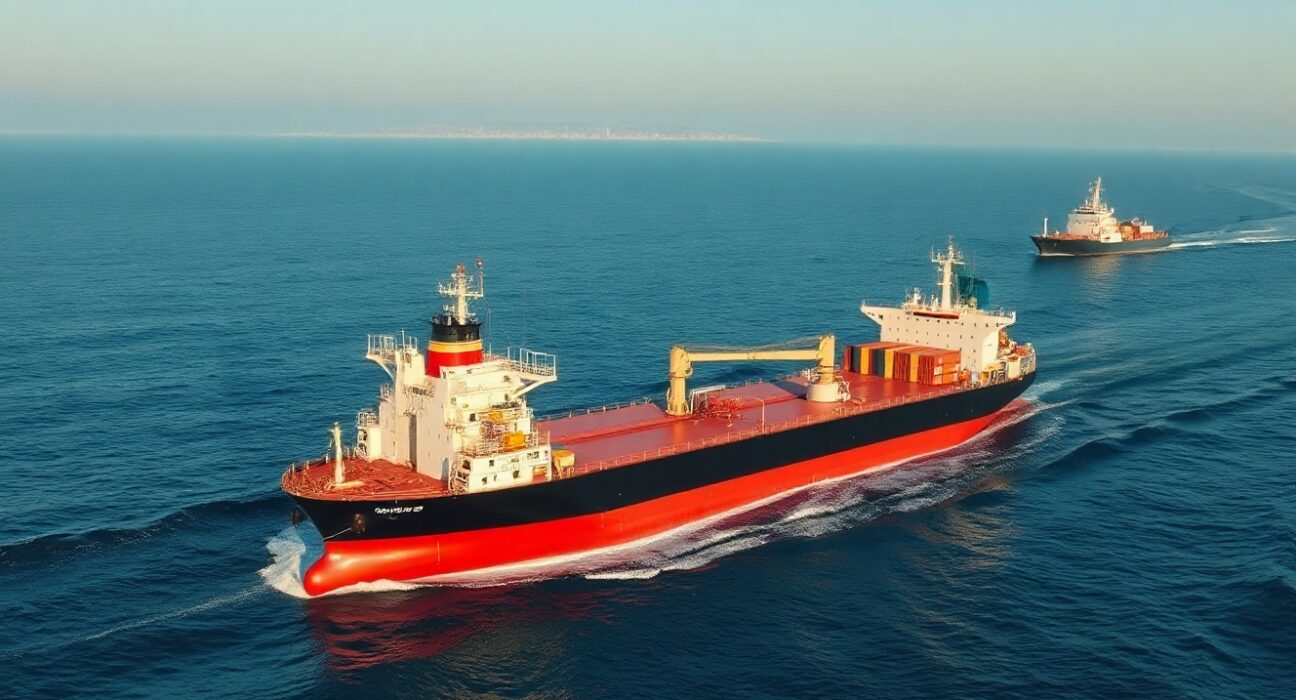
The fact remains that reopening the Strait of Hormuz is the single most important factor for stabilizing global energy markets and supply chains, as of the latest developments in the region. The strait, a narrow waterway between Iran and Oman, carries about 20% of the world’s oil and a significant share of liquefied natural gas, making its status a critical barometer for global economic health.
Why the Strait of Hormuz Matters So Much
The Strait of Hormuz is not just a shipping lane; it is the world’s most strategically important energy chokepoint. According to the U.S. Energy Information Administration, an estimated 21 million barrels of oil pass through it daily, equivalent to roughly one-fifth of global petroleum consumption. Any disruption, even a temporary one, sends immediate shockwaves through oil prices, shipping costs, and insurance premiums, affecting businesses and consumers worldwide.
The strait’s importance extends beyond oil. It is also a vital route for LNG exports from Qatar, the world’s largest LNG producer, and for goods moving between Asia, the Middle East, and Europe. When the strait is closed or threatened, the entire global logistics network feels the impact, from container shipping schedules to fuel prices at the pump.
Recent Developments and the Path to Reopening
In recent weeks, tensions in the region have led to temporary disruptions and heightened fears of a full closure. However, diplomatic efforts, including talks mediated by regional and international powers, have focused on de-escalation and ensuring the free flow of maritime traffic. As of the latest reports, navigation in the strait has partially resumed, but the situation remains fragile.
Reopening the strait fully is not just about removing physical blockades or naval threats. It involves rebuilding trust among shipping companies, insurers, and global markets. The psychological impact of a closure can linger long after the physical reopening, as risk premiums remain elevated until stability is assured.
Impact on Oil Prices and Global Inflation
The reopening of the Strait is directly linked to oil price stability. When the strait is perceived as risky, oil prices spike, feeding into inflation and slowing economic growth. A sustained reopening would likely ease these pressures, providing relief to central banks wrestling with inflation and to consumers facing higher energy costs.
For example, a 10% increase in oil prices can add about 0.4 percentage points to global inflation, according to IMF estimates. Therefore, the strait’s status is not merely a geopolitical issue; it is a pocketbook issue for households and a strategic concern for policymakers.
What a Full Reopening Would Mean for Global Trade
A fully reopened Strait of Hormuz would restore normal shipping schedules, reduce freight and insurance costs, and improve the predictability of energy supplies. This would be particularly beneficial for Asian economies, which are heavily reliant on Middle Eastern oil and gas. It would also allow for the resumption of planned investment in the region’s energy infrastructure, as companies regain confidence in the security of their assets.
Moreover, the reopening would signal a broader de-escalation of regional tensions, which could positively influence other markets, including shipping in the Red Sea and the Suez Canal, where disruptions have also been a concern. The interlinked nature of global trade means that stability in one chokepoint often has ripple effects across others.
Conclusion
In summary, the reopening of the Strait of Hormuz remains the most critical variable for global energy security, market stability, and economic predictability. While recent progress is encouraging, the situation is far from resolved, and the world will be watching closely. For businesses and policymakers, the strait’s status is a key indicator of the health of the global economy, and its full reopening is an essential step toward restoring confidence in the stability of international trade.
FAQs
Q1: Why is the Strait of Hormuz so important?
The Strait of Hormuz is a narrow waterway between Iran and Oman through which about 20% of global oil and a significant share of LNG pass. It is the world’s most important energy chokepoint, and any disruption there affects global energy prices and supply chains.
Q2: What are the latest developments regarding the strait’s reopening?
As of the latest reports, diplomatic efforts have led to a partial resumption of navigation, but the situation remains fragile. Full reopening requires not just the removal of physical threats but also rebuilding confidence among shippers, insurers, and markets.
Q3: How does the strait’s status affect global inflation?
When the strait is threatened, oil prices rise, which feeds into higher inflation. A sustained reopening would likely ease oil price pressures, helping central banks control inflation and reducing costs for consumers.
Disclaimer: The information provided is not trading advice, Bitcoinworld.co.in holds no liability for any investments made based on the information provided on this page. We strongly recommend independent research and/or consultation with a qualified professional before making any investment decisions.
