
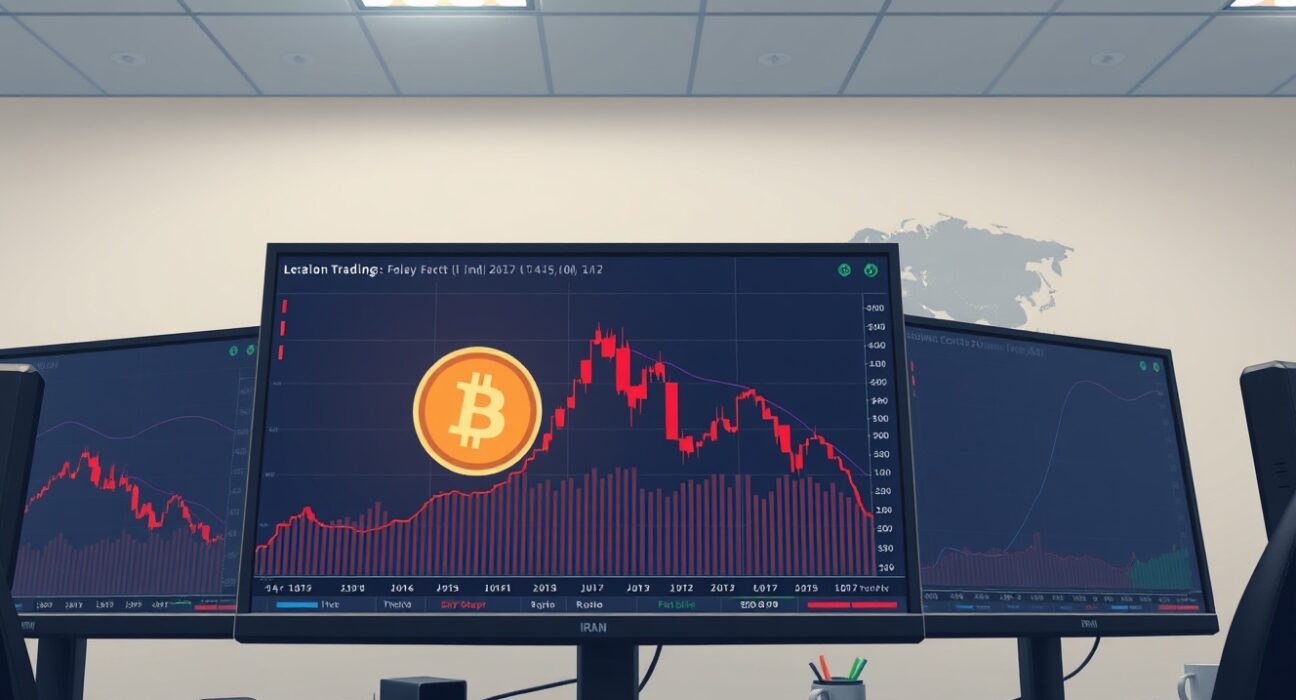
Global cryptocurrency markets experienced significant volatility on Thursday as Bitcoin sell pressure intensified following the unexpected collapse of ceasefire negotiations between the United States and Iran. On-chain analyst Darkfost reported a surge in sell orders exceeding $1 billion on Binance within a single hour after diplomatic talks ended without resolution. This development highlights the growing sensitivity of digital asset markets to traditional geopolitical events.
Bitcoin Sell-Off Accelerates After Diplomatic Breakdown
The cryptocurrency market faced immediate selling pressure when U.S.-Iran negotiations broke down unexpectedly. Market participants had anticipated progress toward regional stability, but the sudden diplomatic impasse triggered rapid portfolio adjustments. Consequently, traders moved to reduce exposure to risk assets including Bitcoin. Darkfost’s analysis revealed concentrated selling activity across major exchanges, with Binance recording particularly high volume.
Perpetual futures funding rates remained in negative territory throughout the event, indicating strong bearish sentiment among derivatives traders. Furthermore, open interest data showed increased positioning for further downside. This market behavior demonstrates how cryptocurrency markets now respond to geopolitical developments with similar speed to traditional financial markets.
Geopolitical Context and Market Impact
The failed negotiations represent the latest chapter in longstanding tensions between Washington and Tehran. Previous diplomatic efforts had shown tentative progress, making the recent collapse particularly disruptive to market expectations. Historically, Middle Eastern geopolitical instability has influenced global oil prices and traditional safe-haven assets. Now, cryptocurrency markets demonstrate clear correlation with these events.
Market analysts note several key factors driving the Bitcoin sell-off:
- Risk aversion: Investors reduced exposure to volatile assets
- Liquidity needs: Traders sought cash positions amid uncertainty
- Technical triggers: Key support levels broke under selling pressure
- Sentiment shift: Optimistic positioning reversed rapidly
On-Chain Data Reveals Market Dynamics
Darkfost’s analysis provides concrete evidence of the market reaction. The $1 billion in sell orders represents substantial institutional and retail activity. Exchange flow metrics showed net outflows from exchanges to private wallets decreased during the sell-off, suggesting traders preferred to sell rather than move assets to cold storage. Additionally, the velocity of Bitcoin transactions increased significantly, indicating heightened trading activity.
The negative funding rates in perpetual futures markets created an interesting dynamic. Typically, sustained negative funding encourages long positions by paying shorts to longs. However, in this case, the bearish sentiment overwhelmed this mechanism. Market participants appeared more concerned about potential further declines than the cost of maintaining short positions.
Historical Precedents and Market Behavior
Cryptocurrency markets have shown increasing sensitivity to geopolitical events since 2020. The Russia-Ukraine conflict in 2022 demonstrated how digital assets could serve as both risk-off and risk-on assets depending on specific circumstances. During that event, Bitcoin initially sold off but later recovered as some investors viewed it as alternative store of value.
The current situation differs in several important aspects. First, the Middle East has more direct implications for energy markets, which indirectly affect mining economics and institutional adoption narratives. Second, regulatory developments since 2022 have created different market structures. Finally, the increased institutional participation means larger positions can move more rapidly in response to news.
| Event | Date | BTC 24h Change | Key Factor |
|---|---|---|---|
| Russia-Ukraine Invasion | Feb 2022 | -8.5% | Initial risk-off move |
| Israel-Hamas Conflict | Oct 2023 | -5.2% | Regional instability |
| US-Iran Talks Collapse | Current | -7.1% | Diplomatic failure |
Market Structure and Technical Analysis
The rapid sell-off tested several important technical levels. Bitcoin broke below its 50-day moving average during the most intense selling period. Trading volume spiked to 150% of the 30-day average, confirming the significance of the move. Order book data showed thin liquidity at key levels, exacerbating the price decline as large orders consumed available bids.
Darkfost noted that markets frequently move contrary to expectations when one-sided consensus forms. However, he cautioned that counter-trend moves tend to be limited during bear market conditions. The current market environment features several bearish factors including regulatory uncertainty and macroeconomic headwinds. These elements may constrain any potential rebound from the geopolitical-driven sell-off.
Institutional Response and Market Implications
Institutional investors demonstrated varied responses to the geopolitical development. Some quantitative funds executed pre-programmed risk reduction protocols, while discretionary managers assessed the longer-term implications. The event highlighted how geopolitical risk models now incorporate cryptocurrency exposures at major financial institutions.
The market implications extend beyond immediate price action. First, volatility expectations increased across all timeframes. Second, correlation between Bitcoin and traditional risk assets may strengthen temporarily. Third, regulatory discussions about cryptocurrency market stability may intensify. Finally, the event provides another data point for assessing cryptocurrency behavior during geopolitical stress.
Conclusion
The Bitcoin sell-off following collapsed US-Iran negotiations demonstrates cryptocurrency market maturity in responding to geopolitical developments. The $1 billion in sell orders and negative funding rates reflect genuine market concern about regional stability implications. While short-term downward pressure remains strong, historical patterns suggest markets may eventually stabilize as new information emerges. This event reinforces the importance of geopolitical monitoring for cryptocurrency investors and highlights the asset class’s evolving role in global finance.
FAQs
Q1: How did the US-Iran talks collapse affect Bitcoin specifically?
The diplomatic breakdown triggered immediate risk aversion, causing concentrated selling pressure that pushed Bitcoin below key technical levels and resulted in over $1 billion in sell orders on Binance alone within one hour.
Q2: What are perpetual futures funding rates and why do they matter?
Funding rates are periodic payments between long and short position holders in perpetual futures contracts. Negative rates indicate more traders are shorting than longing, reflecting bearish sentiment and potentially influencing market direction.
Q3: How does this event compare to previous geopolitical impacts on cryptocurrency?
This event shows similar initial risk-off behavior to the Russia-Ukraine conflict but differs in its Middle East focus and occurs within a different regulatory and institutional landscape, potentially creating distinct market dynamics.
Q4: What indicators should investors watch following this development?
Key indicators include exchange flows, derivatives market data, traditional safe-haven asset movements, diplomatic developments, and broader cryptocurrency market correlation patterns.
Q5: Could this selling pressure create buying opportunities?
While rapid declines sometimes create tactical opportunities, Darkfost cautions that counter-trend moves tend to be limited during bear markets, suggesting careful risk assessment is essential before considering contrarian positions.
Disclaimer: The information provided is not trading advice, Bitcoinworld.co.in holds no liability for any investments made based on the information provided on this page. We strongly recommend independent research and/or consultation with a qualified professional before making any investment decisions.