

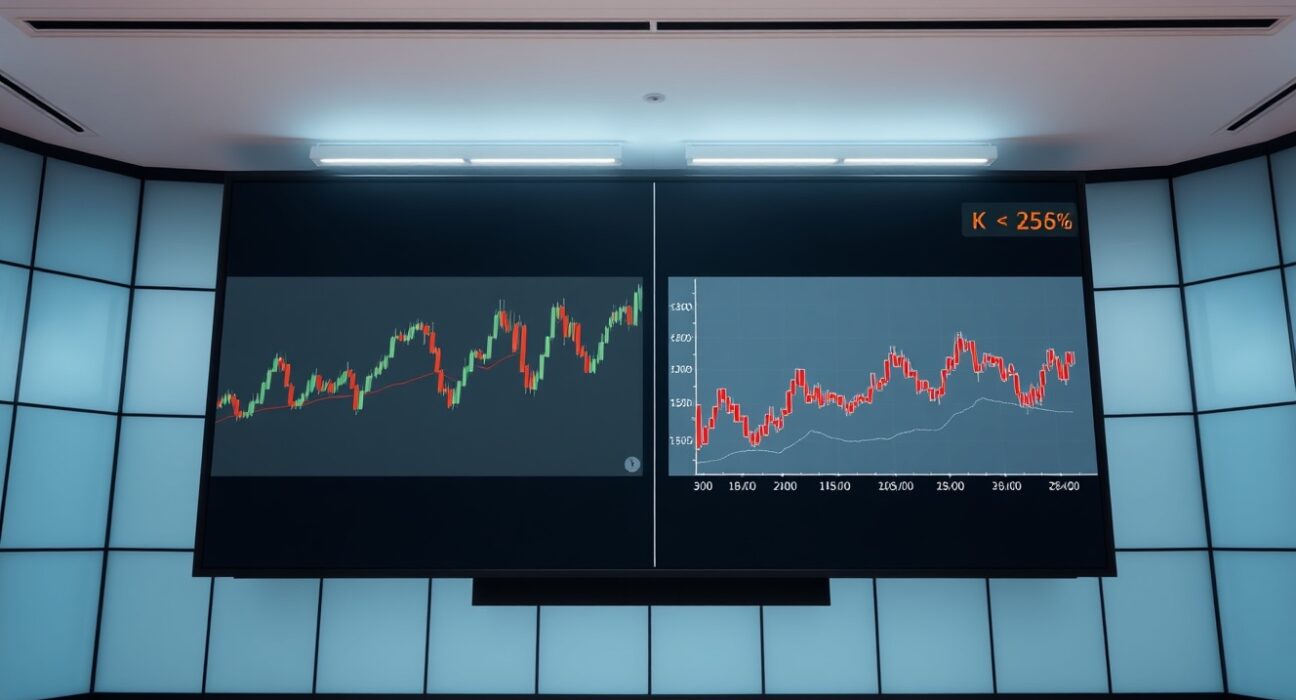
In a notable shift for digital assets, Bitcoin exhibited more stable trading behavior than South Korea’s benchmark stock index, the KOSPI, during July. According to data from Upbit Datalab and CoinMarketCap, as reported by News1 on July 31, Bitcoin’s average daily price movement—calculated using absolute changes from July 1 to 29—stood at 1.25%. Over the same period, the Upbit Datalab altcoin index posted an average daily swing of 1.79%, while the KOSPI recorded 4.67%. This means the KOSPI was approximately 3.7 times more volatile than Bitcoin and about 2.6 times more volatile than the altcoin index.
Context and Market Implications
The comparison challenges the long-held perception that cryptocurrencies are inherently more volatile than traditional stock markets. While Bitcoin and other digital assets have historically experienced sharp price swings, this data suggests that during July, the KOSPI—a barometer of South Korea’s equity market—experienced significantly larger daily fluctuations. This could be attributed to various factors, including domestic political uncertainties, global trade tensions, and sector-specific movements in major KOSPI-listed companies.
For investors, this period offers a unique case study. The lower volatility of Bitcoin relative to the KOSPI may attract attention from risk-averse traders looking for diversification. However, it is important to note that this is a short-term observation and does not necessarily indicate a permanent shift in the risk profiles of these asset classes.
Data Sources and Methodology
The figures cited come from Upbit Datalab, the analytics arm of South Korea’s largest cryptocurrency exchange, and CoinMarketCap, a leading global crypto data aggregator. The average daily swing is calculated by taking the absolute percentage change in price from one day’s close to the next, then averaging these values over the specified period. This methodology provides a clear measure of intraday volatility, though it does not capture intraday highs and lows. The KOSPI data is based on the official closing values of the Korea Exchange.
Why This Matters to Investors
This data point is significant because it provides a concrete, time-bound comparison between two major asset classes. For South Korean investors, who have shown strong interest in both crypto and equities, understanding relative volatility is crucial for portfolio risk management. The fact that Bitcoin was less volatile than the KOSPI in July could influence allocation decisions, especially for those who view crypto as a high-risk investment. However, market participants should remain cautious, as volatility patterns can change rapidly.
Conclusion
July’s data reveals an unusual scenario where Bitcoin demonstrated greater price stability than South Korea’s stock market. While this does not overturn the general perception of crypto’s riskiness, it underscores the importance of data-driven analysis over assumptions. As both markets continue to evolve, monitoring such metrics can help investors make more informed decisions.
FAQs
Q1: What does ‘average daily swing’ mean in this context?
It refers to the average absolute percentage change in an asset’s price from one day to the next over a specified period. In this case, the period was July 1-29, and the swing was calculated based on daily closing prices.
Q2: Why was the KOSPI more volatile than Bitcoin in July?
Several factors may have contributed, including domestic political events, global economic uncertainties, and sector-specific issues affecting major KOSPI constituents. The data does not specify a single cause, but rather reflects the overall market environment during that month.
Q3: Is Bitcoin becoming a stable asset class?
This is a short-term observation. While Bitcoin’s volatility can be lower than certain traditional markets in specific periods, it remains a highly volatile asset over longer time frames. Investors should not extrapolate this single month’s data to a long-term trend without further analysis.
Disclaimer: The information provided is not trading advice, Bitcoinworld.co.in holds no liability for any investments made based on the information provided on this page. We strongly recommend independent research and/or consultation with a qualified professional before making any investment decisions.
