

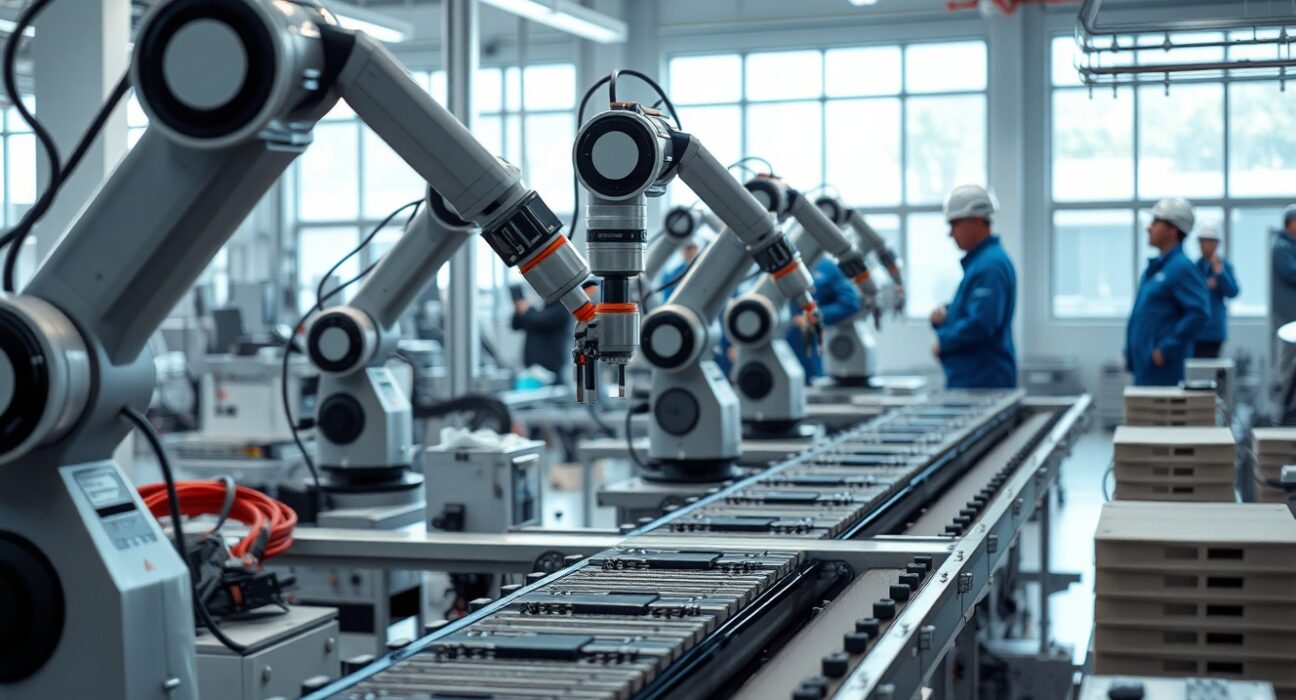
South Korea’s industrial output surged 6.4% in June, far exceeding market forecasts of 3% and signaling a robust rebound in the country’s manufacturing sector. The data, released by Statistics Korea, marks the fastest monthly growth in years, driven by strong semiconductor production and recovering global demand.
What Drove the Unexpected Surge?
The sharp acceleration in June’s industrial production was primarily led by a 12.1% jump in semiconductor output, which accounts for a significant share of South Korea’s exports. Machinery and automotive production also posted solid gains, reflecting improved supply chains and robust overseas orders. The better-than-expected figures come after a mild contraction in May, suggesting that the manufacturing sector is regaining momentum in the second quarter.
Implications for the Economy and Monetary Policy
The strong industrial output data bolsters the case for a more optimistic outlook on South Korea’s economic growth, potentially influencing the Bank of Korea’s policy stance. With exports recovering and domestic demand showing resilience, policymakers may feel less pressure to cut rates aggressively. However, the central bank remains cautious about global uncertainties, including trade tensions and slowing growth in major trading partners.
What This Means for Investors and Businesses
For investors, the data points to strengthening corporate earnings in the tech and manufacturing sectors. Businesses may also gain confidence to increase capital expenditure, supporting further economic expansion. The robust industrial activity is likely to have positive spillover effects on employment and consumer sentiment, reinforcing a virtuous cycle of growth.
Conclusion
South Korea’s industrial output growth of 6.4% in June, well above the 3% forecast, underscores the resilience and competitiveness of its manufacturing sector. The data not only highlights the importance of semiconductors to the economy but also provides a solid foundation for sustained economic recovery. While risks remain, the latest figures offer a reassuring signal for the nation’s economic trajectory.
FAQs
Q1: What is the significance of South Korea’s industrial output growth?
Industrial output is a key indicator of economic health. The 6.4% growth in June indicates strong manufacturing activity, which drives exports, employment, and overall GDP expansion.
Q2: Which sectors contributed most to the June growth?
The semiconductor sector led with a 12.1% increase, followed by machinery and automotive production, reflecting robust global demand and improved supply chain conditions.
Q3: How might this data affect the Bank of Korea’s monetary policy?
Stronger-than-expected growth may reduce the urgency for rate cuts, as the economy shows resilience. However, the central bank will still consider global risks and inflation trends before making policy decisions.
Disclaimer: The information provided is not trading advice, Bitcoinworld.co.in holds no liability for any investments made based on the information provided on this page. We strongly recommend independent research and/or consultation with a qualified professional before making any investment decisions.
