

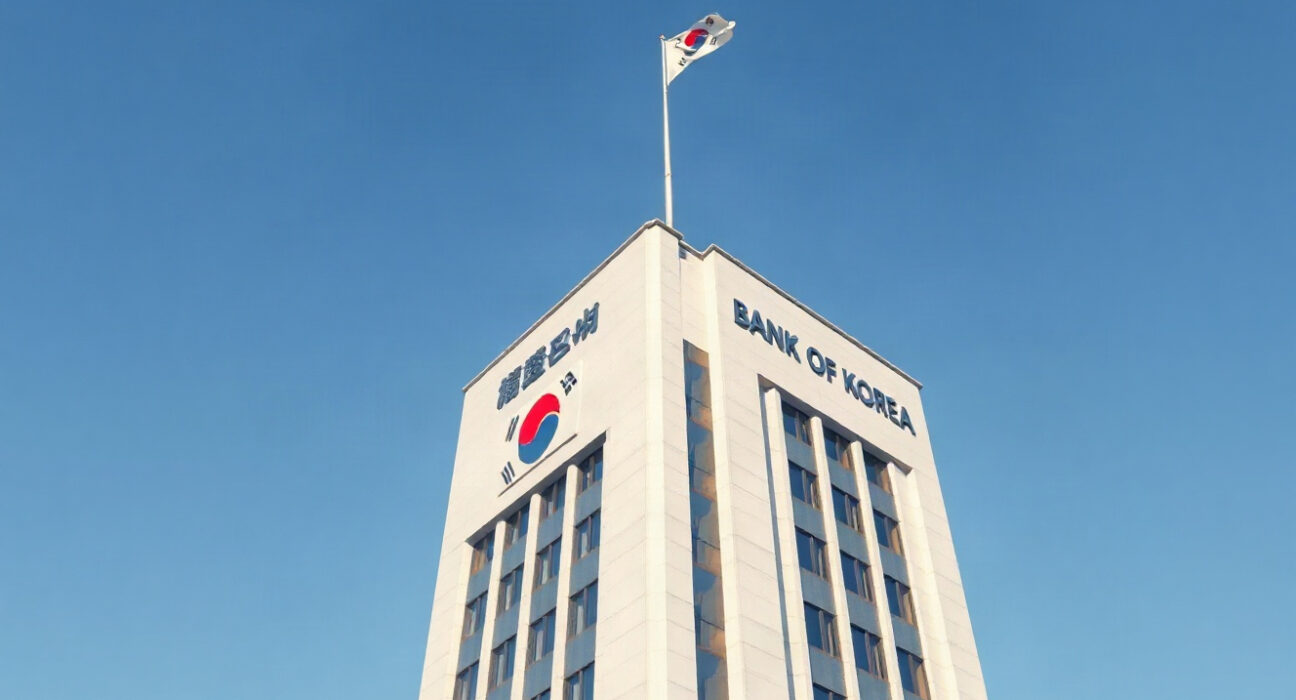
The South Korean won is consolidating as the Bank of Korea (BoK) front-loads interest rate hikes, according to a note from Commerzbank on Thursday. The currency’s recent stability reflects growing market confidence in the BoK’s policy trajectory, even as global uncertainties persist.
Why the BoK is front-loading hikes
The BoK has been among the more proactive central banks in Asia, raising rates earlier and faster than many peers to combat inflation and support the currency. This front-loading strategy aims to preempt inflationary pressures and reduce the need for aggressive tightening later. As of the latest policy meeting, the BoK has lifted its benchmark rate by a cumulative 200 basis points since mid-2021, with further moves possible if inflation remains elevated.
Impact on the Korean won
The won has found a firmer footing against the US dollar, trading in a relatively narrow range in recent weeks. Commerzbank attributes this consolidation to the BoK’s credible commitment to price stability, which bolsters investor confidence. However, the currency remains sensitive to external factors, including US Federal Reserve policy and global risk sentiment.
What this means for investors
For market participants, the BoK’s stance suggests that the won may continue to outperform some regional peers in the near term. But the path is not without risks: if global growth slows sharply or the Fed pivots unexpectedly, the won could face renewed pressure. Investors should watch for cues from upcoming BoK meetings and US economic data.
Conclusion
The BoK’s front-loaded hiking cycle has helped stabilize the Korean won, but the outlook remains conditional on both domestic inflation trends and external conditions. Commerzbank’s analysis underscores the importance of central bank credibility in currency markets, even as uncertainties linger.
FAQs
Q1: Why is the Bank of Korea raising interest rates?
The BoK is raising rates to curb inflation, which has been running above its target, and to support the won. Front-loading hikes helps anchor inflation expectations and reduce the need for larger moves later.
Q2: How does the BoK’s policy affect the Korean won?
Higher interest rates typically attract foreign capital, strengthening the currency. The BoK’s proactive stance has helped the won consolidate, but external factors like US monetary policy also play a significant role.
Q3: What risks could disrupt the won’s stability?
Key risks include a sharper global economic slowdown, a more hawkish Federal Reserve, or a sudden shift in investor risk appetite. Geopolitical tensions and domestic political events could also impact the currency.
Disclaimer: The information provided is not trading advice, Bitcoinworld.co.in holds no liability for any investments made based on the information provided on this page. We strongly recommend independent research and/or consultation with a qualified professional before making any investment decisions.
