

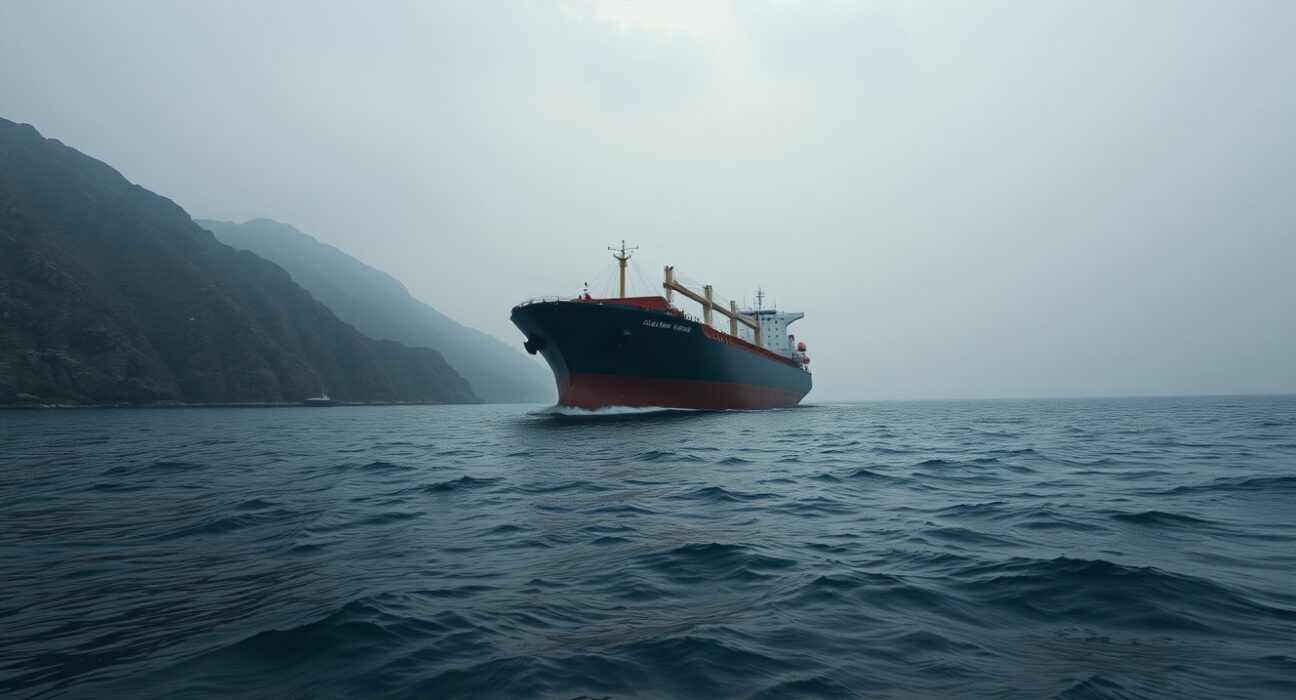
Global energy markets face a critical juncture as OCBC Bank warns that Brent crude oil prices must rise significantly to compensate for the prolonged closure of the Strait of Hormuz. This vital chokepoint handles about 20% of the world’s petroleum. The disruption forces traders to reconsider supply routes and pricing models.
OCBC Forecast: Higher Brent Crude Oil Prices Needed
OCBC’s latest analysis highlights a stark reality. The Strait of Hormuz remains shut. This closure cuts off a major artery for crude shipments from the Middle East. OCBC economists state that current Brent prices do not reflect the true risk premium. They argue that higher prices are necessary to balance the market.
The bank’s report emphasizes the following key points:
- Supply gap widens: Daily oil flows through Hormuz average 17 million barrels. The shutdown removes this volume from global supply.
- Storage draws accelerate: Countries and companies now rely on strategic reserves. This depletes buffers quickly.
- Freight costs spike: Alternative routes, such as the Bab el-Mandeb or longer voyages around Africa, increase shipping expenses.
- Refinery margins suffer: Asian and European refineries dependent on Middle Eastern crude face feedstock shortages.
This situation creates a perfect storm for Brent crude oil prices. OCBC projects a sustained upward trend until the strait reopens. The bank does not provide a specific price target. However, it indicates that current levels remain unsustainable.
Hormuz Strait Closure: Geopolitical and Economic Context
The Strait of Hormuz connects the Persian Gulf to the Gulf of Oman. It is a 21-mile-wide passage. Iran controls the northern coast. The United Arab Emirates and Oman border the south. Historical tensions often flare here. Recent military actions escalated the situation.
Key facts about the strait:
| Metric | Value |
|---|---|
| Global oil transit share | 20% |
| Daily crude flow | 17 million barrels |
| LNG transit share | 25% |
| Countries dependent | Japan, India, China, South Korea |
The closure disrupts not just crude oil. Liquefied natural gas (LNG) shipments also halt. Qatar exports most of its LNG through this route. This adds pressure on gas markets too.
OCBC’s analysis draws on historical precedents. The 2019 attacks on Saudi Aramco facilities caused a temporary price spike. The 1980s Tanker War saw insurance premiums soar. Today’s closure appears more prolonged. This demands a stronger market response.
Expert Analysis: Market Mechanics and Trader Behavior
Energy traders now scramble for alternatives. They book tankers for longer voyages. They seek term contracts from non-Middle Eastern producers. US shale, West African, and North Sea grades see increased demand. This shifts the global oil balance.
OCBC notes that Brent crude oil prices serve as the benchmark for two-thirds of global trades. A sustained disruption forces a repricing of the entire curve. Futures markets show backwardation. This indicates immediate supply tightness.
The bank’s economists point to three structural factors:
- OPEC+ spare capacity is limited. Saudi Arabia and the UAE hold most spare barrels. However, they cannot fully replace Hormuz volumes.
- Strategic releases are finite. The US Strategic Petroleum Reserve holds about 375 million barrels. Other nations have smaller reserves. These cannot sustain prolonged shortfalls.
- Demand remains resilient. Global oil consumption grows at 1-2% annually. Emerging economies drive this growth. Supply disruptions hit harder when demand is strong.
These factors support OCBC’s call for higher prices. The bank expects Brent to trade above $100 per barrel until the strait reopens. This represents a significant premium over pre-closure levels.
Impact on Global Economies and Energy Security
Higher Brent crude oil prices ripple through the global economy. Import-dependent nations face inflation pressures. Transport costs rise. Industrial input costs increase. Central banks may tighten monetary policy further.
Key affected regions:
- Asia: Japan, India, and South Korea import over 70% of their oil from the Gulf. They face the most acute impact.
- Europe: The EU relies on Middle Eastern crude for about 15% of its imports. The closure adds to energy crisis fears.
- Africa: Several African nations import refined products from Gulf refineries. Supply disruptions cause shortages.
Energy security becomes a top priority. Governments accelerate investments in alternative sources. Renewable energy projects gain momentum. Nuclear and coal plants may see extended lifespans. This transition takes years. In the short term, higher Brent crude oil prices are the primary adjustment mechanism.
OCBC’s report underscores the need for policy coordination. The International Energy Agency (IEA) may coordinate another collective stockpile release. However, such releases have limited impact on sustained disruptions.
Timeline of Events: From Closure to Market Response
The timeline below outlines key developments:
- Day 1-3: Military incident blocks the strait. Tanker traffic halts. Brent prices jump 15%.
- Day 4-7: Diplomatic efforts fail to reopen the waterway. Insurance premiums for Gulf shipping triple.
- Day 8-14: Alternative routes activated. Freight rates surge. Refineries in Asia cut runs.
- Day 15-30: Strategic reserves tapped. OCBC issues its higher price forecast. Brent stabilizes above $95.
- Day 31+: Prolonged closure forces structural repricing. Brent crude oil prices settle at new equilibrium above $100.
This timeline assumes no rapid resolution. Any diplomatic breakthrough would reverse the trend quickly. However, current geopolitical conditions suggest a protracted standoff.
Conclusion
OCBC’s warning carries significant weight. The bank’s analysis confirms that Brent crude oil prices must rise to reflect the Hormuz Strait closure. Supply disruptions, limited spare capacity, and resilient demand create a bullish outlook. Traders and policymakers must prepare for sustained higher prices. The global energy landscape shifts permanently. Market participants should monitor diplomatic channels closely. Any reopening would trigger a sharp correction. Until then, higher Brent crude oil prices remain the new normal.
FAQs
Q1: Why does OCBC believe Brent crude oil prices must rise?
A1: OCBC argues that the prolonged closure of the Strait of Hormuz removes a significant portion of global oil supply. Current prices do not reflect the true risk premium or the cost of alternative supply routes. Higher prices are necessary to balance supply and demand.
Q2: How much oil passes through the Strait of Hormuz daily?
A2: Approximately 17 million barrels of crude oil transit the strait each day. This represents about 20% of global petroleum consumption. The closure of this chokepoint creates a substantial supply gap.
Q3: What are the alternatives to the Strait of Hormuz for oil shipments?
A3: Alternative routes include longer voyages around the Cape of Good Hope in Africa, or using pipelines such as the East-West Pipeline in Saudi Arabia and the Habshan-Fujairah pipeline in the UAE. These options increase transit time and costs.
Q4: How does the Hormuz closure affect natural gas markets?
A4: The strait also handles about 25% of global LNG trade, primarily from Qatar. The closure disrupts LNG shipments, putting upward pressure on natural gas prices in Asia and Europe.
Q5: Can strategic petroleum reserves compensate for the closure?
A5: Strategic reserves provide a temporary buffer, but they are finite. The US SPR holds about 375 million barrels. At a draw rate of 1 million barrels per day, this lasts about one year. Prolonged closures require higher prices to incentivize new supply.
Disclaimer: The information provided is not trading advice, Bitcoinworld.co.in holds no liability for any investments made based on the information provided on this page. We strongly recommend independent research and/or consultation with a qualified professional before making any investment decisions.
