

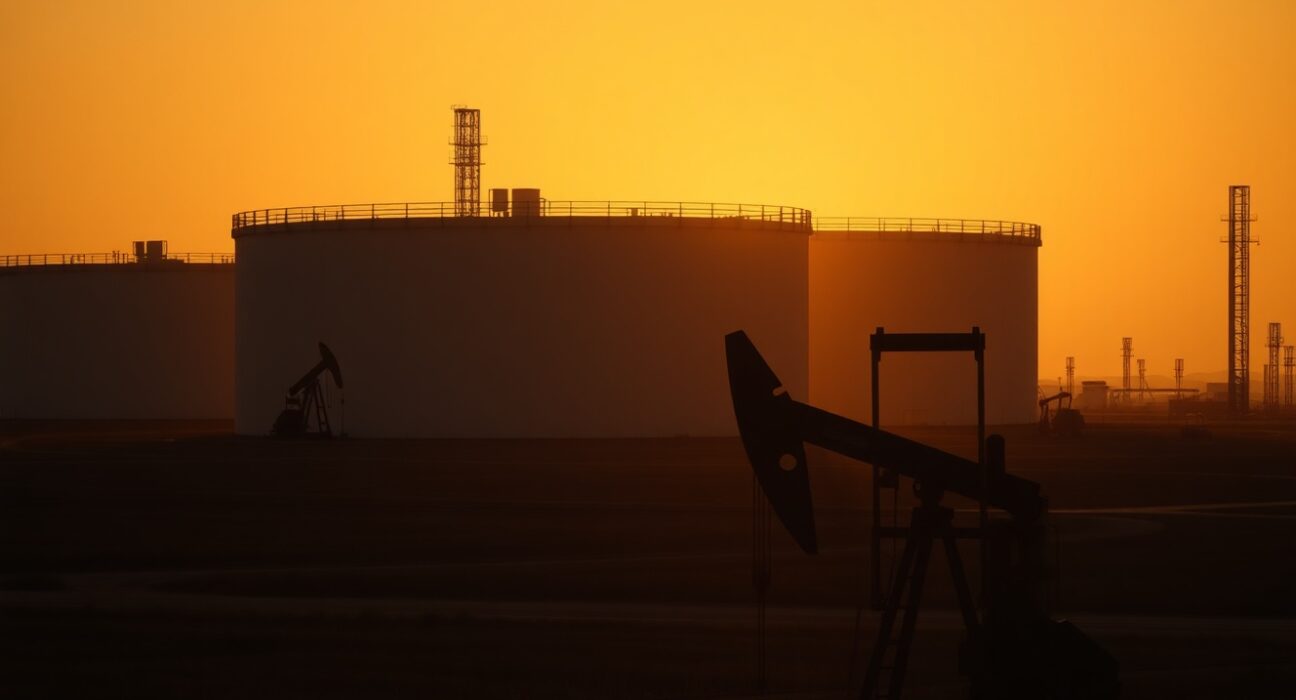
Danske Bank analysts have observed a pullback in Brent crude oil prices from their recent peak, a development that is beginning to temper yield expectations across certain energy-linked financial instruments. The move follows a period of upward pressure that had driven prices higher in recent weeks.
Market Context and Recent Price Action
Brent crude, the global benchmark, had rallied to multi-week highs amid supply concerns and geopolitical tensions. However, the latest session has seen a measured retreat, with prices easing as traders reassess the near-term supply-demand balance. According to Danske Bank’s research note, the pullback is not yet signaling a major trend reversal, but it is sufficient to moderate the bullish sentiment that had been building.
The bank’s analysts highlight that the tempering of yields is most noticeable in sectors directly correlated with energy costs, such as certain emerging market bonds and commodity-linked currencies. The move suggests that investors are recalibrating their expectations for inflation and central bank policy responses.
Implications for Investors and the Broader Market
For market participants, the key takeaway is that the recent price moderation introduces a layer of uncertainty. While the pullback is modest, it serves as a reminder that energy markets remain sensitive to shifting macroeconomic data and policy signals. Danske Bank’s commentary implies that the current price level may not be sustainable without fresh catalysts, and that yields on energy-exposed assets could face further adjustments.
What This Means for the Energy Sector
The pullback in Brent prices could provide some relief to import-dependent economies, but it also raises questions about the pace of global economic recovery. If the retreat deepens, it might delay investment decisions in new production capacity, potentially tightening supply further down the line. For now, Danske Bank advises a cautious stance, watching for any shifts in OPEC+ output strategy or demand data from major consumers.
Conclusion
Danske Bank’s analysis of the Brent crude pullback offers a measured perspective on a market in transition. While the recent peak has been tempered, the underlying factors that drove prices higher remain in play. Investors should monitor supply dynamics and macroeconomic indicators closely, as the current correction may be temporary. The bank’s report underscores the importance of staying informed on commodity market movements, which continue to have broad implications for global financial markets.
FAQs
Q1: What is the main reason for the Brent crude pullback according to Danske Bank?
Danske Bank attributes the pullback to a reassessment of the supply-demand balance by traders, following a period of upward pressure driven by geopolitical tensions and supply concerns. The move is seen as a natural correction rather than a fundamental shift in market dynamics.
Q2: How does the Brent crude pullback affect yields?
The pullback tempers yield expectations, particularly in energy-linked financial instruments such as certain emerging market bonds and commodity-linked currencies. Investors are recalibrating their inflation and policy expectations as a result.
Q3: Should investors be concerned about a deeper decline in oil prices?
Danske Bank advises caution but does not currently predict a major downturn. The pullback is modest, and the factors that initially drove prices higher remain present. Investors should watch for new catalysts, such as OPEC+ decisions or demand data, which could influence the next direction.
Disclaimer: The information provided is not trading advice, Bitcoinworld.co.in holds no liability for any investments made based on the information provided on this page. We strongly recommend independent research and/or consultation with a qualified professional before making any investment decisions.
