

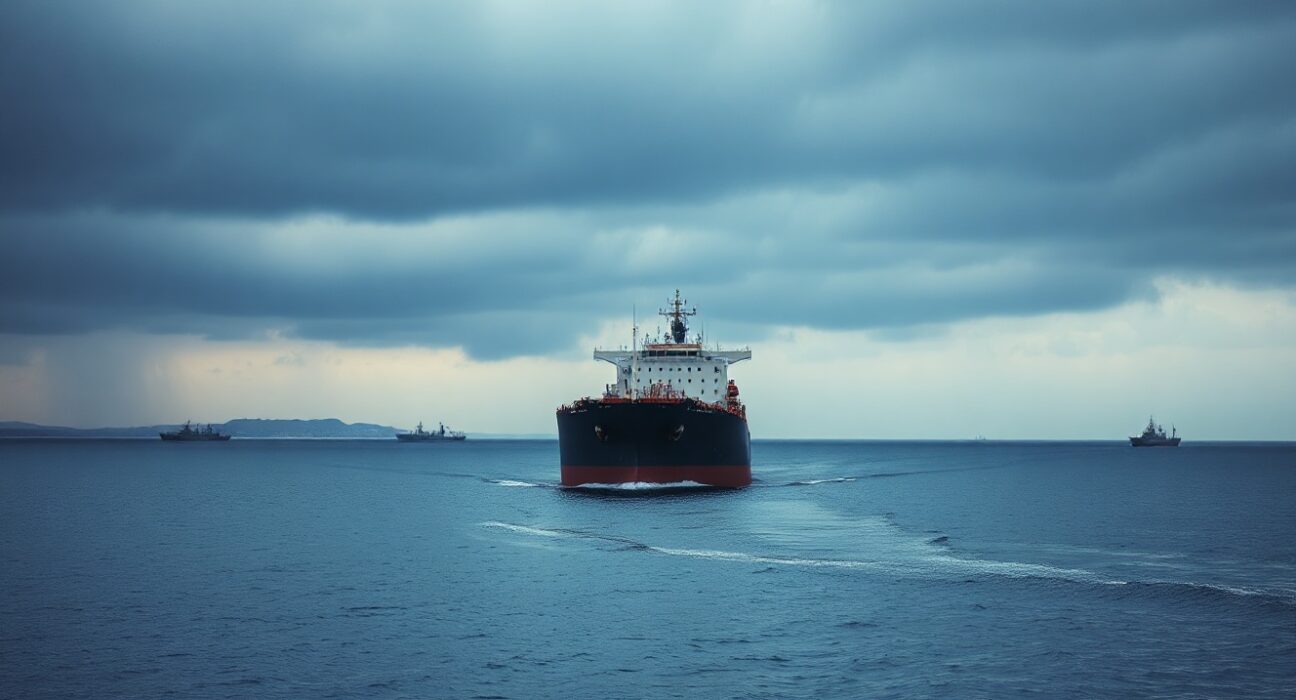
Analysts at Rabobank have revised their Brent crude price forecast upward, citing the growing likelihood of a prolonged closure of the Strait of Hormuz. The strategic waterway, through which roughly one-fifth of the world’s oil passes, has become a focal point for geopolitical tensions that now threaten global supply chains.
Rabobank’s Revised Forecast
In a research note published this week, Rabobank commodity strategists highlighted that the risk of a sustained disruption at the Strait of Hormuz is higher than previously estimated. The bank’s updated model now projects Brent crude trading in a higher range over the coming months, reflecting reduced supply assumptions and elevated risk premiums.
The analysts noted that while a complete blockade remains a low-probability event, even partial or intermittent closures could remove significant volumes from the market. This would strain an already tight global oil balance, particularly as OPEC+ production cuts continue to limit spare capacity.
Geopolitical Context and Market Implications
The Strait of Hormuz connects the Persian Gulf with the Gulf of Oman and the open ocean. Iran has previously threatened to disrupt traffic through the strait in response to international sanctions or military actions. Recent escalations in the region have renewed those concerns, pushing traders to price in a higher risk of supply interruption.
For oil markets, a prolonged closure would have immediate and severe consequences. Prices could spike sharply, impacting everything from gasoline costs to industrial input prices. Central banks already battling inflation would face additional pressure, potentially altering monetary policy trajectories.
What This Means for Investors and Consumers
For investors, Rabobank’s revised outlook signals a need to reassess exposure to energy commodities and related equities. Higher oil prices typically benefit producers but hurt consumers and transportation-dependent sectors. The bank advises monitoring diplomatic developments in the region closely, as any de-escalation could quickly reverse price gains.
For consumers, the potential for higher fuel costs adds uncertainty to household budgets. While strategic petroleum reserves in major economies provide some buffer, they are not designed to offset a prolonged supply disruption of this magnitude.
Conclusion
Rabobank’s analysis underscores the fragile state of global oil supply and the outsized role geopolitical risk plays in price formation. The Strait of Hormuz remains the single most important chokepoint for crude shipments, and any sustained disruption would reshape the near-term price outlook. Market participants should prepare for continued volatility as the situation evolves.
FAQs
Q1: What is the Strait of Hormuz and why does it matter for oil prices?
The Strait of Hormuz is a narrow waterway between Iran and Oman through which about 20% of the world’s oil passes. Any closure or disruption there can cut off significant supply, pushing global oil prices higher.
Q2: How does Rabobank’s forecast compare to other analysts?
Rabobank’s revised outlook is more bearish than consensus, reflecting a higher probability of prolonged disruption. Other major banks have also raised price targets but generally assume shorter interruptions.
Q3: What could trigger a prolonged closure of the strait?
Potential triggers include military conflict involving Iran, retaliatory actions against sanctions, or regional instability. Diplomatic negotiations and naval patrols by international coalitions aim to prevent such scenarios.
Disclaimer: The information provided is not trading advice, Bitcoinworld.co.in holds no liability for any investments made based on the information provided on this page. We strongly recommend independent research and/or consultation with a qualified professional before making any investment decisions.
