

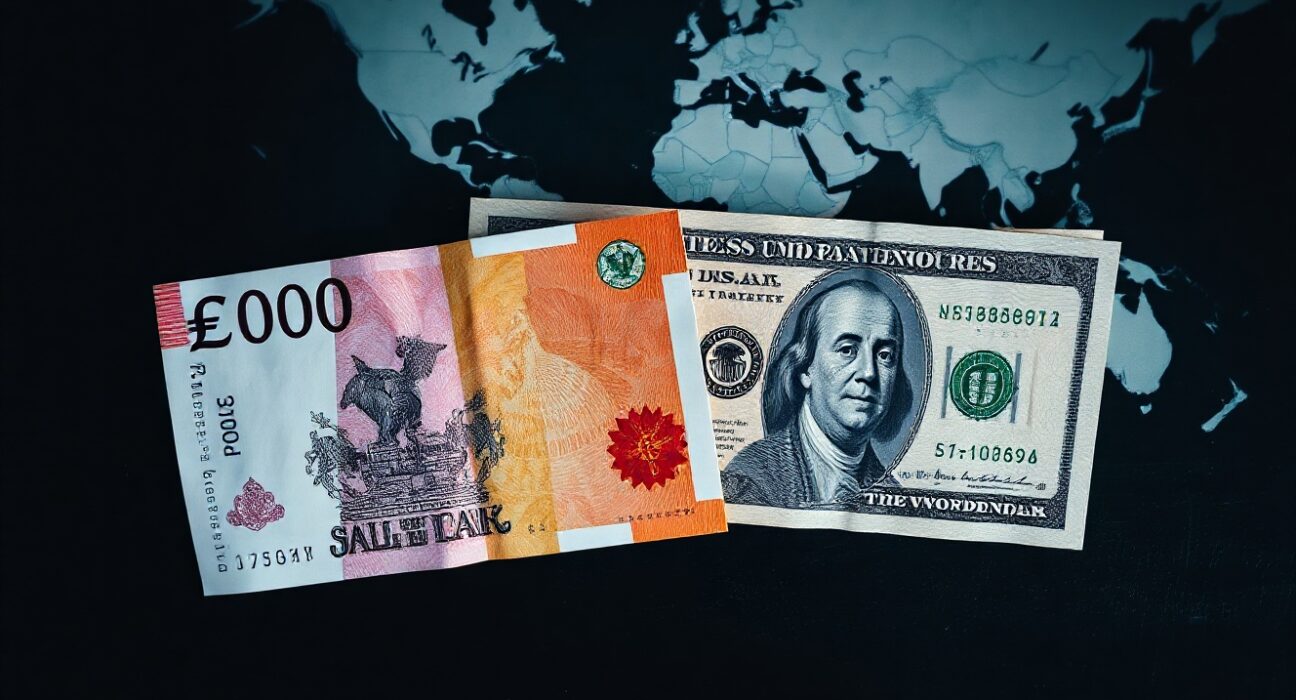
The British Pound remained under pressure against the US Dollar on Wednesday, as escalating geopolitical tensions between the United States and Iran drove investors toward the relative safety of the greenback. The GBP/USD pair traded lower, reflecting a broader risk-off mood that has gripped global currency markets since reports of heightened military posturing emerged from the Middle East.
Geopolitical Fears Fuel Dollar Demand
The US Dollar index, which measures the currency against a basket of major peers, climbed as traders priced in a higher risk premium following unconfirmed reports of increased US naval deployments near the Strait of Hormuz. Iran’s response, including statements from its foreign ministry warning of retaliation, has added to uncertainty. Historically, the US Dollar benefits from safe-haven flows during geopolitical crises, often at the expense of currencies like the British Pound that are more tied to global trade sentiment and domestic economic outlooks.
GBP Vulnerable Amid Domestic Headwinds
Beyond the immediate geopolitical shock, the British Pound faces its own set of challenges. The UK economy continues to grapple with sticky inflation, a sluggish housing market, and uncertainty over the Bank of England’s next policy move. While the BoE has held rates steady in recent meetings, the lack of clear forward guidance has left sterling exposed. Market participants are now closely watching UK GDP data and services PMI readings due later this week for clues on the health of the economy.
What This Means for Traders and Businesses
For currency traders, the immediate takeaway is that GBP/USD could remain volatile, with key support levels around 1.2400 being tested. A break below that could open the door to further losses toward 1.2300. For UK-based importers and exporters, the weaker pound means higher costs for goods priced in dollars, while exporters may find a temporary competitive advantage. The broader lesson is that geopolitical risk has re-emerged as a primary driver of currency markets, overshadowing domestic fundamentals for now.
Conclusion
The British Pound’s subdued performance against the US Dollar reflects a market prioritizing safety over yield. Until the US-Iran situation de-escalates or the UK delivers a clearer economic narrative, sterling is likely to remain on the defensive. Traders and businesses should prepare for continued volatility and monitor geopolitical headlines as closely as economic data releases.
FAQs
Q1: Why does the US Dollar strengthen during US-Iran tensions?
The US Dollar is considered a global safe-haven currency. During geopolitical crises, investors sell riskier assets and buy dollars, which are seen as a stable store of value due to the size and liquidity of the US economy.
Q2: How does a weaker British Pound affect UK consumers?
A weaker pound makes imports more expensive, which can lead to higher prices for goods like food, fuel, and electronics. It can also increase the cost of foreign travel and holidays for UK residents.
Q3: What key levels should traders watch in GBP/USD?
Immediate support is near 1.2400. If that level breaks, the next major support is around 1.2300. On the upside, resistance is seen at 1.2550 and then 1.2650, but a sustained move higher would likely require a de-escalation of geopolitical risks.
Disclaimer: The information provided is not trading advice, Bitcoinworld.co.in holds no liability for any investments made based on the information provided on this page. We strongly recommend independent research and/or consultation with a qualified professional before making any investment decisions.
