

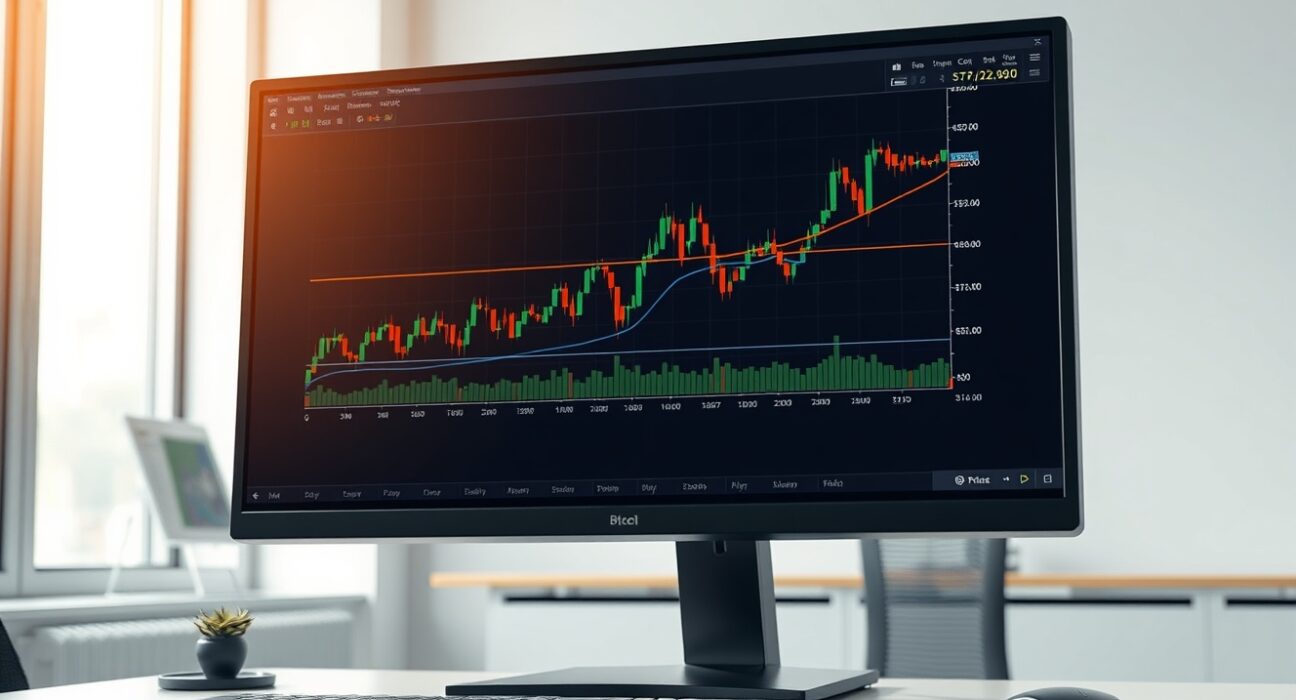
For traders monitoring Bitcoin’s spot market, the BTC/USDT Cumulative Volume Delta (CVD) chart offers a detailed look into real-time order flow. By combining a Volume Heatmap with a delta line that tracks buying and selling pressure by trade size, this tool helps identify potential support and resistance levels based on actual trading activity rather than price alone.
Understanding the Volume Heatmap
The top section of the chart displays a Volume Heatmap, which visualizes trading volume at specific price levels for the BTC/USDT pair. When the price lingers in a particular range or makes a significant move, the background at those levels becomes brighter. These brighter areas often act as support or resistance in future price action, as they represent zones where a large number of trades have already occurred. Traders use this information to anticipate where the market might react again.
What the Cumulative Volume Delta (CVD) Shows
Below the heatmap, the CVD indicator plots the net difference between buy and sell orders over time, categorized by trade size. The indicator rises as buy orders increase and falls when selling pressure dominates. The chart uses color-coded lines to represent different order sizes: the yellow line tracks smaller orders ranging from $100 to $1,000, while the brown line monitors large institutional-sized orders between $1 million and $10 million. This distinction helps traders gauge whether retail or institutional participants are driving the market.
Why Trade Size Matters
Analyzing CVD by trade size provides insight into market composition. A rising brown line suggests large players are accumulating or distributing Bitcoin, which can signal a shift in trend. Conversely, a rising yellow line may indicate retail-driven momentum that could be less sustainable. By watching both lines, traders can better assess the strength behind a price move and avoid being misled by low-volume fluctuations.
Practical Applications for Traders
The CVD chart is particularly useful for intraday and swing traders who rely on order flow analysis. For example, if Bitcoin approaches a price level that previously showed high volume on the heatmap, a trader might watch the CVD lines for confirmation. If the CVD shows strong buying at that level, it could reinforce the level as support. If selling pressure dominates, the level may break. This approach adds a layer of confirmation beyond standard technical indicators like moving averages or RSI.
Conclusion
The BTC/USDT spot CVD chart is a practical tool for traders who want to move beyond price action and understand the underlying order flow. By combining the Volume Heatmap with trade-size-specific delta lines, it offers a clearer picture of market sentiment and potential turning points. As with any indicator, it works best when used alongside other forms of analysis and within a broader trading strategy.
FAQs
Q1: What does CVD stand for in crypto trading?
CVD stands for Cumulative Volume Delta, which measures the net difference between buy and sell orders in the order book over a specific period.
Q2: How is the Volume Heatmap different from regular volume bars?
The Volume Heatmap shows volume at specific price levels on the chart, highlighting where trading activity has concentrated. Regular volume bars show total volume over time intervals, not price levels.
Q3: Can the CVD chart be used for other trading pairs?
Yes, the CVD chart is available for many spot trading pairs on platforms that support it, including ETH/USDT, SOL/USDT, and others. The same principles apply across different assets.
Disclaimer: The information provided is not trading advice, Bitcoinworld.co.in holds no liability for any investments made based on the information provided on this page. We strongly recommend independent research and/or consultation with a qualified professional before making any investment decisions.
