

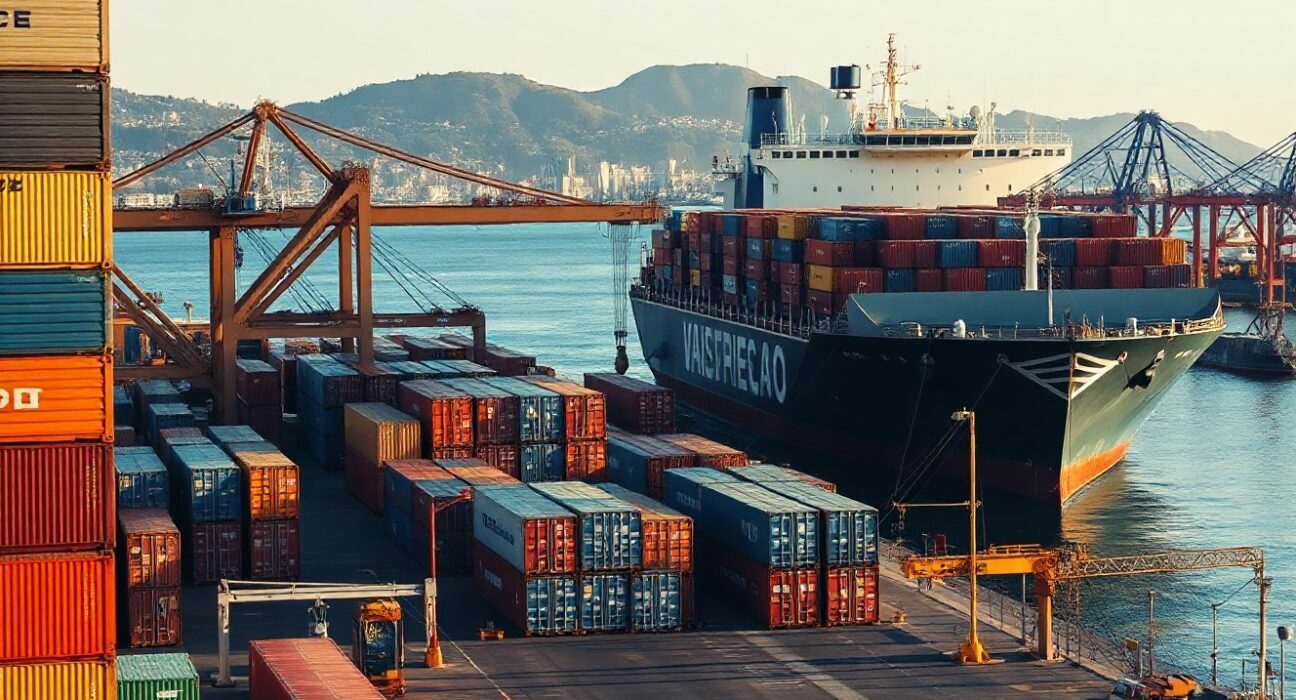
Chile’s trade balance registered a surplus of $1,990 million in July, falling short of market expectations of $2,380 million, according to official data released this month. The narrower-than-expected surplus reflects a notable increase in imports, which outpaced export growth during the period.
What the July Trade Data Shows
The July figure marks a significant deviation from analyst forecasts, signaling a shift in the country’s external sector dynamics. While exports remained resilient, driven by copper and agricultural products, imports rose sharply, partly due to higher fuel prices and increased consumer goods demand.
Month-on-month, the trade surplus narrowed compared to June, when it stood at $2,150 million. The data, compiled by the Central Bank of Chile, highlights a trend of expanding domestic consumption and investment, which has boosted import volumes.
Why the Trade Balance Matters
The trade balance is a key indicator of Chile’s economic health, influencing currency valuation, fiscal revenues, and overall growth prospects. A lower-than-expected surplus could pressure the Chilean peso and prompt analysts to adjust their GDP forecasts.
For investors, the data provides insight into the country’s external competitiveness and the effectiveness of its export diversification strategies. Chile’s heavy reliance on copper exports makes its trade performance particularly sensitive to global commodity prices.
Implications for the Chilean Economy
The July figures suggest that domestic demand is strengthening, which could support economic recovery but also widen the current account deficit if the trend persists. Policymakers may need to balance growth support with external stability.
Market participants will be watching upcoming months to see if this is a one-off or the start of a sustained pattern. The Central Bank’s monetary policy decisions may also factor in the trade data, as inflation and currency stability remain key concerns.
Conclusion
Chile’s July trade surplus of $1,990 million, below the expected $2,380 million, underscores the impact of rising imports on the country’s external accounts. While exports remain steady, the import surge points to stronger domestic activity, presenting both opportunities and challenges for the economy. Analysts will closely monitor future releases to assess the durability of this trend.
FAQs
Q1: What is Chile’s trade balance?
The trade balance is the difference between the value of a country’s exports and imports over a specific period. A positive balance (surplus) means exports exceed imports, while a negative balance (deficit) indicates the opposite.
Q2: Why did Chile’s trade balance miss expectations in July?
The surplus was lower than forecast primarily due to a sharp increase in imports, which grew faster than exports. Higher fuel prices and stronger domestic demand for consumer goods contributed to the import surge.
Q3: How does the trade balance affect the Chilean peso?
A narrower trade surplus can put downward pressure on the peso because it implies less foreign currency flowing into the country. This can influence inflation and prompt the central bank to adjust monetary policy.
Disclaimer: The information provided is not trading advice, Bitcoinworld.co.in holds no liability for any investments made based on the information provided on this page. We strongly recommend independent research and/or consultation with a qualified professional before making any investment decisions.
