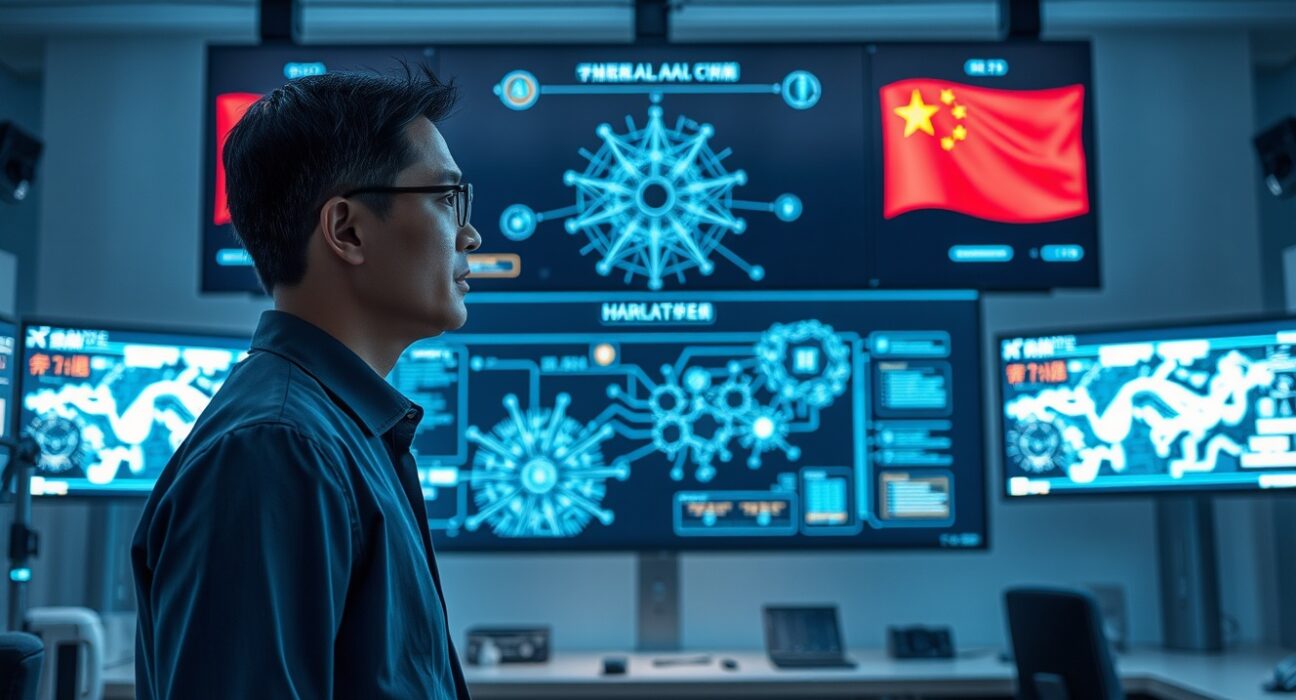
China is increasingly restricting the international movement of its top artificial intelligence researchers, startup founders, and executives, marking a significant shift in how Beijing manages what it now considers a critical national asset. The measures, which include requiring government approval for overseas travel, reflect a broader strategy to prevent a brain drain in the AI sector as global demand for expertise surges.
Escalating Restrictions on Key Figures
In March 2025, the Wall Street Journal reported that Chinese authorities had begun advising top AI founders and researchers to avoid traveling to the United States, an early indication of the government’s heightened concern over losing talent to competitors. The restrictions have since intensified. According to The Financial Times, China has barred the two co-founders of the AI startup Manus from leaving the country while regulators investigate whether Meta’s proposed $2 billion acquisition violates foreign investment rules. The co-founders are reportedly exploring options to comply with Beijing’s demands to unwind the deal, including raising approximately $1 billion from external investors to buy back the company.
A Broader Strategic Realignment
The travel restrictions are part of a wider pattern of economic countermeasures. In 2025, Beijing imposed two rounds of export controls on 14 rare earth materials critical to high-tech military manufacturing. Separately, the government barred state-funded data centers from deploying foreign AI chips. In April 2026, Bloomberg reported that China plans to require government sign-off before tech companies such as Moonshot AI, StepFun, and ByteDance can accept American capital, further limiting U.S. influence over its AI ecosystem.
Narrowing the Gap with the U.S.
The AI race between the East and the West is closer than ever. Stanford University’s data shows the performance gap between top U.S. and Chinese AI models has shrunk to just 2.7% as of March 2026, down from approximately 31% in 2023. While the United States still leads in model quality and high-impact patents, China is rapidly catching up—and in some areas, outpacing American labs—in publications, citations, and patent volume. This convergence raises fresh questions about how long America can maintain its lead.
Why This Matters
For investors, tech executives, and policymakers, China’s tightening controls signal a more protectionist and strategically minded approach to AI development. The restrictions could slow cross-border collaboration, increase costs for foreign companies seeking access to Chinese talent, and accelerate the fragmentation of global AI research. For the broader tech industry, the moves underscore the growing entanglement of AI with national security and economic policy.
Conclusion
China’s travel restrictions on its top AI talent represent a calculated effort to retain expertise and control over a sector it views as central to its future competitiveness. As the technological gap with the U.S. narrows, these measures are likely to deepen, reshaping the global landscape for AI research, investment, and collaboration.
FAQs
Q1: Why is China restricting AI researchers from traveling abroad?
Beijing views AI as both an economic asset and a national security priority. The restrictions aim to prevent a brain drain and retain top talent critical to maintaining China’s competitive edge in the global AI race.
Q2: How close is China to matching U.S. AI capabilities?
Stanford University data shows the performance gap between top U.S. and Chinese AI models has narrowed to 2.7% as of March 2026, down from 31% in 2023. China leads in publication and patent volume, though the U.S. still leads in model quality and high-impact patents.
Q3: What impact could these restrictions have on global AI development?
The restrictions could slow cross-border collaboration, increase costs for foreign firms, and accelerate the fragmentation of global AI research. They also signal a more protectionist approach that may affect international investment and partnerships.
Disclaimer: The information provided is not trading advice, Bitcoinworld.co.in holds no liability for any investments made based on the information provided on this page. We strongly recommend independent research and/or consultation with a qualified professional before making any investment decisions.