

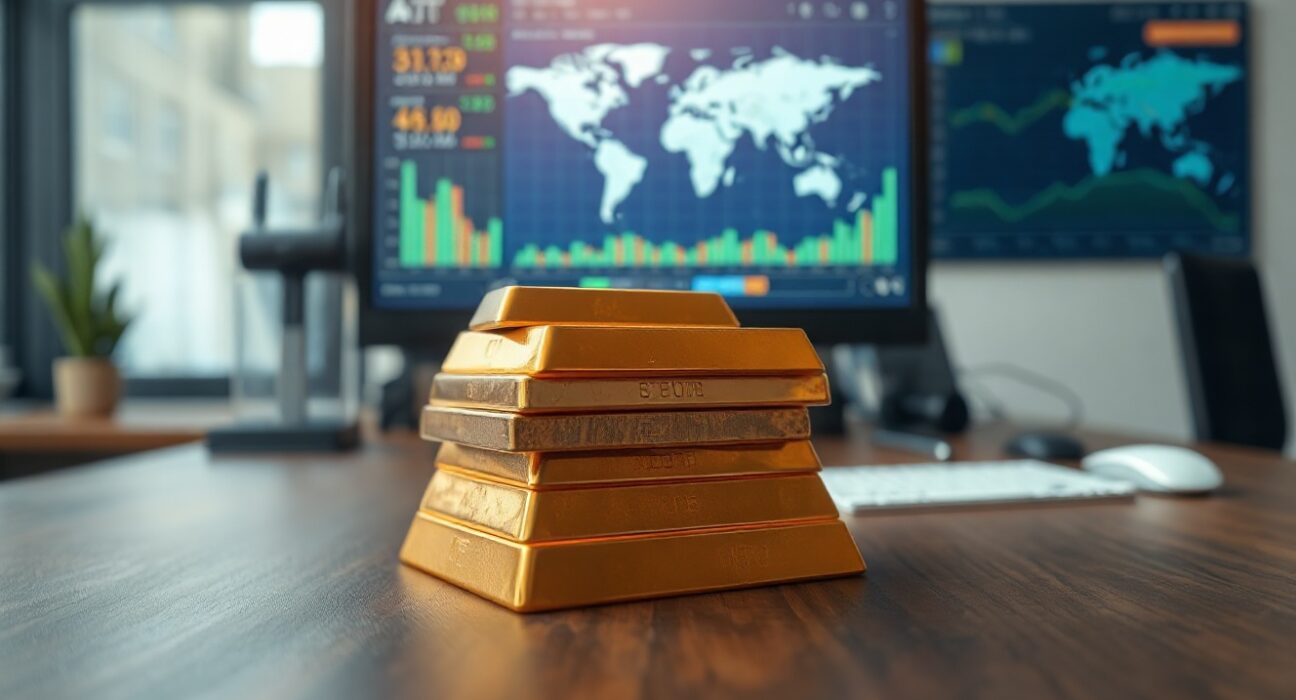
The hard-asset trade is gaining momentum, and China has just introduced a powerful new catalyst that could further fuel demand for commodities and precious metals. As of this week, investors are increasingly rotating capital into tangible assets, driven by geopolitical tensions, inflationary pressures, and a search for stability. This shift is not merely a short-term trend; it reflects a broader reassessment of portfolio strategies in an environment of economic uncertainty.
What is Driving the Hard-Asset Trade?
The hard-asset trade refers to investments in physical assets like gold, silver, oil, and other commodities, which tend to hold value during periods of market volatility and inflation. The current acceleration is supported by several factors: persistent global supply chain disruptions, central bank policies that remain accommodative in many regions, and a growing distrust of fiat currencies. In 2025, gold prices reached record highs, and the trend has continued into 2026, with analysts noting a sustained bid from both retail and institutional investors.
China’s New Catalyst: What Has Changed?
China, the world’s largest importer of many commodities, has recently announced policy adjustments that are expected to boost its domestic demand for hard assets. While the specifics of the policy are still emerging, early reports indicate that Beijing is encouraging state-owned enterprises and financial institutions to increase their holdings of strategic resources, including gold and rare earth metals. This move is seen as a hedge against Western sanctions and a way to diversify China’s vast foreign exchange reserves, which are heavily concentrated in U.S. Treasuries. The announcement has already led to a noticeable uptick in trading volumes in Shanghai’s commodity futures market.
Why This Matters for Global Investors
For global investors, China’s policy shift is significant because it adds a new layer of demand to an already tight market. Commodity supply chains remain constrained, and any additional buying from China could push prices higher. This has implications for inflation expectations worldwide, as higher commodity prices often translate into increased costs for goods and services. Investors who are underweight in hard assets may need to reconsider their allocations, especially if they are concerned about the long-term purchasing power of their portfolios.
Expert Insights and Market Reactions
Market analysts have reacted with a mix of caution and optimism. Some see this as a rational response to a multipolar world, where countries are increasingly looking to secure critical resources. Others warn that the hard-asset trade could become crowded, leading to potential volatility if central banks tighten policy faster than expected. Historically, hard assets have performed well during periods of negative real interest rates, but they can also suffer sharp corrections when monetary conditions change. As of the latest data, the Bloomberg Commodity Index is up 12% year-to-date, outpacing global equities, which have gained only 4%.
Conclusion
In summary, the hard-asset trade is accelerating, and China’s new policy catalyst is likely to reinforce this trend. While no investment is without risk, the underlying drivers—geopolitical fragmentation, fiscal expansion, and the search for stability—remain intact. Investors should monitor developments closely, as the situation is fluid and policy details are still unfolding. A balanced approach that includes a measured allocation to hard assets may serve well in the current environment.
FAQs
Q1: What are hard assets?
Hard assets are physical investments like gold, silver, oil, real estate, and other commodities that have intrinsic value and are often used as a hedge against inflation and currency devaluation.
Q2: Why is China’s policy a catalyst for hard assets?
China is the world’s largest importer of many commodities. By encouraging its state-owned enterprises and financial institutions to increase holdings of strategic resources, China adds significant new demand to the market, which can push prices higher.
Q3: Should I invest in hard assets now?
It depends on your investment goals and risk tolerance. Hard assets can provide diversification and protection against inflation, but they also carry risks such as price volatility. It’s advisable to consult with a financial advisor to determine if they fit your portfolio.
Disclaimer: The information provided is not trading advice, Bitcoinworld.co.in holds no liability for any investments made based on the information provided on this page. We strongly recommend independent research and/or consultation with a qualified professional before making any investment decisions.
