
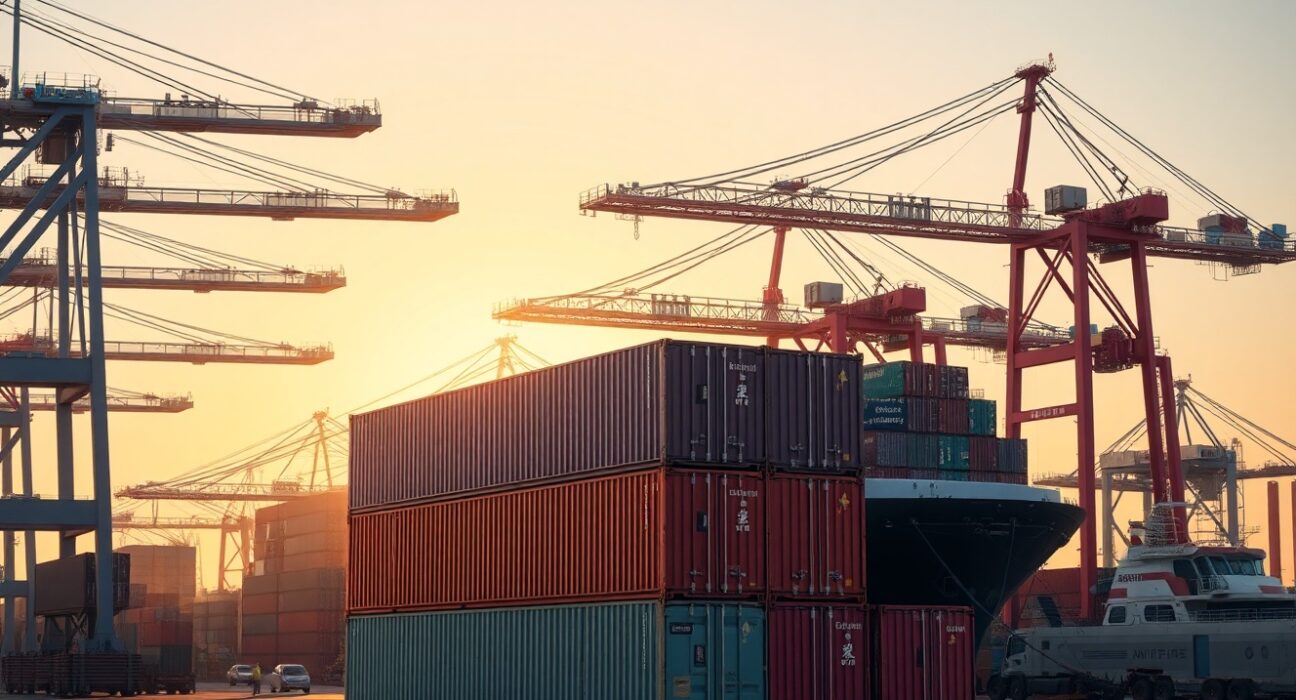
China’s economic landscape continues to demonstrate remarkable resilience through robust export performance and strategic bank flows, according to recent analysis from Commerzbank. Frankfurt-based economists released comprehensive charts this week detailing the interconnected dynamics between China’s trade surplus and financial system movements. These indicators provide crucial insights into global economic stability as we approach mid-2025.
China’s Export Strength and Economic Indicators
Recent trade data reveals China maintaining significant export momentum across multiple sectors. The country’s manufacturing output continues to drive global supply chains, particularly in electronics, machinery, and renewable energy components. According to Commerzbank’s analysis, several key factors contribute to this sustained performance:
- Diversified export markets across Southeast Asia, Europe, and emerging economies
- Advanced manufacturing capabilities in high-value technology sectors
- Strategic trade agreements that facilitate smoother international commerce
- Infrastructure investments in port facilities and logistics networks
Monthly export growth has consistently exceeded market expectations throughout early 2025. This trend reflects both recovering global demand and China’s competitive positioning in key industries. Furthermore, the country’s trade surplus has provided substantial foreign exchange reserves, strengthening its economic foundation.
Bank Flows and Financial System Analysis
Commerzbank’s charts illustrate significant capital movements within China’s banking sector. These flows demonstrate how financial institutions manage liquidity while supporting economic growth. Several patterns emerge from the data:
| Flow Type | Direction | Primary Purpose |
|---|---|---|
| Interbank lending | Domestic | Liquidity management |
| Foreign investment | Inbound | Infrastructure financing |
| Corporate loans | Outbound | Export financing |
| Government bonds | Mixed | Monetary policy implementation |
These banking activities support export-oriented businesses through various financing mechanisms. Additionally, they help stabilize currency values and maintain financial system integrity. The People’s Bank of China continues to implement measured policies that balance growth objectives with risk management considerations.
Expert Analysis from Financial Institutions
Economic researchers at Commerzbank emphasize the interconnected nature of trade and finance in China’s economy. Their analysis suggests that strong export performance generates foreign currency inflows, which banking institutions then channel toward productive domestic investments. This creates a virtuous cycle supporting sustainable economic development.
International financial experts note that China’s banking system has demonstrated increasing sophistication in recent years. Risk management frameworks have evolved alongside expanding international operations. Consequently, Chinese banks now play more significant roles in global financial markets while maintaining robust domestic foundations.
Global Economic Context and Implications
China’s economic performance carries substantial implications for worldwide markets. As the world’s second-largest economy, its export strength influences global pricing, supply chain dynamics, and currency valuations. Several international organizations monitor these developments closely:
- The International Monetary Fund tracks China’s contribution to global growth
- World Trade Organization analyzes trade pattern implications
- Bank for International Settlements examines financial stability aspects
- Regional development banks assess infrastructure investment impacts
Current data suggests China’s economic resilience provides stability during uncertain global conditions. However, analysts continue monitoring potential challenges including trade tensions, commodity price volatility, and geopolitical developments that could affect future performance.
Conclusion
China’s export strength and bank flows demonstrate the economy’s continued resilience and strategic positioning within global markets. Commerzbank’s analysis provides valuable insights into how trade performance and financial system operations interact to support sustainable growth. These dynamics remain crucial for understanding broader economic trends as we progress through 2025. Monitoring these indicators will help businesses, investors, and policymakers make informed decisions in coming months.
FAQs
Q1: What specific sectors drive China’s current export strength?
Electronics, machinery, renewable energy components, and consumer goods represent the strongest performing export sectors. Advanced manufacturing capabilities in these areas provide competitive advantages in global markets.
Q2: How do bank flows support China’s export economy?
Financial institutions provide export financing, currency exchange services, and trade credit facilities. They also manage foreign exchange reserves generated by trade surpluses, supporting overall economic stability.
Q3: What risks could affect China’s export performance?
Potential challenges include trade policy changes, global demand fluctuations, supply chain disruptions, and currency valuation shifts. Geopolitical developments and environmental factors may also influence future performance.
Q4: How does Commerzbank analyze China’s economic data?
The bank employs quantitative analysis of trade statistics, financial flow data, and macroeconomic indicators. Their researchers combine this with qualitative assessment of policy developments and market conditions.
Q5: What implications does China’s economic performance have for global markets?
China’s export strength affects global pricing, supply availability, and currency markets. Its banking system’s stability contributes to international financial system resilience, while trade patterns influence economic conditions worldwide.
Disclaimer: The information provided is not trading advice, Bitcoinworld.co.in holds no liability for any investments made based on the information provided on this page. We strongly recommend independent research and/or consultation with a qualified professional before making any investment decisions.