

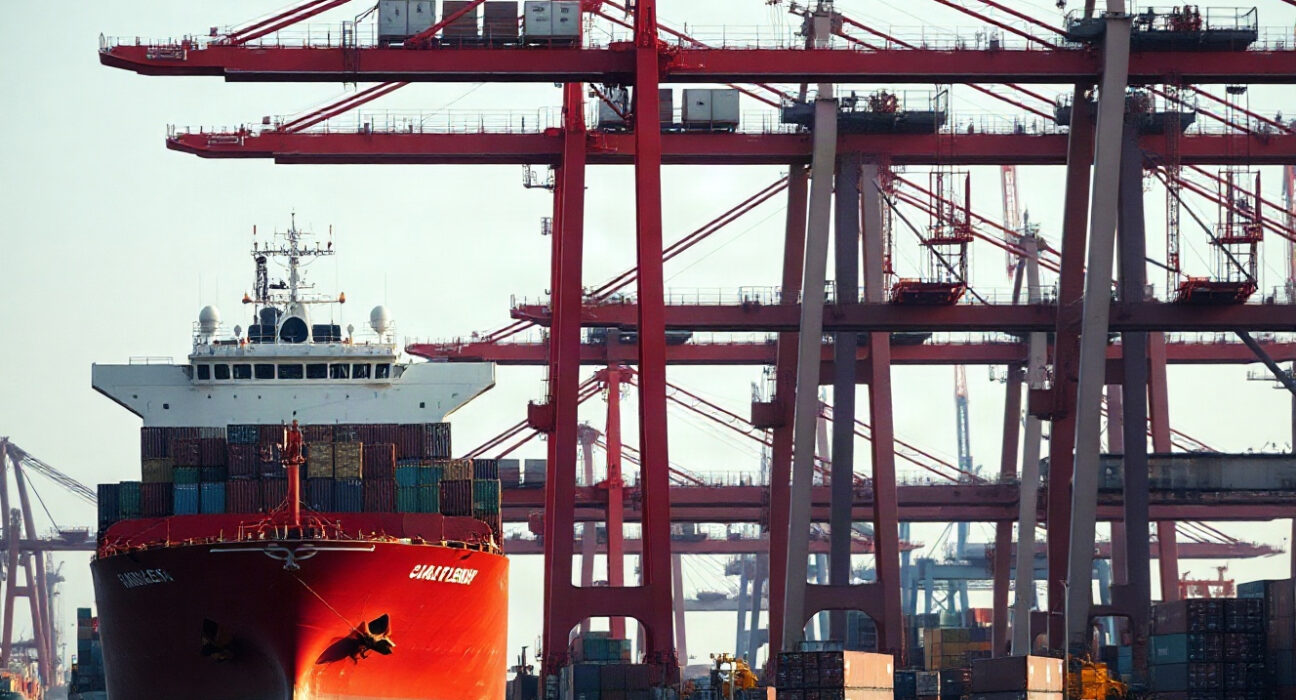
China’s year-to-date (YTD) foreign direct investment (FDI) declined by 6.2% in July, compared with a 5% drop in the previous month, according to the latest data from China’s Ministry of Commerce. The continued contraction underscores the challenges the world’s second-largest economy faces in attracting foreign capital amid global economic uncertainties and geopolitical tensions.
What the Data Shows
The YTD FDI figure for July reflects the cumulative inflow of foreign direct investment from January to July, compared with the same period last year. The decline of 6.2% marks a steeper fall than June’s 5% decrease, indicating a worsening trend in foreign investment inflows.
While the ministry did not provide a breakdown by sector or source country in the preliminary release, historical data suggests that manufacturing and high-tech industries have been the primary recipients of FDI. The slowdown may be attributed to a combination of factors, including a slower-than-expected post-pandemic recovery, regulatory changes, and heightened scrutiny of foreign investments in certain sectors.
Why It Matters
Foreign direct investment is a crucial indicator of economic health and confidence. It brings not only capital but also technology, management expertise, and access to global markets. A sustained decline in FDI could impact China’s economic growth prospects and its ability to upgrade its industrial base.
The trend is particularly significant as China seeks to shift from an investment-driven to a consumption-driven growth model. A reduction in foreign capital could slow the development of advanced industries and innovation, which are key to long-term competitiveness.
Global Context and Comparisons
China’s FDI decline occurs against a backdrop of global foreign investment flows that have been volatile. According to the United Nations Conference on Trade and Development (UNCTAD), global FDI flows in 2023 were estimated at $1.37 trillion, a slight decrease from the previous year. Many emerging markets have experienced fluctuations in FDI due to rising interest rates in developed economies and geopolitical fragmentation.
In comparison, other Asian economies like India and Vietnam have seen relatively stronger FDI inflows in recent years, partly due to supply chain diversification efforts by multinational corporations. This shift could pose a competitive challenge to China’s manufacturing sector.
Policy Responses and Outlook
The Chinese government has introduced measures to attract foreign investment, including the creation of pilot free trade zones, tax incentives, and improved market access for foreign companies. In 2023, the State Council issued guidelines to further stabilize foreign investment, emphasizing the need to level the playing field and protect intellectual property rights.
Despite these efforts, the near-term outlook remains uncertain. Analysts suggest that FDI may continue to face headwinds from global economic slowdown, trade tensions, and regulatory uncertainties. However, the Chinese market’s size and potential for growth in sectors like green energy and digital economy may still attract long-term investors.
Conclusion
China’s FDI YTD decline to -6.2% in July reflects a challenging environment for foreign investors. While the government has taken steps to improve the investment climate, the persistent decline highlights the need for continued reforms and policy stability. The data serves as a reminder of the interconnectedness of global economies and the importance of maintaining an open and predictable investment environment.
FAQs
Q1: What does FDI YTD mean?
FDI YTD refers to the cumulative foreign direct investment inflows from January to July of the current year, compared with the same period in the previous year. The percentage change indicates the growth or decline in these inflows.
Q2: Why is China’s FDI declining?
The decline is attributed to a combination of global economic slowdown, geopolitical tensions, regulatory changes, and a slower post-pandemic recovery. Some foreign companies are also diversifying their supply chains to other countries.
Q3: How does FDI affect China’s economy?
FDI brings capital, technology, and management skills, which help boost economic growth, create jobs, and improve productivity. A decline in FDI can slow industrial upgrading and innovation, potentially impacting long-term growth.
Disclaimer: The information provided is not trading advice, Bitcoinworld.co.in holds no liability for any investments made based on the information provided on this page. We strongly recommend independent research and/or consultation with a qualified professional before making any investment decisions.
