
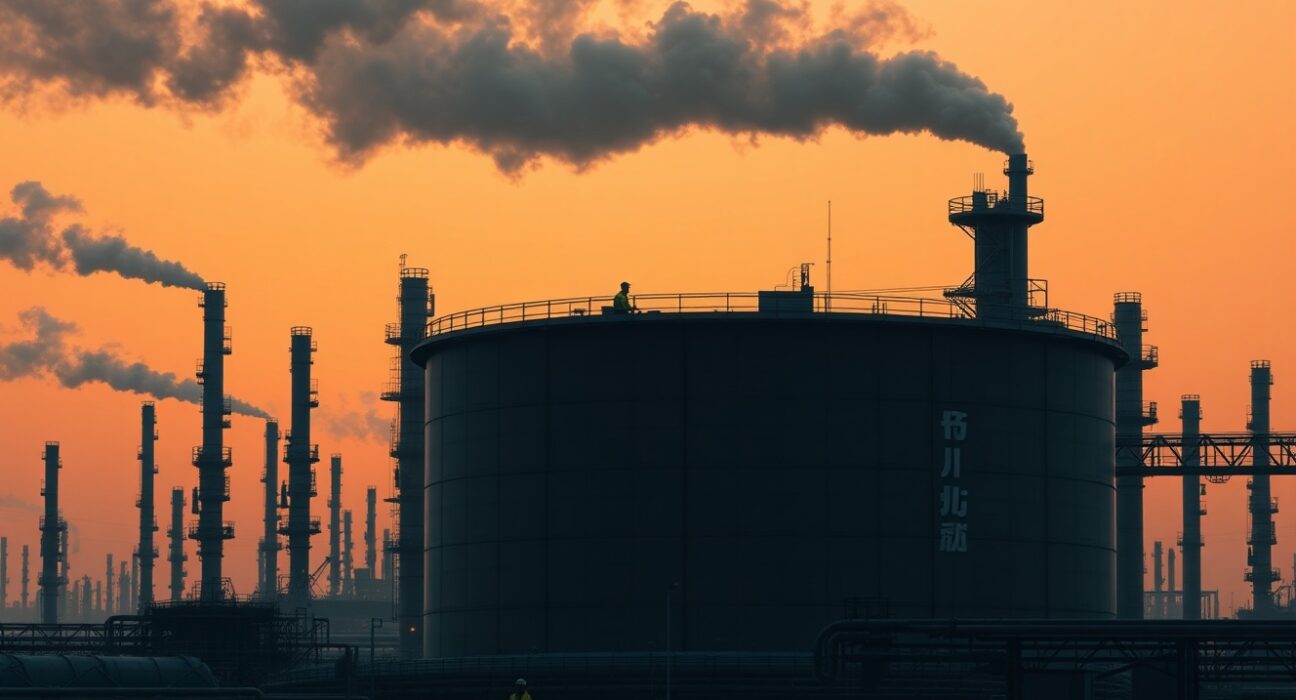
BEIJING, March 2025 — China has issued an immediate and comprehensive ban on fuel exports for March, according to exclusive Reuters reporting. This sudden policy shift sends shockwaves through global energy markets already grappling with supply chain uncertainties. Consequently, analysts predict significant price volatility across Asia and Europe. The directive specifically targets gasoline, diesel, and jet fuel shipments. Moreover, it represents Beijing’s most aggressive energy security move in recent years.
China Fuel Export Ban: Immediate Market Reactions
The National Development and Reform Commission (NDRC) confirmed the export prohibition late Tuesday. Therefore, all scheduled shipments for March face immediate cancellation. International traders received notification through official channels. Subsequently, Asian benchmark gasoline prices surged by 8% within hours. European gasoil futures also climbed sharply. Meanwhile, shipping companies began rerouting vessels originally destined for Chinese ports.
Market analysts immediately identified several contributing factors. First, China’s domestic refinery maintenance season typically peaks in spring. Second, strategic petroleum reserve replenishment remains a priority. Third, rising domestic transportation demand precedes the Labor Day holiday period. Fourth, geopolitical tensions continue influencing energy security calculations. Finally, recent crude oil price fluctuations prompted precautionary measures.
Key affected fuel types include:
- Gasoline (Motor Spirit)
- Diesel (Automotive Gas Oil)
- Jet Fuel (Aviation Turbine Kerosene)
- Fuel Oil (Marine and Industrial)
- Naphtha (Petrochemical Feedstock)
Historical Context and Policy Evolution
China’s fuel export policies have evolved dramatically since 2020. Initially, the country encouraged exports to utilize refining overcapacity. However, the government gradually implemented quotas and restrictions. For instance, 2023 saw export quotas reduced by 40% compared to 2022. Furthermore, 2024 introduced seasonal adjustments based on domestic demand. This March 2025 complete ban represents an unprecedented escalation.
The table below illustrates China’s recent export volumes:
| Year | Fuel Exports (Million Tons) | Policy Stance |
|---|---|---|
| 2022 | 45.2 | Moderate Restrictions |
| 2023 | 32.8 | Tightened Quotas |
| 2024 | 28.1 | Seasonal Controls |
| 2025 (Projected) | 15.4 | Complete March Ban |
Expert Analysis: Domestic Supply Security
Energy security experts highlight China’s growing domestic consumption. Dr. Li Wei of the China Energy Research Institute explains the rationale. “China’s transportation sector demand increases 6% annually,” he notes. “Additionally, manufacturing activity requires stable diesel supplies.” Therefore, the export ban prioritizes national energy security. Meanwhile, industrial analysts observe refinery utilization rates. Currently, they operate at 78% capacity despite maintenance schedules.
Global Energy Market Implications
The international energy landscape faces immediate disruption. Asian importers particularly depend on Chinese fuel shipments. Specifically, Singapore, Australia, and the Philippines source significant volumes. Consequently, these nations must secure alternative suppliers. Meanwhile, Middle Eastern refiners increase production to fill the gap. However, shipping logistics require weeks to adjust. Thus, regional supply shortages appear inevitable.
European markets experience secondary effects. Traditionally, Asian supply shortages increase Atlantic basin competition. Therefore, European diesel prices face upward pressure. Additionally, transatlantic shipping rates rise as vessels reposition. Furthermore, global inventory levels decline rapidly. The International Energy Agency (IEA) monitors the situation closely. Their latest report indicates tightening global product stocks.
Primary global impacts include:
- Asian gasoline price premiums over European benchmarks
- Increased Middle East refinery operating rates
- Higher freight rates for clean product tankers
- Strategic reserve releases by importing nations
- Accelerated renewable energy investment discussions
Economic and Geopolitical Considerations
China’s decision carries significant economic weight. The country exported approximately 2.5 million tons monthly in early 2025. Consequently, the March ban removes substantial volumes from global trade. Meanwhile, domestic Chinese fuel prices remain relatively stable. The government maintains price controls on refined products. Therefore, consumers experience minimal immediate impact.
Geopolitical analysts note broader strategic implications. China increasingly prioritizes energy self-sufficiency. This policy aligns with “dual circulation” economic strategy. Moreover, it reduces exposure to international market volatility. However, trading partners express concern about market predictability. Regional diplomacy may address these energy security concerns.
Industry Response and Adaptation
International oil companies adjust their supply chains immediately. Shell and BP redirect shipments from other regions. Meanwhile, independent refiners in Shandong province reduce production rates. Their export-oriented operations face particular challenges. Conversely, domestic-focused state refiners continue normal operations. Sinopec and PetroChina maintain supply to Chinese consumers.
Conclusion
China’s immediate fuel export ban for March 2025 represents a pivotal energy market event. The decision prioritizes domestic supply security amid growing consumption. Consequently, global markets experience significant disruption and price volatility. This China fuel export ban demonstrates Beijing’s assertive energy policy approach. Furthermore, it highlights interconnected global supply chain vulnerabilities. Market participants now monitor potential policy extensions beyond March.
FAQs
Q1: What specific fuels does China’s export ban cover?
The ban comprehensively covers gasoline, diesel, jet fuel, fuel oil, and naphtha exports during March 2025.
Q2: How long will the China fuel export ban remain in effect?
The current directive applies specifically to March 2025 shipments, though authorities may extend restrictions based on domestic supply conditions.
Q3: Which countries are most affected by China’s fuel export decision?
Asian importers including Singapore, Australia, Philippines, and Vietnam face immediate supply challenges requiring alternative sourcing.
Q4: How does this ban affect global oil prices?
While crude oil prices experience moderate pressure, refined product prices surge significantly, particularly in Asian markets.
Q5: What are China’s primary reasons for implementing this export restriction?
Key factors include domestic refinery maintenance, strategic reserve replenishment, rising transportation demand, and broader energy security priorities.
Disclaimer: The information provided is not trading advice, Bitcoinworld.co.in holds no liability for any investments made based on the information provided on this page. We strongly recommend independent research and/or consultation with a qualified professional before making any investment decisions.