

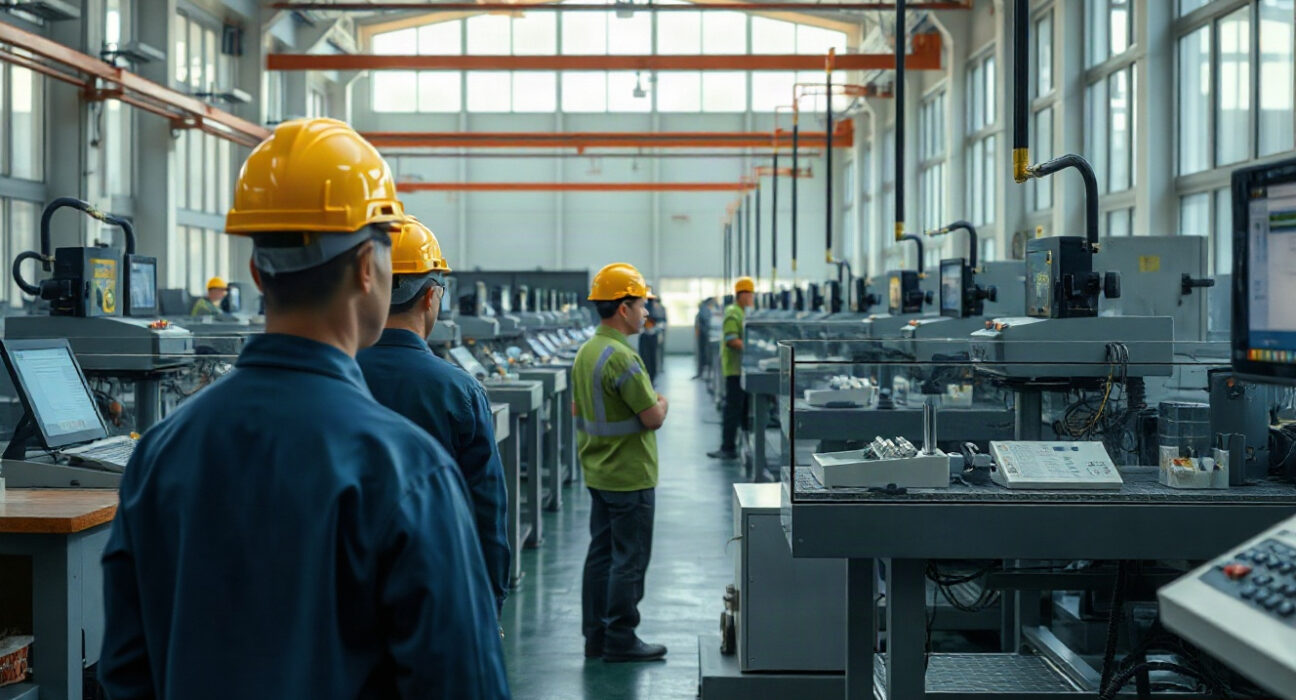
China’s manufacturing activity expanded at a slower pace than expected in July, with the Caixin Manufacturing PMI coming in at 50.9, below the forecast of 51.5 and down from 51.8 in June. The reading, released on August 1, 2025, signals that factory growth softened amid weakening domestic demand and persistent global trade uncertainties.
What the PMI Reading Means for the Economy
The Purchasing Managers’ Index (PMI) is a key indicator of economic health in the manufacturing sector. A reading above 50 indicates expansion, while below 50 signals contraction. July’s 50.9 still points to growth, but the decline from the previous month suggests momentum is cooling. Analysts attribute the slowdown to softer export orders and cautious business sentiment, as companies face rising input costs and uneven demand from key trading partners.
Why the Miss Matters
The lower-than-expected figure raises questions about the strength of China’s economic recovery. While the services sector has shown resilience, manufacturing remains a critical engine for employment and investment. The data may prompt policymakers to consider additional stimulus measures to support factories, especially as global central banks tighten monetary policy and trade tensions persist. For investors, the PMI miss could signal headwinds for industrial commodities and export-oriented companies.
Implications for Markets and Businesses
Financial markets often react to PMI data because it provides an early read on industrial activity. A miss can lead to downward revisions in GDP growth forecasts and affect commodity prices, particularly for metals and energy used in manufacturing. For businesses, the softer reading may translate into more cautious inventory management and investment plans. However, some economists note that a single month’s dip does not necessarily indicate a prolonged downturn, especially if domestic consumption remains robust.
Conclusion
China’s manufacturing PMI for July came in below expectations, reflecting a moderation in factory activity. While the sector remains in expansion territory, the slowdown highlights ongoing challenges from global trade frictions and softer demand. Policymakers and market participants will be watching upcoming data to see if this is a temporary blip or the start of a broader trend.
FAQs
Q1: What is the Caixin Manufacturing PMI?
The Caixin Manufacturing PMI is a monthly survey of factory managers in China, compiled by IHS Markit and published by Caixin. It measures business conditions, including new orders, output, employment, and supplier delivery times. A reading above 50 indicates expansion, below 50 indicates contraction.
Q2: Why did the PMI miss expectations?
The miss is largely attributed to weaker new export orders and slower domestic demand. Businesses also reported higher input costs and ongoing uncertainty in global trade, which weighed on overall sentiment.
Q3: How does the PMI affect the Chinese economy?
The PMI is a leading indicator of economic activity. A decline suggests slower growth in the manufacturing sector, which can influence employment, investment, and overall GDP. It also provides signals to policymakers and financial markets about the health of the economy.
Disclaimer: The information provided is not trading advice, Bitcoinworld.co.in holds no liability for any investments made based on the information provided on this page. We strongly recommend independent research and/or consultation with a qualified professional before making any investment decisions.
