

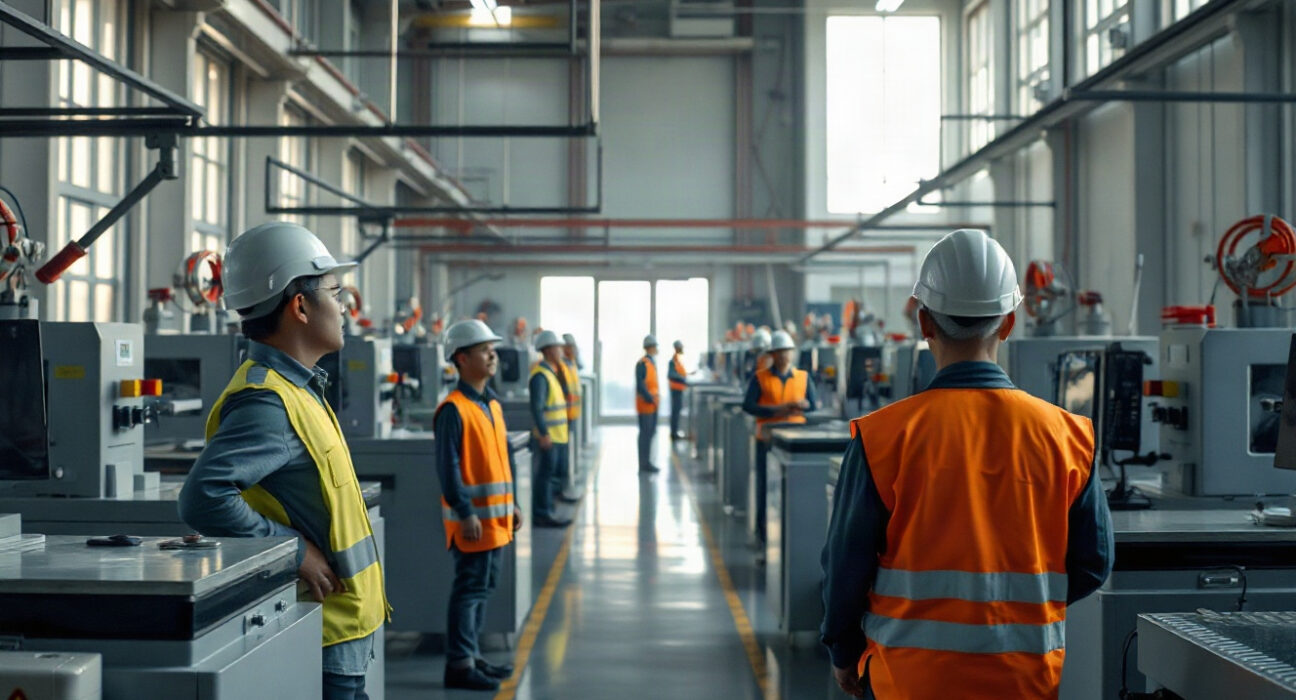
China’s RatingDog Manufacturing PMI declined to 50.9 in July, down from the previous month, indicating that the country’s factory sector continued to expand but at a slower pace.
What the Latest PMI Reading Means
The Purchasing Managers’ Index (PMI) is a key indicator of manufacturing health, with readings above 50 signaling expansion and below 50 indicating contraction. The July figure of 50.9 remains above the neutral threshold, suggesting that while the sector is still growing, the momentum has cooled compared to recent months.
This slowdown may reflect softer domestic demand, ongoing challenges in the property market, and cautious global trade conditions. The data aligns with broader trends observed in other Chinese economic indicators, which have shown a mixed recovery as policymakers balance growth support with structural reforms.
Context and Market Reaction
The RatingDog PMI is one of several private sector surveys that provide an alternative view to the official manufacturing PMI published by China’s National Bureau of Statistics. While the official PMI often focuses on larger state-owned enterprises, private surveys like RatingDog’s tend to capture a wider range of smaller and export-oriented firms.
Markets generally view a PMI above 50 as a positive signal, but the slight decline in July may prompt analysts to adjust their near-term growth forecasts. Investors will likely watch upcoming data releases, including trade figures and industrial production, for further clues on the economy’s trajectory.
Why This Matters for the Global Economy
China is the world’s second-largest economy and a major driver of global manufacturing supply chains. Changes in its factory activity can have ripple effects on commodity prices, shipping rates, and international trade flows. A slower but still expanding manufacturing sector suggests resilience, yet it also underscores the challenges facing Chinese policymakers in sustaining robust growth amid external headwinds.
Conclusion
The decline in China’s RatingDog Manufacturing PMI to 50.9 in July points to a moderation in factory activity, but the sector remains in expansion territory. While the reading is not alarming, it adds to a picture of a gradually cooling economy. Businesses and investors should monitor upcoming data for signs of whether this slowdown deepens or stabilizes in the coming months.
FAQs
Q1: What is the RatingDog Manufacturing PMI?
The RatingDog Manufacturing PMI is a monthly index that measures the health of China’s manufacturing sector based on a survey of purchasing managers. A reading above 50 indicates expansion, while below 50 signals contraction.
Q2: How does the RatingDog PMI differ from the official PMI?
The official PMI is published by China’s National Bureau of Statistics and typically surveys larger, state-owned enterprises. The RatingDog PMI, a private survey, often includes a broader mix of smaller and export-oriented firms, providing an alternative perspective on manufacturing conditions.
Q3: Why is the July PMI reading important?
The July reading of 50.9, while still in expansion territory, indicates a slowdown from previous months. This matters because China’s manufacturing sector is a key driver of global supply chains, and changes in its activity can influence international trade and economic growth.
Disclaimer: The information provided is not trading advice, Bitcoinworld.co.in holds no liability for any investments made based on the information provided on this page. We strongly recommend independent research and/or consultation with a qualified professional before making any investment decisions.
