

Citigroup’s research division has cast doubt on the potential for a US-China summit to meaningfully de-escalate the ongoing conflict between the United States and Iran. According to a report cited by financial news outlet Walter Bloomberg, Citi analysts project that a meeting between President Donald Trump and President Xi Jinping will not resolve the core issues driving US-Iran tensions.
Strait of Hormuz: A Persistent Flashpoint
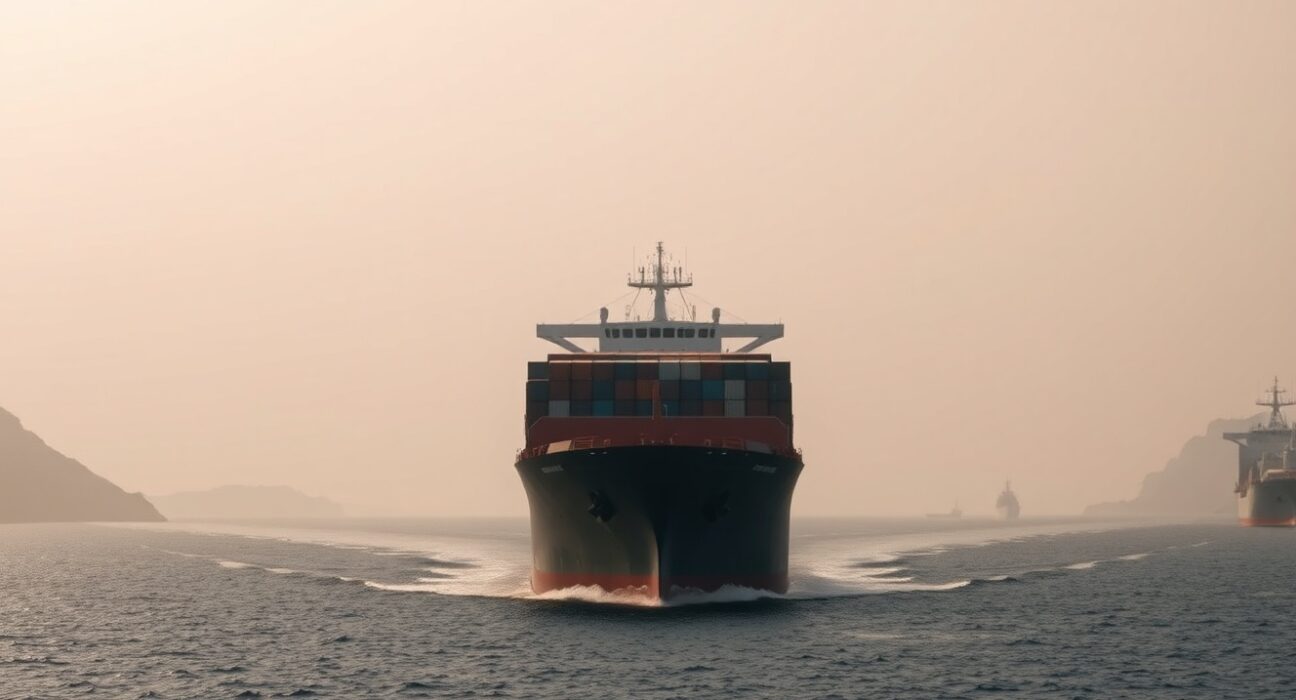
The bank specifically highlighted the risk of continued disruptions to maritime transport through the Strait of Hormuz, a critical chokepoint for global oil shipments. Citi estimates that a blockade or harassment of commercial vessels in the strait will occur intermittently over the next four to eight weeks. This timeline suggests that markets and supply chains should prepare for sustained volatility rather than a quick resolution.
The Strait of Hormuz handles roughly 20% of the world’s petroleum transit, making any disruption a significant concern for energy prices and global trade. Past incidents, including the 2019 attacks on Saudi Aramco facilities and the 2023 seizures of tankers by Iranian forces, underscore the region’s volatility.
Iran’s Strategic Calculus: Delay as Leverage
Citi’s analysis further suggests that Iran has little incentive to quickly de-escalate. The bank noted that Tehran is likely to prolong the period of tension to strengthen its negotiating position and secure revenue streams, potentially through informal channels or by leveraging its control over key shipping lanes. This strategy mirrors historical patterns where Iran has used asymmetric tactics to exert pressure without triggering a full-scale military confrontation.
For the United States and its allies, this creates a complex diplomatic challenge. Any summit between Washington and Beijing may address broader bilateral trade and security issues, but Citi’s assessment indicates that Iran’s regional ambitions and economic motivations are unlikely to be swayed by high-level talks alone.
Implications for Global Markets and Shipping
The practical impact for global shippers and energy traders is clear: insurance premiums for vessels transiting the Persian Gulf are likely to rise, and alternative routes—though longer and costlier—may see increased traffic. Oil prices, which have already shown sensitivity to Middle East tensions, could experience further upward pressure if disruptions escalate.
For investors, the key takeaway from Citi’s report is the expectation of a prolonged period of uncertainty rather than a swift diplomatic breakthrough. This suggests that hedging strategies and supply chain diversification should remain priorities for the foreseeable future.
Conclusion
While a US-China summit may address some geopolitical friction, Citigroup’s research underscores that the US-Iran conflict is driven by factors largely independent of the bilateral relationship. The bank’s projection of continued Strait of Hormuz disruptions and Iran’s strategic use of delay tactics points to a scenario where diplomatic engagement yields limited short-term results. Market participants and policymakers should plan for a sustained period of elevated risk in the region.
FAQs
Q1: Why does Citi believe a US-China summit won’t resolve the Iran conflict?
A1: Citi’s analysis indicates that Iran’s motivations—including revenue generation and strategic leverage—are not directly tied to US-China diplomatic outcomes. The bank views the conflict as driven by regional and economic factors that a bilateral summit is unlikely to address.
Q2: How long are Strait of Hormuz disruptions expected to last?
A2: Citigroup projects intermittent disruptions to maritime transport for the next four to eight weeks, suggesting a medium-term period of instability rather than a quick resolution.
Q3: What are the broader implications for oil prices and global trade?
A3: Continued disruptions in the Strait of Hormuz could increase oil price volatility, raise shipping insurance costs, and push some vessels to use alternative, longer routes. Investors and supply chain managers should prepare for sustained uncertainty.
Disclaimer: The information provided is not trading advice, Bitcoinworld.co.in holds no liability for any investments made based on the information provided on this page. We strongly recommend independent research and/or consultation with a qualified professional before making any investment decisions.
