

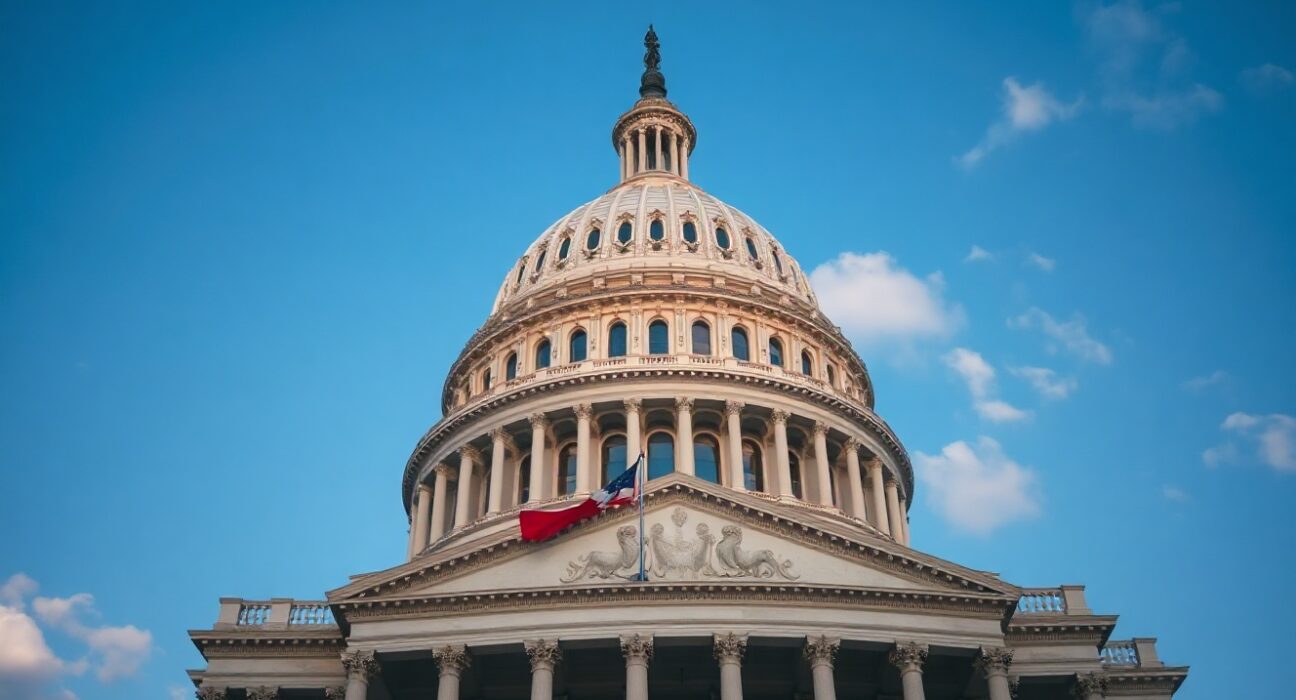
A proposed ethics provision in the CLARITY Act, a cryptocurrency market structure bill, could require President Donald Trump to divest his crypto-related business interests — but doing so might also allow him to defer or avoid millions in federal capital gains taxes, according to a new Bloomberg report.
The provision, introduced by Republican Sen. Thom Tillis and Democratic Sen. Ruben Gallego, is seen as a potential compromise to advance the bill in the Senate. It would mandate that the president sell his holdings in cryptocurrency ventures, a move aimed at addressing conflicts of interest. However, Bloomberg notes that the forced sale could trigger tax deferral mechanisms under federal law, potentially shielding a significant portion of the gains from immediate taxation.
How the Tax Deferral Would Work
Under U.S. tax law, certain involuntary conversions or divestitures can qualify for like-kind exchange treatment or other deferral provisions. If Trump’s crypto holdings are sold under the ethics provision, he might be able to reinvest the proceeds in similar assets and defer capital gains taxes indefinitely. In some cases, if the assets are held until death, the tax liability could be eliminated entirely due to the step-up in basis at death.
Bloomberg’s analysis suggests the tax savings could amount to millions of dollars, depending on the size and cost basis of Trump’s crypto portfolio. The report did not specify the exact value of his holdings, but Trump has been involved in several crypto ventures, including a family-backed DeFi platform and NFT collections.
Enforcement and Political Implications
The Bloomberg report also highlighted that the proposal would grant state attorneys general the authority to enforce the ethics provision, a key sticking point in Senate negotiations. This enforcement mechanism is designed to ensure compliance, but it has drawn criticism from some Republicans who argue it oversteps federal authority.
The CLARITY Act, formally known as the Crypto Law and Investor Transparency Act, aims to establish a regulatory framework for digital assets, clarifying whether they are securities or commodities. The bill has bipartisan support, but the ethics provision has become a focal point of debate.
Why This Matters
For readers, this story underscores the intersection of politics, cryptocurrency regulation, and tax policy. If enacted, the provision could set a precedent for how presidents handle business interests while in office, and it could have significant financial implications for Trump. It also highlights the complexity of taxing crypto assets, a growing concern for policymakers and investors alike.
Conclusion
The proposed ethics provision in the CLARITY Act presents a double-edged sword: it aims to address conflicts of interest but could inadvertently provide Trump with substantial tax benefits. As the Senate debates the bill, the outcome will be closely watched by both political observers and the crypto industry. The final version of the provision, if any, will determine whether these tax savings materialize.
FAQs
Q1: What is the CLARITY Act?
The CLARITY Act (Crypto Law and Investor Transparency Act) is a proposed U.S. law aimed at providing a regulatory framework for digital assets, defining whether they are securities or commodities.
Q2: How could the ethics provision save Trump millions in taxes?
If Trump is forced to sell his crypto holdings, he could defer capital gains taxes by reinvesting in similar assets (like-kind exchange) or potentially avoid them if the assets are held until death, due to the step-up in basis.
Q3: Who would enforce the ethics provision?
The provision would give state attorneys general the authority to enforce it, which is a key point of contention in the Senate.
Disclaimer: The information provided is not trading advice, Bitcoinworld.co.in holds no liability for any investments made based on the information provided on this page. We strongly recommend independent research and/or consultation with a qualified professional before making any investment decisions.
