

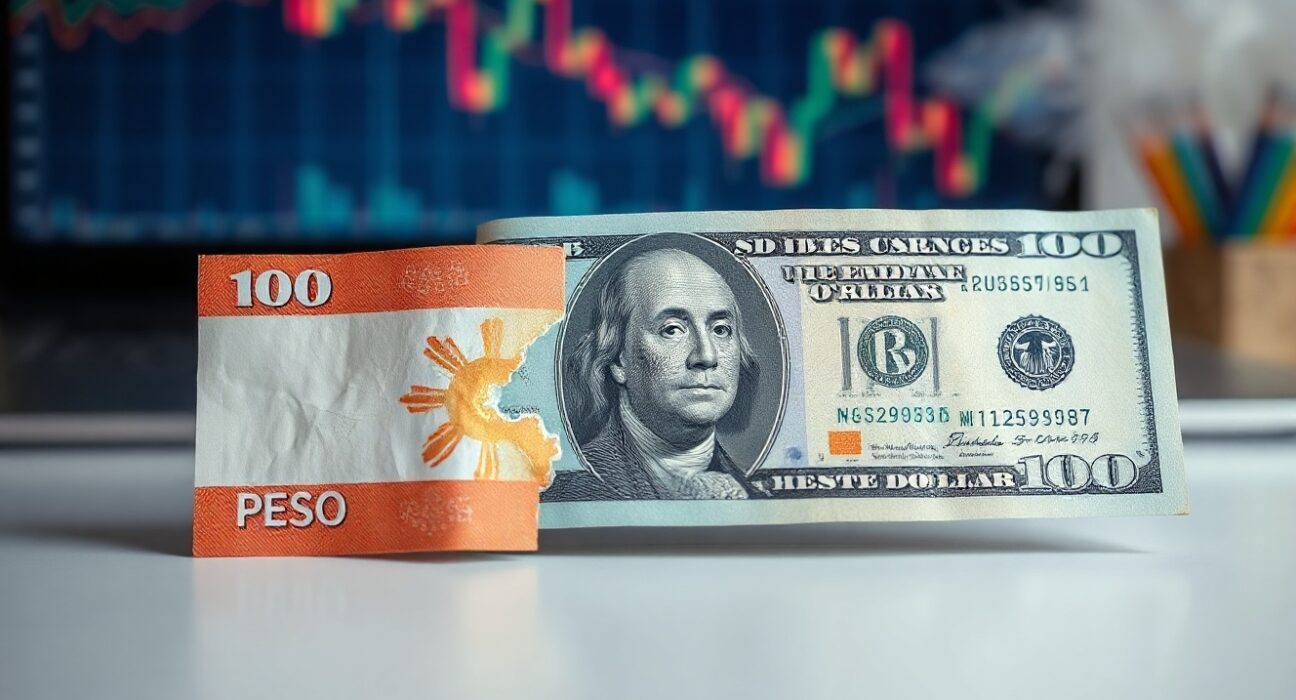
The Philippine peso is facing downward pressure against the US dollar as domestic inflation concerns and political uncertainties weigh on investor sentiment, according to a recent analysis from ING.
What is driving the peso’s weakness?
ING’s analysts point to a combination of factors, including elevated inflation that erodes the currency’s purchasing power and political developments that may undermine policy credibility. The peso has been fluctuating near its weakest levels in recent months, with the USD/PHP pair hovering around the 56-57 range as of early 2025.
Inflation in the Philippines has remained above the central bank’s 2-4% target band, driven by higher food and energy costs. This has prompted the Bangko Sentral ng Pilipinas (BSP) to maintain a cautious stance, though it has paused its tightening cycle to support economic growth.
How do politics factor into the currency outlook?
Political events, including debates over fiscal policy and potential leadership changes, add another layer of uncertainty. ING notes that such factors can affect foreign investor confidence, leading to capital outflows and additional depreciation pressure on the peso.
The US dollar’s strength, supported by the Federal Reserve’s higher-for-longer interest rate stance, further complicates the picture. A strong dollar typically weighs on emerging market currencies, including the peso.
What should investors watch?
Key indicators to monitor include Philippine inflation data, BSP policy signals, and US Federal Reserve decisions. Any surprise in these areas could trigger sharper moves in USD/PHP.
ING suggests that the peso’s trajectory will largely depend on whether the BSP can effectively manage inflation expectations while supporting growth, and whether political stability improves to attract foreign investment.
Conclusion
In summary, the Philippine peso faces a challenging environment marked by inflationary pressures and political uncertainty, with ING highlighting these as key factors behind its recent underperformance. The outlook remains sensitive to both domestic and global developments, making careful monitoring essential for market participants.
FAQs
Q1: Why is the Philippine peso weakening?
The peso is under pressure due to elevated inflation, which erodes purchasing power, and political uncertainties that may reduce investor confidence. A strong US dollar also contributes to the peso’s decline.
Q2: What is the BSP’s role in supporting the peso?
The Bangko Sentral ng Pilipinas can adjust interest rates to influence inflation and currency stability. However, it must balance these goals with supporting economic growth, which limits its ability to aggressively hike rates.
Q3: How does the US Federal Reserve affect the Philippine peso?
When the Fed raises interest rates or signals a prolonged hawkish stance, the US dollar strengthens, making emerging market currencies like the peso less attractive. This can lead to capital outflows and further peso depreciation.
Disclaimer: The information provided is not trading advice, Bitcoinworld.co.in holds no liability for any investments made based on the information provided on this page. We strongly recommend independent research and/or consultation with a qualified professional before making any investment decisions.
