

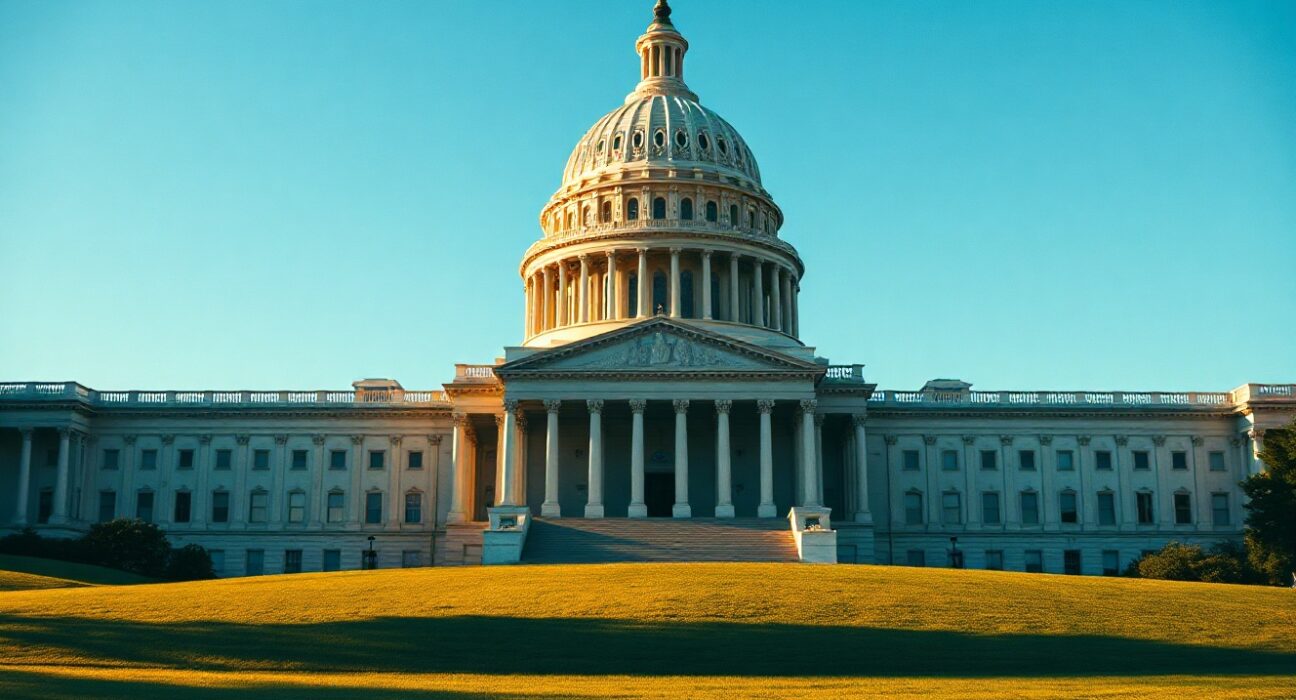
U.S. congressional leaders have reached a bipartisan agreement on a sweeping infrastructure and housing bill that includes a notable provision: a prohibition on the Federal Reserve issuing a central bank digital currency (CBDC) until at least 2030. The development, first reported by Bloomberg, marks the most significant legislative action on a digital dollar to date.
What the Bill Contains
The so-called 21st Century Housing and Roads Act is primarily focused on infrastructure spending and housing policy. However, a carefully negotiated clause inserted into the final text explicitly bars the Federal Reserve from launching, piloting, or distributing a CBDC for the next six years. The provision effectively freezes the Fed’s digital currency research and development efforts in their current experimental phase, preventing any move toward public issuance.
Why Congress Acted Now
Lawmakers from both parties have expressed concerns about privacy, surveillance, and the potential for a government-controlled digital currency to disrupt the existing banking system. Critics argue that a Fed-issued CBDC could allow the government to monitor individual transactions or even impose negative interest rates directly on consumers. Supporters of the ban contend that the technology and policy frameworks are not mature enough for such a significant shift in monetary infrastructure.
The provision does not prohibit private-sector stablecoins or other digital payment innovations. It specifically targets the Federal Reserve’s ability to issue a retail CBDC directly to the public.
Impact on the Digital Dollar Debate
The ban delays but does not permanently kill the idea of a U.S. CBDC. The 2030 sunset clause means the next Congress and administration will revisit the issue. In the meantime, the Federal Reserve can continue internal research and pilot programs, but it cannot move toward a live public system. This gives lawmakers time to craft more detailed regulatory frameworks for digital currencies without the pressure of an imminent Fed launch.
Internationally, the U.S. position contrasts with other major economies. China’s digital yuan is already in widespread pilot testing, and the European Central Bank is advancing its digital euro project. The congressional ban may slow U.S. competitiveness in central bank digital currency development, though supporters argue it protects financial stability and consumer privacy.
Conclusion
The inclusion of a CBDC prohibition in a major infrastructure bill signals that Congress intends to assert its authority over digital currency policy. The 2030 deadline provides a clear legislative timeline, but the debate over the digital dollar’s role in the American financial system is far from settled. For now, the Federal Reserve’s digital currency ambitions are on hold.
FAQs
Q1: Does this bill ban all digital currencies in the U.S.?
No. The provision only prevents the Federal Reserve from issuing a central bank digital currency. Private cryptocurrencies, stablecoins, and other digital assets remain legal and unaffected by this specific clause.
Q2: Why 2030 specifically?
The 2030 date was a compromise between lawmakers who wanted a permanent ban and those who wanted no restriction at all. It gives Congress time to study the issue further while preventing any immediate Fed action.
Q3: Can the Federal Reserve still research CBDCs?
Yes. The bill restricts issuance and public distribution, not research. The Fed can continue technical studies, pilot programs in controlled environments, and policy analysis, as long as no public-facing digital dollar is released.
Disclaimer: The information provided is not trading advice, Bitcoinworld.co.in holds no liability for any investments made based on the information provided on this page. We strongly recommend independent research and/or consultation with a qualified professional before making any investment decisions.
