

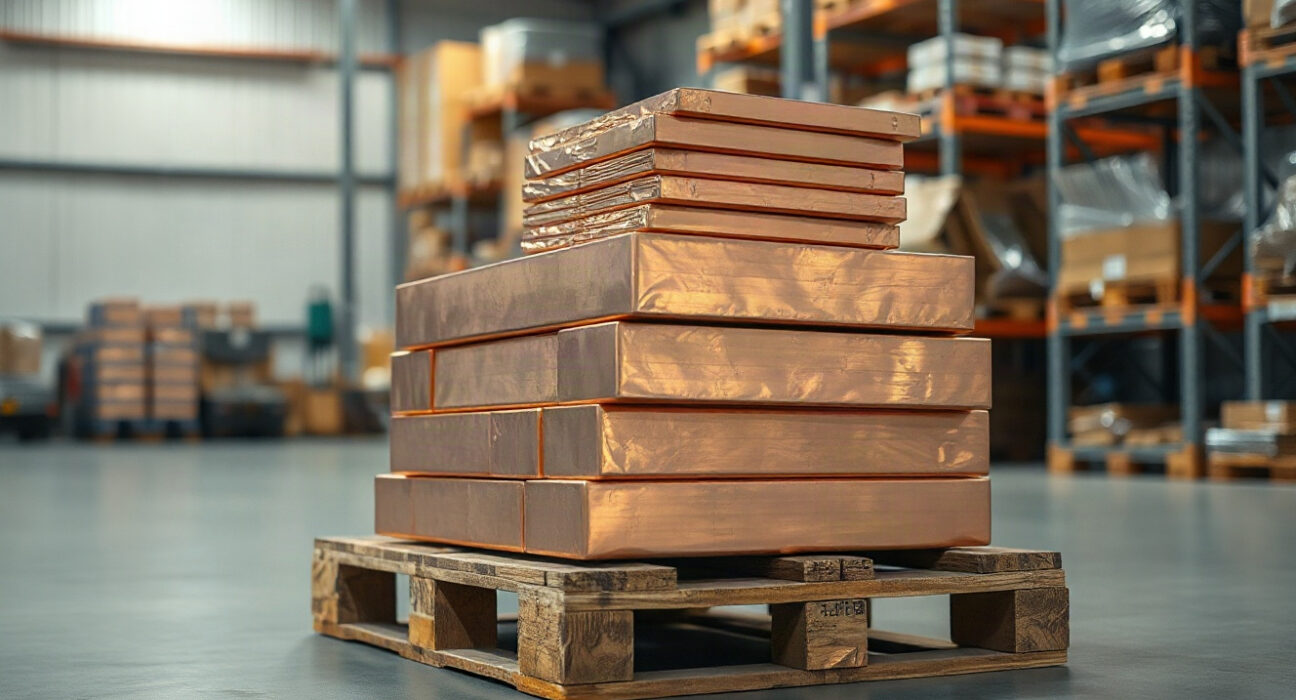
Societe Generale has highlighted that artificial intelligence (AI) is fundamentally reshaping copper pricing dynamics, driven by surging demand from data centers, power grids, and advanced technologies. As of early 2025, the bank’s analysis points to a structural shift in the copper market, where AI-related applications are becoming a significant demand driver, potentially leading to sustained price increases and supply challenges.
AI’s Growing Appetite for Copper
AI’s expansion is heavily reliant on copper, a critical component in electrical wiring, cooling systems, and infrastructure for data centers. Societe Generale’s report notes that the rapid build-out of AI infrastructure is accelerating copper consumption at a pace that outstrips traditional demand forecasts. This is not just a marginal uptick; the bank suggests that AI could account for a substantial portion of future copper demand growth, making it a key factor in long-term pricing.
The shift is evident in the scale of investment. Tech giants are pouring billions into new data centers, each requiring thousands of tons of copper. For instance, a typical hyperscale data center can use up to 50,000 tons of copper, a figure that underscores the material intensity of AI. This demand is coinciding with constrained supply, as copper mines face declining ore grades, water scarcity, and permitting delays, creating a tight market that is sensitive to any demand surprise.
Market Implications and Price Outlook
Societe Generale’s analysis suggests that the copper market is entering a period of persistent deficits, which could keep prices elevated and volatile. The bank’s commodity strategists point to a structural supply-demand gap that is likely to widen as AI adoption accelerates. This view aligns with other industry forecasts that see copper prices reaching new highs, potentially exceeding $12,000 per ton in the coming years, up from around $9,500 in early 2025.
The implications extend beyond the commodity itself. For investors, copper is increasingly viewed as a proxy for the AI trade, offering exposure to the electrification and digitalization trends. For manufacturers and technology companies, rising copper costs could pressure margins, especially in sectors like electronics and electric vehicles. Policymakers are also taking note, with copper being added to critical minerals lists in the US and EU, recognizing its strategic importance.
Why This Matters for the Energy Transition
The AI-driven demand surge comes at a time when the world is also pushing for electrification and renewable energy, both of which are copper-intensive. Solar and wind farms, battery storage, and EV charging networks all require significant copper. This convergence of demand drivers—AI and the energy transition—creates a dual pressure on supply, making copper one of the most strategically important metals of the decade. Understanding this dynamic is crucial for businesses and governments planning for a low-carbon, digitally-driven future.
Conclusion
Societe Generale’s report underscores a pivotal moment for copper, where AI is not just a passing trend but a fundamental demand shaper. As the world becomes more digital and electrified, copper’s role is expanding, and the market is responding with price signals that reflect its new strategic value. For stakeholders, from miners to tech companies, adapting to this new reality is essential for navigating the years ahead.
FAQs
Q1: How does AI specifically increase copper demand?
AI increases copper demand primarily through the construction and operation of data centers, which require extensive copper wiring for power distribution, cooling systems, and network infrastructure. Additionally, the broader digital economy, including 5G networks and IoT devices, relies on copper, and AI’s growth accelerates these trends.
Q2: What are the main supply constraints for copper?
Copper supply is constrained by declining ore grades at existing mines, a lack of new major discoveries, environmental and water usage concerns, and lengthy permitting processes. Political instability in key producing regions like Chile and Peru also adds to supply risk.
Q3: Is copper a good investment for the AI boom?
Many analysts view copper as a strategic investment for the AI boom due to its essential role in electrification and digital infrastructure. However, like all commodities, it carries risks, including price volatility and demand shifts. Investors should consider copper as part of a diversified portfolio, with a long-term perspective on supply-demand fundamentals.
Disclaimer: The information provided is not trading advice, Bitcoinworld.co.in holds no liability for any investments made based on the information provided on this page. We strongly recommend independent research and/or consultation with a qualified professional before making any investment decisions.
