

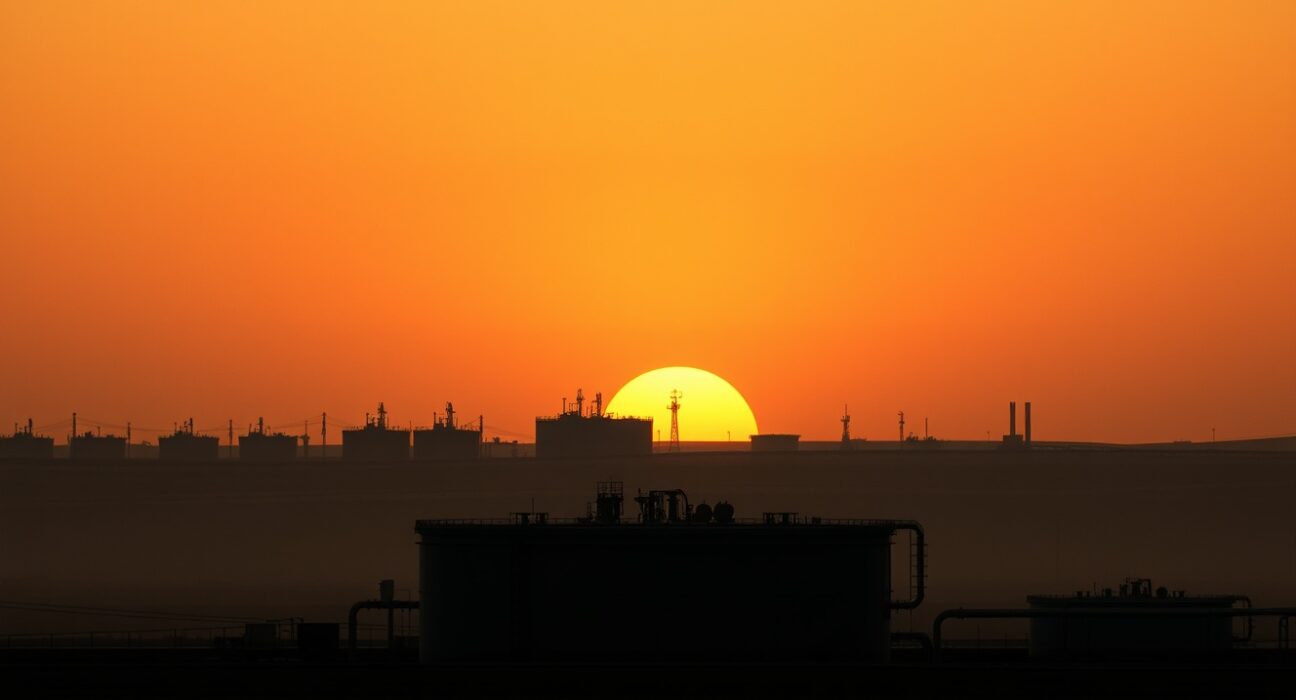
Crude oil markets are experiencing a notable shift as the geopolitical risk premium that has buoyed prices for months rapidly dissipates. Simultaneously, signs of weakening global demand are emerging, leaving traders and analysts reassessing the outlook for the commodity. The combination of easing tensions in key producing regions and a softening economic backdrop is creating a challenging environment for crude prices.
The Fading Geopolitical Risk Premium
For much of the past year, crude oil prices have been supported by a significant risk premium linked to conflicts and supply disruptions in the Middle East and Eastern Europe. However, recent diplomatic efforts and a stabilization of production flows have begun to erode this premium. Market participants are now pricing in a lower probability of major supply outages, removing a key pillar of support that had kept prices elevated. The reduction in perceived risk is allowing fundamentals—namely supply and demand—to reassert themselves as the primary price drivers.
Demand Weakness Takes Center Stage
While the supply side has been relatively resilient, demand signals are turning increasingly bearish. Economic data from major consuming nations, including China and parts of Europe, points to slower industrial activity and reduced fuel consumption. The transportation sector, a major driver of oil demand, is also showing signs of plateauing as electric vehicle adoption accelerates and efficiency improvements reduce per capita fuel use. Refinery margins have compressed, suggesting that end-user demand for refined products is not keeping pace with available supply.
Implications for Producers and Consumers
For oil-producing nations and companies, the current environment presents a revenue challenge. Budgets that were set based on higher price assumptions may come under pressure, potentially leading to reduced capital expenditure in new projects. For consumers, particularly in fuel-importing countries, lower crude prices offer a welcome relief from inflationary pressures, reducing costs for transportation, heating, and industrial inputs. This dynamic could provide a modest tailwind for economic activity in energy-dependent regions.
Conclusion
The crude oil market is undergoing a fundamental repricing as the war premium fades and demand growth stalls. While geopolitical risks remain a potential wildcard, the prevailing trend suggests a period of lower prices unless a significant supply disruption or unexpected demand resurgence occurs. Investors and industry stakeholders should prepare for a market that is increasingly driven by economic fundamentals rather than conflict-driven speculation.
FAQs
Q1: What is the geopolitical risk premium in oil markets?
The geopolitical risk premium is the extra cost built into oil prices due to the perceived risk of supply disruptions from conflicts or political instability in major producing regions. When tensions ease, this premium declines.
Q2: Why is global oil demand weakening?
Demand is softening due to slower economic growth in key markets like China and Europe, increased energy efficiency, and the growing adoption of electric vehicles, which reduce reliance on petroleum-based fuels.
Q3: How do lower crude oil prices affect the average consumer?
Lower crude prices typically lead to reduced costs for gasoline, diesel, heating oil, and jet fuel, lowering transportation and energy expenses for households and businesses, which can help ease inflation.
Disclaimer: The information provided is not trading advice, Bitcoinworld.co.in holds no liability for any investments made based on the information provided on this page. We strongly recommend independent research and/or consultation with a qualified professional before making any investment decisions.
