

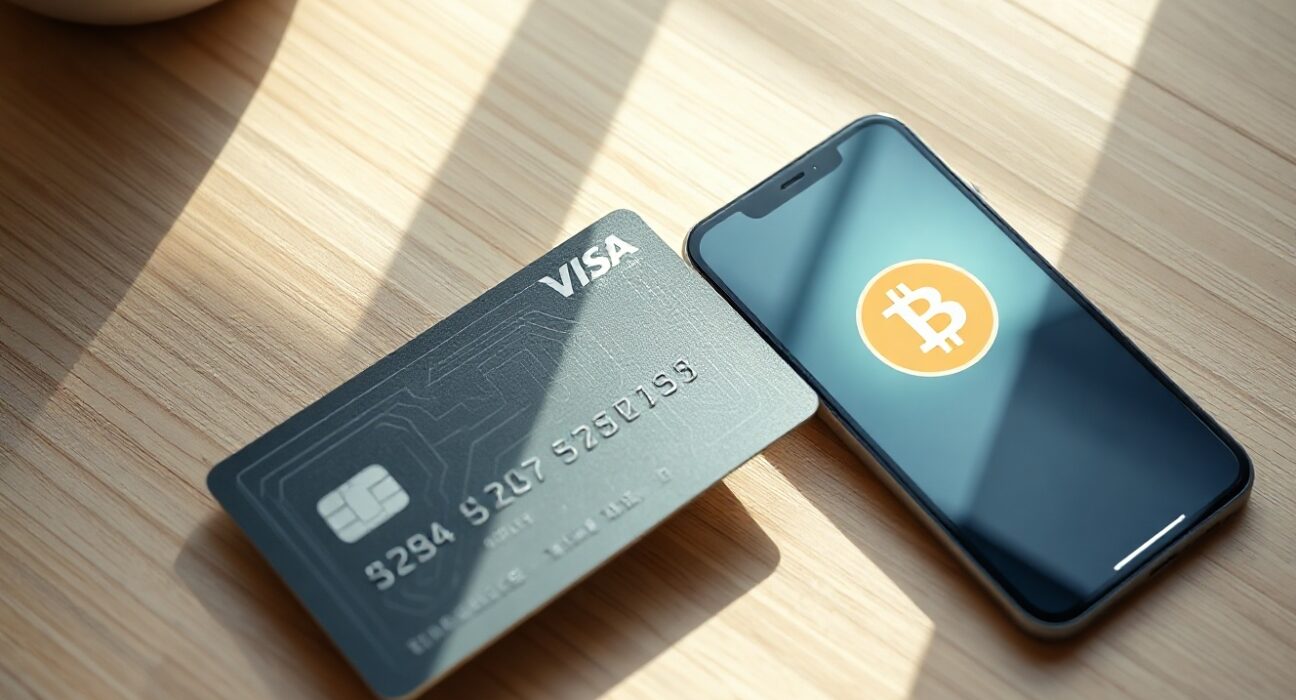
The total amount loaded onto cryptocurrency payment cards has exceeded $10 billion for the first time, according to data from Paymentscan.xyz reported by Cointelegraph. As of June 2024, cumulative top-ups have surged approximately 82% since the start of the year and roughly 250% compared to the same period last year.
What This Milestone Means for Crypto Adoption
Crossing the $10 billion threshold is more than a numerical achievement — it signals a growing willingness among users to spend digital assets in everyday transactions. Crypto payment cards, which allow holders to convert cryptocurrencies into fiat currency at the point of sale, have become a practical bridge between the digital asset ecosystem and traditional commerce.
The sharp acceleration in top-ups during 2024 suggests that consumer confidence in using crypto for daily purchases is strengthening, even amid regulatory uncertainty in several major markets. This trend aligns with broader data showing increased merchant acceptance of crypto payments and the expansion of crypto-linked debit and credit card programs by major financial platforms.
Drivers Behind the Surge
Several factors have contributed to this record growth. The introduction of more user-friendly card interfaces, lower transaction fees on certain networks, and the integration of crypto cards with popular mobile payment systems have lowered barriers to entry. Additionally, the recent rally in Bitcoin and other major cryptocurrencies has increased the spending power of holders, encouraging more frequent use.
Regional adoption patterns also play a role. Markets in Latin America and parts of Asia, where traditional banking infrastructure is less accessible, have seen particularly strong uptake of crypto cards as an alternative payment method.
Implications for the Payments Industry
This milestone underscores a shift in consumer behavior that traditional payment networks cannot ignore. As crypto card top-ups continue to grow, legacy financial institutions may face increasing pressure to offer compatible services or risk losing a segment of tech-savvy users. For regulators, the data provides a tangible measure of the sector’s real-world footprint, which could inform future policy decisions around digital asset taxation and consumer protection.
Conclusion
The $10 billion top-up milestone reflects a maturing market where cryptocurrency is transitioning from a speculative asset to a functional medium of exchange. While challenges remain — including regulatory fragmentation and volatility — the sustained growth in card usage indicates that crypto is carving out a durable role in the global payments landscape.
FAQs
Q1: What are cryptocurrency payment cards?
They are debit or prepaid cards that allow users to spend cryptocurrencies like Bitcoin or Ethereum at merchants that accept standard card payments, by converting the crypto to fiat currency at the time of transaction.
Q2: How do crypto card top-ups work?
Users deposit cryptocurrency into a card-linked wallet, which is then converted to fiat and made available for spending. The top-up amount represents the total value loaded onto these cards over time.
Q3: Why has the top-up volume increased so rapidly in 2024?
Factors include improved user experience, rising crypto asset values, broader merchant acceptance, and growing consumer familiarity with digital asset spending tools.
Disclaimer: The information provided is not trading advice, Bitcoinworld.co.in holds no liability for any investments made based on the information provided on this page. We strongly recommend independent research and/or consultation with a qualified professional before making any investment decisions.
