

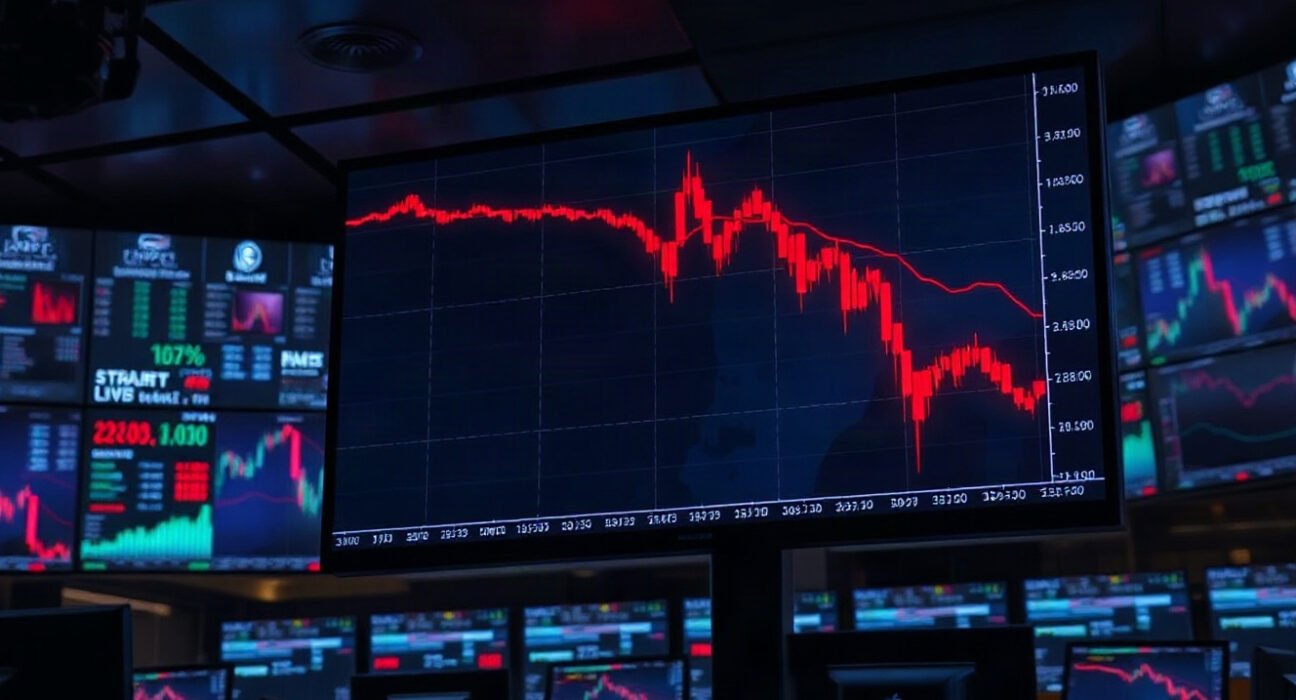
The cryptocurrency market experienced a sudden surge in volatility, leading to over $107 million in futures liquidations across major exchanges within a single hour. Data from derivatives tracking platforms indicates that the total liquidations over the past 24 hours have reached $378 million, reflecting heightened risk and rapid price movements.
What Triggered the Liquidations?
While the exact cause of the sharp price swings remains unclear, market analysts point to a combination of factors, including thin liquidity during off-peak trading hours and a buildup of leveraged positions. When prices move against these leveraged traders, exchanges automatically close positions to prevent losses from exceeding account balances, triggering cascading liquidations that can amplify price declines.
The majority of the liquidated positions were long contracts, meaning traders who bet on rising prices were caught off guard by the sudden downturn. However, a smaller portion of short positions were also liquidated, indicating that the market is experiencing two-way volatility rather than a one-directional move.
Market Impact and Context
This liquidation event comes at a time when the broader cryptocurrency market has been consolidating after a period of relative stability. Bitcoin, the largest cryptocurrency by market capitalization, has been trading within a narrow range, but today’s action suggests that traders are positioning for a potential breakout in either direction.
Historically, such liquidation events have often preceded increased volatility. The derivatives market plays a significant role in price discovery, and when large volumes of leveraged positions are forced to close, it can lead to sharp short-term price movements. However, it is important to note that these events do not necessarily indicate a long-term trend change.
Why This Matters to Traders
For active traders, understanding liquidation data is crucial for risk management. The concentration of liquidations can signal where stop-loss orders may be clustered, potentially leading to support or resistance levels. Additionally, high liquidation volumes often indicate excessive leverage in the market, which can lead to more volatile trading conditions in the coming days.
Retail investors, on the other hand, should view these events as a reminder of the risks associated with leveraged trading. The crypto market is known for its rapid price swings, and using high leverage can result in significant losses, as evidenced by the $378 million in liquidations over the past day.
Conclusion
The $107 million in hourly liquidations and $378 million in daily liquidations highlight the ongoing volatility in the cryptocurrency derivatives market. While such events are not uncommon, they serve as a stark reminder of the risks inherent in leveraged trading. As the market continues to react to global economic factors and shifting investor sentiment, traders should remain cautious and stay informed about the forces driving price movements.
FAQs
Q1: What are futures liquidations?
Futures liquidations occur when a trader’s position is automatically closed by the exchange because the margin balance falls below the required maintenance level. This typically happens when the market moves against the trader’s position, and the exchange steps in to prevent further losses.
Q2: Why do liquidations often happen in waves?
Liquidations can trigger a cascade effect. When one large position is liquidated, it can push the price further in the same direction, causing other leveraged positions to also breach their margin requirements. This can lead to a rapid series of forced closures, amplifying price movements.
Q3: How can traders protect themselves from liquidation risk?
Traders can reduce liquidation risk by using lower leverage, setting stop-loss orders, and maintaining a sufficient margin buffer. It is also important to monitor market conditions and avoid over-leveraging during periods of high volatility.
Disclaimer: The information provided is not trading advice, Bitcoinworld.co.in holds no liability for any investments made based on the information provided on this page. We strongly recommend independent research and/or consultation with a qualified professional before making any investment decisions.
