

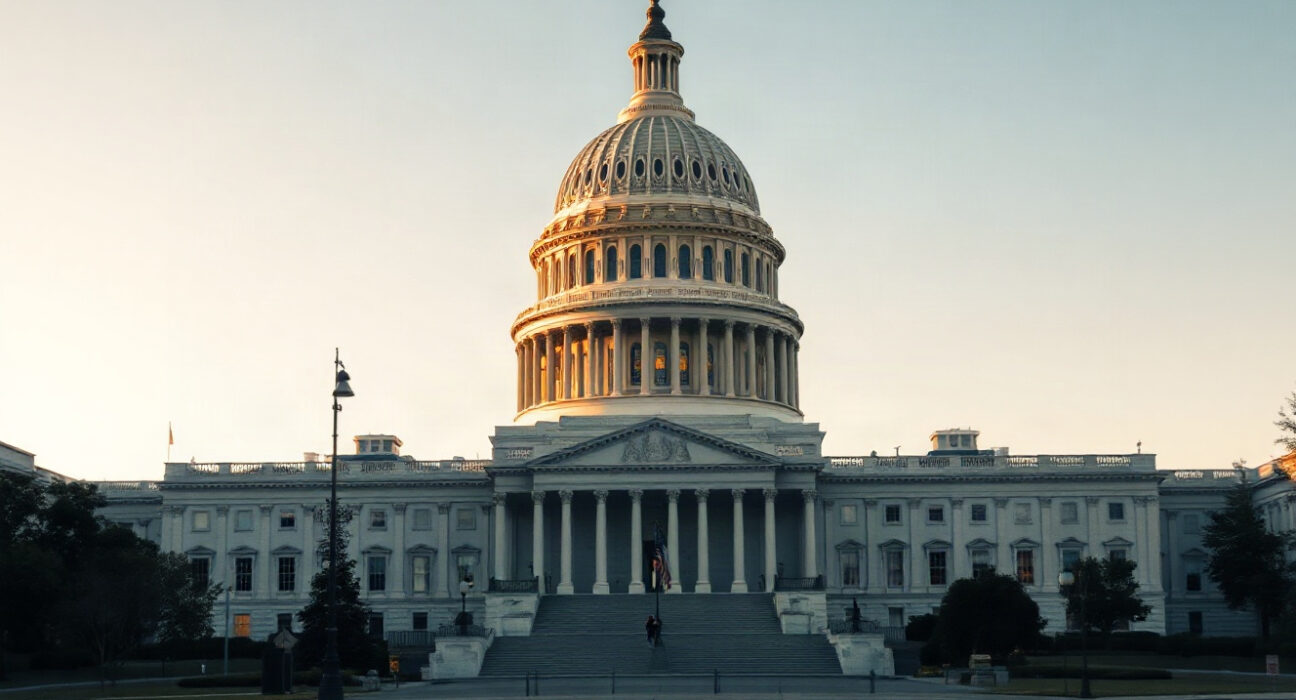
The cryptocurrency industry is growing increasingly pessimistic about the passage of the CLARITY Act this year, according to a CNBC report. The bill, which aims to establish a comprehensive regulatory framework for digital assets, faces a critical Senate vote on Sept. 15, but several unresolved issues and political headwinds have cast doubt on its prospects.
What the CLARITY Act Proposes
The CLARITY Act would create a clear regulatory structure for the crypto market, dividing oversight responsibilities between the U.S. Securities and Exchange Commission (SEC) and the Commodity Futures Trading Commission (CFTC). It also includes registration requirements for crypto businesses and anti-money laundering (AML) provisions. Proponents argue that such a framework is essential for legal clarity and mainstream adoption, while critics have raised concerns about specific provisions.
Key Sticking Points
According to CNBC, the bill’s original timeline collapsed after the Senate failed to hold a vote before its August recess. Two major issues remain unresolved: whether to allow interest payments on stablecoins, and ethics clauses tied to President Donald Trump and his family’s crypto business activities. These provisions have sparked debate among lawmakers and industry stakeholders, further complicating negotiations.
Industry and Political Reactions
At the Wyoming Blockchain Symposium last month, SALT CEO John Darsie expressed personal pessimism about the bill’s chances, noting that it was unlikely to pass ahead of the midterm elections. Former New York Gov. Andrew Cuomo warned that if the CLARITY Act does not pass before the midterms and Democrats take control of the House, regulatory conflict between Congress and the administration could persist for a prolonged period.
The uncertainty has left many in the crypto industry concerned about the lack of regulatory clarity, which could hinder innovation and investment. A delay would also mean continued fragmentation in how different states and federal agencies approach digital assets.
Conclusion
While the CLARITY Act represents a significant attempt to bring regulatory certainty to the crypto market, its future remains uncertain. The upcoming Senate vote will be a key indicator of whether meaningful progress can be made this year, or if the industry must wait for a more favorable political climate. For now, stakeholders are bracing for continued ambiguity.
FAQs
Q1: What is the CLARITY Act?
The CLARITY Act is a proposed U.S. federal law that would establish a regulatory framework for cryptocurrency markets, dividing oversight between the SEC and CFTC, and setting registration and anti-money laundering requirements for crypto businesses.
Q2: Why is the bill facing delays?
The bill missed its original timeline after the Senate failed to vote before the August recess. Disagreements over stablecoin interest payments and ethics provisions related to President Trump’s family crypto businesses have also slowed progress.
Q3: What could happen if the bill doesn’t pass this year?
If the CLARITY Act fails to pass, the crypto industry will likely continue operating under a patchwork of state and federal regulations, potentially leading to prolonged regulatory uncertainty and conflict between Congress and the administration, especially if political control shifts after the midterms.
Disclaimer: The information provided is not trading advice, Bitcoinworld.co.in holds no liability for any investments made based on the information provided on this page. We strongly recommend independent research and/or consultation with a qualified professional before making any investment decisions.
