

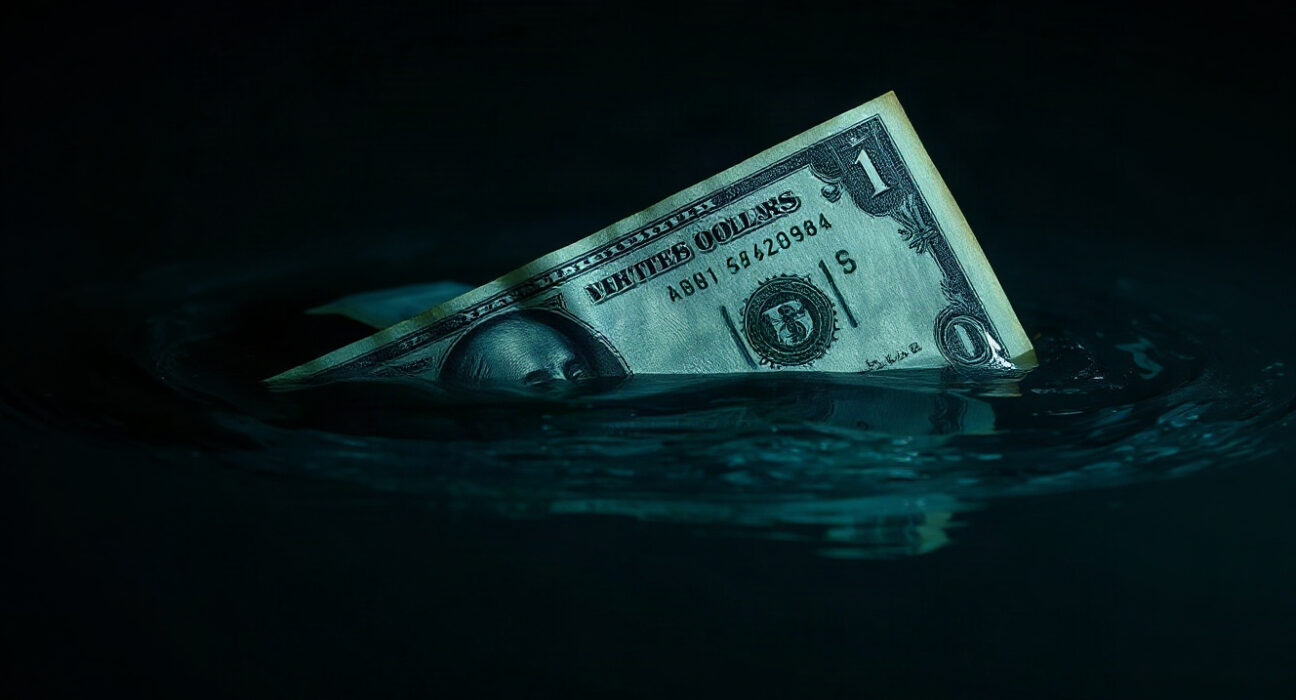
The ‘debasement trade’—a strategy betting on the decline of fiat currencies—has gained renewed attention as investors question the long-term stability of the US dollar, the world’s primary reserve currency. While the dollar remains dominant today, a combination of rising national debt, inflationary pressures, and geopolitical shifts has sparked debate over whether its status could erode. This article examines the forces behind the debasement trade and what a potential dollar decline could mean for global markets and everyday consumers.
What Is the Debasement Trade?
The debasement trade refers to investment strategies that profit from the anticipated loss of purchasing power of fiat currencies, particularly the US dollar. Investors typically move into hard assets like gold, silver, and cryptocurrencies, or into foreign currencies perceived as more stable. The term ‘debasement’ historically described the practice of reducing the precious metal content in coins, but today it applies to central bank policies that increase money supply, diluting the value of each unit.
This strategy has gained traction during periods of aggressive monetary expansion, such as the quantitative easing programs following the 2008 financial crisis and the pandemic-era stimulus. As of 2025, the US national debt exceeds $35 trillion, and annual deficits continue to run above $1.5 trillion, fueling concerns about fiscal sustainability. When governments issue debt to fund spending, central banks may monetize that debt, effectively printing money and devaluing the currency.
Signs of Dollar Vulnerability
Several indicators suggest that the dollar’s dominance is not as absolute as it once was. According to the International Monetary Fund, the dollar’s share of global foreign exchange reserves has declined from over 70% in 2000 to about 58% as of 2024. Central banks, particularly in emerging economies, have been diversifying their reserves into gold and other currencies, including the Chinese yuan.
Geopolitical events have also accelerated this trend. Sanctions imposed on Russia after its invasion of Ukraine prompted many countries to reconsider their reliance on the dollar-based financial system. In 2022, the US and its allies froze over $300 billion in Russian central bank assets, sending a signal to other nations that dollar holdings could be weaponized. As a result, some countries have increased bilateral trade settlements in non-dollar currencies, though the dollar still facilitates the vast majority of global transactions.
Inflation and Purchasing Power
Inflation is the most direct way debasement affects ordinary citizens. When the money supply grows faster than economic output, each dollar buys less. In the US, the Consumer Price Index rose by 9.1% in June 2022, the highest in four decades, and while inflation has moderated to around 3% as of late 2025, the cumulative loss of purchasing power since 2020 is significant. For example, $100 in January 2020 had the same purchasing power as roughly $122 in October 2025, according to the Bureau of Labor Statistics.
This erosion of purchasing power is a key driver of the debasement trade. Investors seek assets that historically retain value during inflationary periods. Gold, for instance, has risen from around $1,800 per ounce in early 2020 to over $2,700 per ounce in late 2025, reflecting its appeal as a hedge against currency debasement.
Why the Dollar’s Reserve Status Matters
The dollar’s status as the world’s primary reserve currency confers significant advantages to the United States. It allows the government to borrow at lower interest rates, as global demand for US Treasuries remains high. It also enables American consumers to enjoy lower prices on imported goods, as foreign producers often price their exports in dollars. Moreover, the dollar’s dominance gives the US significant leverage in international finance and sanctions policy.
If the dollar were to lose its reserve status, the consequences would be profound. The US would face higher borrowing costs, potentially leading to increased taxes or reduced government services. Imported goods would become more expensive, fueling inflation. The value of the dollar would likely decline, making foreign travel and overseas investments costlier for Americans. However, such a shift would likely be gradual, as no single currency currently possesses the liquidity, stability, and institutional backing to replace the dollar overnight.
What Could Trigger a Debasement Crisis?
A full-blown debasement crisis would require a loss of confidence in the US government’s ability to manage its finances. This could be triggered by a failure to raise the debt ceiling, leading to a default on Treasury securities, or by a sudden spike in inflation that the Federal Reserve fails to control. Political dysfunction, such as prolonged government shutdowns or partisan standoffs over fiscal policy, could also undermine global confidence.
Another potential trigger is the rise of digital currencies, particularly central bank digital currencies (CBDCs). While the US is exploring a digital dollar, other countries, including China, are already piloting their own CBDCs. If these digital currencies facilitate cross-border transactions more efficiently, they could reduce reliance on the dollar-based correspondent banking system. However, as of 2025, the dollar remains the dominant settlement currency, accounting for about 88% of global foreign exchange turnover, according to the Bank for International Settlements.
Conclusion
The debasement trade reflects real concerns about the long-term purchasing power of the US dollar, but the currency’s reserve status is not likely to disappear imminently. While challenges exist—rising debt, geopolitical shifts, and inflationary pressures—the dollar’s entrenched position in global finance, backed by the depth of US capital markets and the rule of law, provides a strong foundation. For investors and consumers, understanding the risks of debasement is crucial for making informed financial decisions, but a sudden collapse of the dollar remains a low-probability event. As always, diversification and a focus on long-term value are prudent strategies in an uncertain economic environment.
FAQs
Q1: What exactly is the ‘debasement trade’?
The debasement trade is an investment strategy that seeks to profit from the anticipated decline in the purchasing power of fiat currencies, particularly the US dollar. Investors typically buy assets like gold, silver, or cryptocurrencies, which are seen as stores of value that can withstand currency devaluation.
Q2: Is the US dollar losing its reserve currency status?
While the dollar’s share of global reserves has declined modestly over the past two decades, it remains the world’s dominant reserve currency. No other currency currently has the liquidity, stability, and institutional support to replace it. A complete loss of reserve status is considered a long-term risk, not an imminent event.
Q3: How does currency debasement affect everyday consumers?
Currency debasement leads to inflation, meaning each dollar buys less over time. This reduces purchasing power, making goods and services more expensive. Consumers may see their savings lose value, and wages may not keep pace with rising prices, reducing their standard of living.
Disclaimer: The information provided is not trading advice, Bitcoinworld.co.in holds no liability for any investments made based on the information provided on this page. We strongly recommend independent research and/or consultation with a qualified professional before making any investment decisions.
