

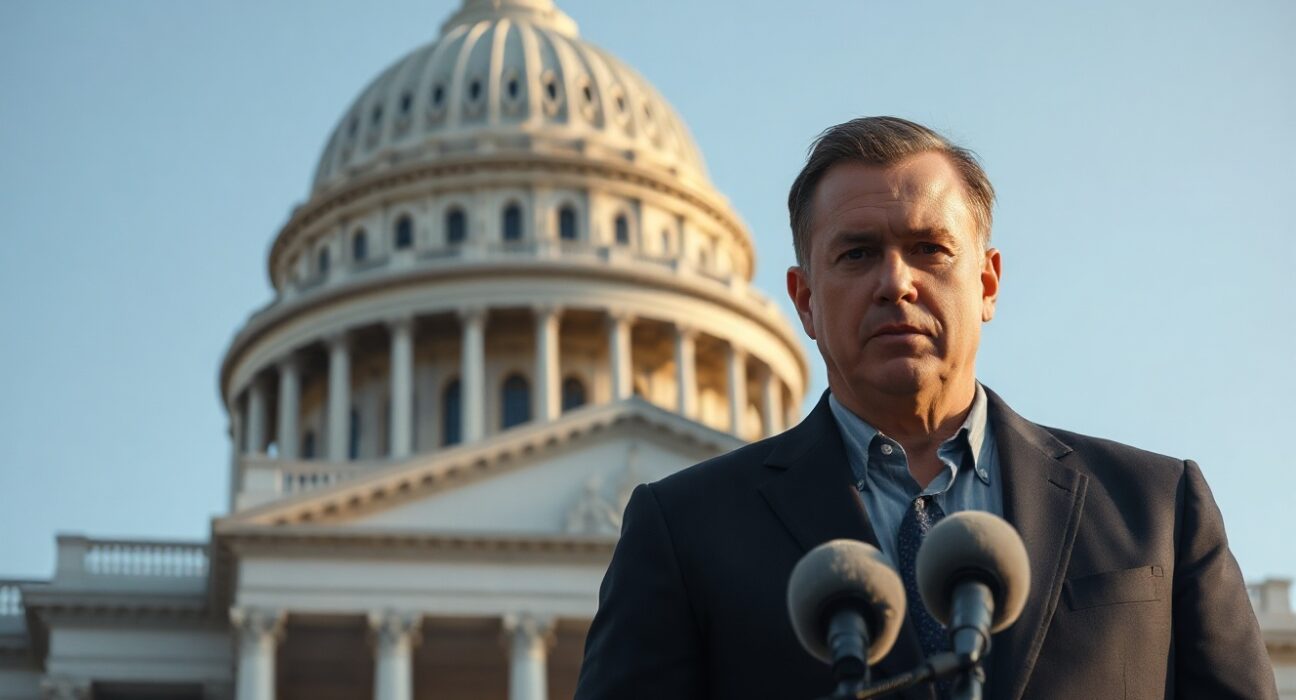
Democratic Senator Chris Van Hollen of Maryland stated unequivocally this week that no cryptocurrency legislation should pass the Senate unless Congress first addresses what he described as President Donald Trump’s unresolved conflicts of interest. Speaking at a press conference opposing the Clarity Act, Van Hollen emphasized that Democrats must not allow the bill to advance without a full ethical review.
Clarity Act Faces New Obstacles
The Clarity Act, which aims to establish a federal regulatory framework for digital assets, has been a contentious piece of legislation in the current session. An updated draft is expected in the coming days ahead of a full Senate vote. Van Hollen, a senior member of the Banking Committee, made clear his opposition is not solely about the bill’s technical provisions but about broader ethical governance.
“We cannot in good conscience move forward with any crypto legislation while the President maintains significant financial interests that could directly benefit from such laws,” Van Hollen said. He added that he hopes the legislation “never sees the light of day” unless the conflict issue is resolved.
Ethical Concerns at the Forefront
The Senator’s remarks highlight a growing bipartisan concern over the intersection of presidential business interests and cryptocurrency policy. Critics argue that Trump’s involvement in crypto ventures creates a potential conflict between public policy and private gain. The White House has not issued a formal response to Van Hollen’s comments, but the issue is expected to intensify as the Senate debate approaches.
Legal experts note that while conflicts of interest are not new in Washington, the unique nature of digital assets—where regulatory decisions can directly impact market values—adds a layer of complexity. “The question is whether the President’s personal financial interests could influence the direction of crypto regulation,” said one ethics lawyer who spoke on condition of anonymity.
What This Means for Crypto Legislation
The Clarity Act is considered a priority for many in the crypto industry, who seek clear federal rules to replace the current patchwork of state regulations. However, Van Hollen’s stance could delay or derail the bill entirely. If Democrats hold firm, the legislation may require amendments addressing presidential ethics before it can proceed.
For investors and industry stakeholders, the political standoff introduces uncertainty. The market has historically reacted to regulatory news, and any prolonged debate could affect sentiment. Observers will watch closely as the updated draft circulates and the Senate prepares for what promises to be a heated floor debate.
Conclusion
Senator Van Hollen’s insistence on addressing Trump’s conflicts of interest before passing any crypto bill adds a significant political dimension to the Clarity Act. The outcome will test whether Congress can separate policy from personal financial interests in the rapidly evolving digital asset space. For now, the legislation’s path remains uncertain.
FAQs
Q1: What is the Clarity Act?
The Clarity Act is a proposed federal law that would establish a regulatory framework for cryptocurrencies and digital assets in the United States, aiming to replace inconsistent state-level regulations.
Q2: Why is Senator Van Hollen opposing the bill?
He argues that President Trump’s financial interests in crypto ventures create a conflict of interest that must be resolved before any legislation can pass. He believes the bill should not advance without addressing this ethical concern.
Q3: Could this delay the bill indefinitely?
Yes. If enough senators share Van Hollen’s position, the bill could be stalled or require significant amendments. The outcome depends on negotiations in the coming weeks.
Disclaimer: The information provided is not trading advice, Bitcoinworld.co.in holds no liability for any investments made based on the information provided on this page. We strongly recommend independent research and/or consultation with a qualified professional before making any investment decisions.
