

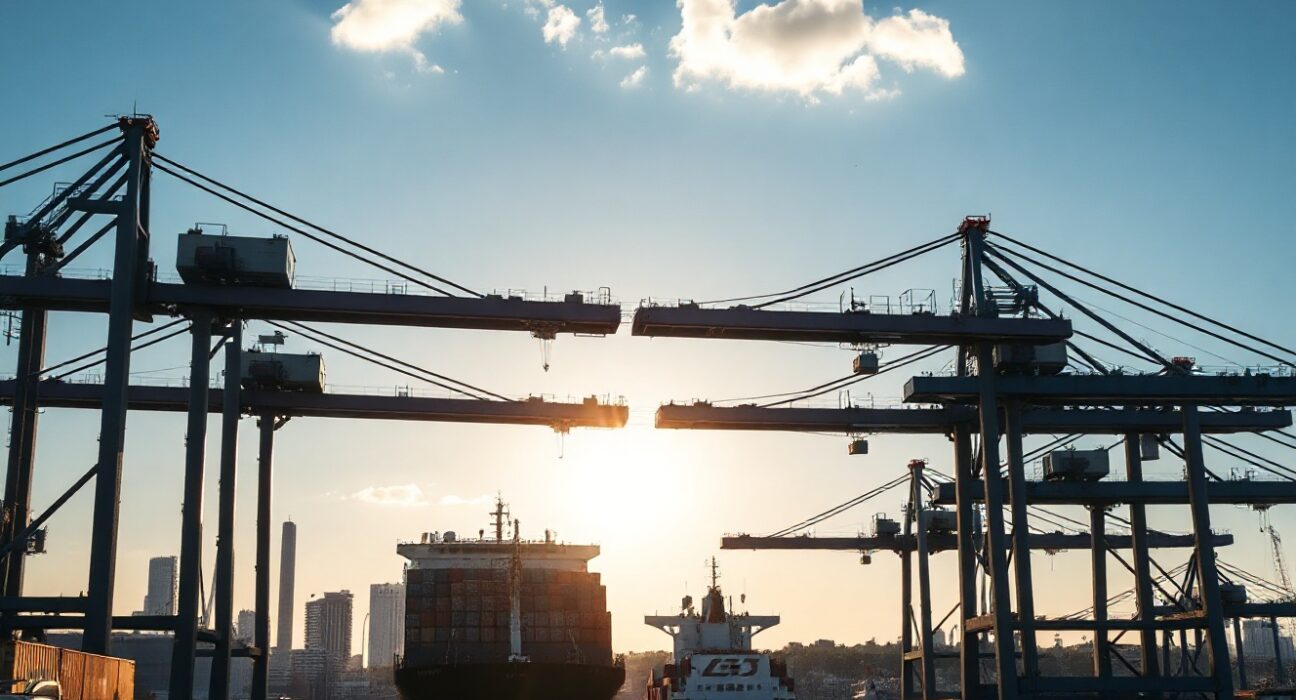
Denmark’s trade balance narrowed slightly to DKK 28.7 billion in June, down from a revised DKK 28.9 billion in May, according to the latest data from Statistics Denmark. The modest decline reflects a small shift in the gap between exports and imports, though the country continues to post a robust surplus.
Trade Balance Overview
The trade balance measures the difference between the value of a country’s exports and imports over a given period. A positive balance indicates that exports exceed imports, contributing positively to economic growth. Denmark has maintained a consistent surplus in recent years, supported by strong performance in pharmaceuticals, machinery, and agricultural products.
In June, exports likely remained resilient, but a slight uptick in imports—possibly driven by consumer demand and energy costs—reduced the surplus from the previous month. The data, released as part of the national accounts, is preliminary and may be revised in subsequent updates.
Implications for the Danish Economy
The trade surplus is a key component of Denmark’s gross domestic product (GDP), and even a small change can influence economic forecasts. While the June figure remains historically high, the direction of the trend will be watched closely by economists and policymakers.
External factors, including global supply chain conditions, energy prices, and demand from key trading partners such as Germany and Sweden, will shape the coming months. The Danish central bank and the Ministry of Finance often cite trade performance when adjusting economic projections.
What This Means for Businesses and Investors
For businesses, a stable trade surplus signals a competitive export sector, but the slight decline may prompt caution. Currency markets may react to any perceived weakening, though the Danish krone is pegged to the euro, limiting volatility. Investors tracking Danish equities, particularly in export-oriented industries, will monitor upcoming trade data for signs of sustained momentum.
Conclusion
Denmark’s trade balance remains strong, with the June figure only marginally lower than May. The data underscores the resilience of the Danish economy, even as global headwinds persist. Continued monitoring of trade flows will be essential to assess the trajectory in the second half of the year.
FAQs
Q1: What is Denmark’s trade balance?
The trade balance is the difference between the value of exports and imports. A positive balance means exports exceed imports, contributing to economic growth.
Q2: How does the trade balance affect the Danish economy?
A trade surplus supports GDP growth and strengthens the country’s external position. Changes can influence currency stability, employment in export sectors, and overall economic confidence.
Q3: When is the next trade balance release?
Statistics Denmark typically publishes monthly trade data with a lag of about six weeks. The next release for July data is expected in early September.
Disclaimer: The information provided is not trading advice, Bitcoinworld.co.in holds no liability for any investments made based on the information provided on this page. We strongly recommend independent research and/or consultation with a qualified professional before making any investment decisions.
