

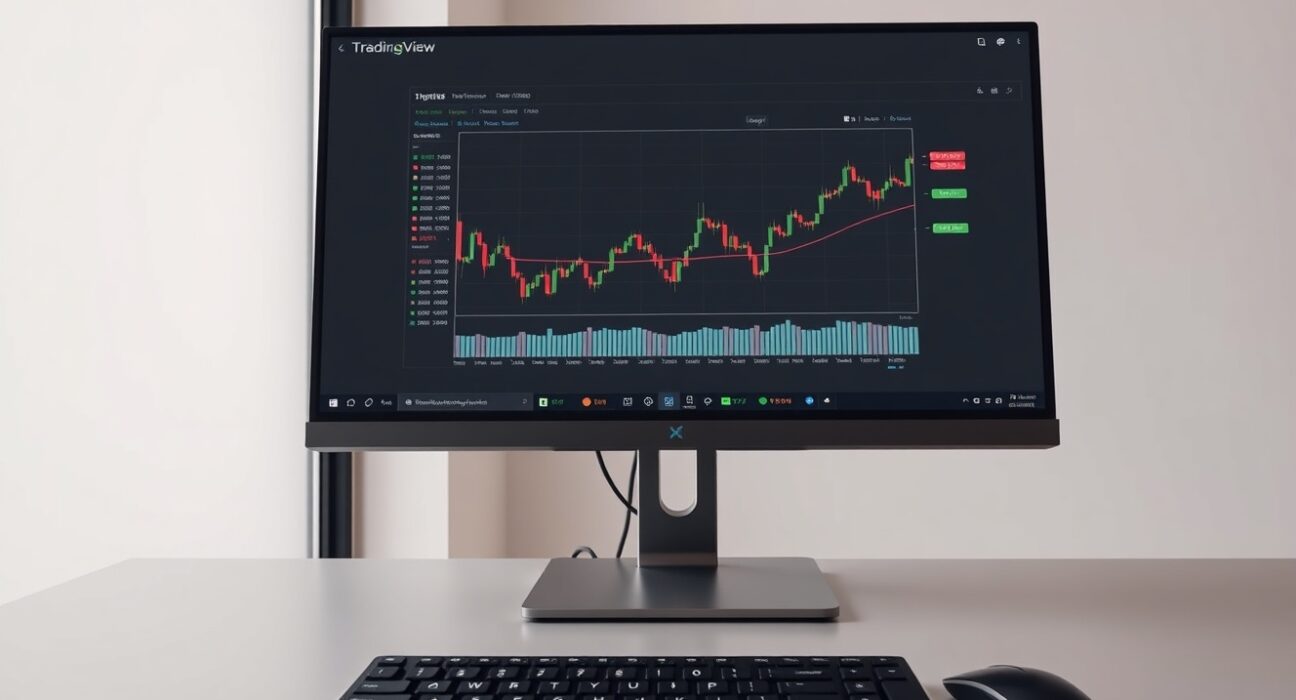
Traders using the TradingView platform can now access Deriv’s proprietary synthetic indices directly, without needing to switch between applications. The integration, announced on August 15, 2024, allows users to view and trade these unique instruments within TradingView’s charting environment, streamlining the trading workflow for existing Deriv clients.
What the Integration Offers
Deriv’s synthetic indices are financial instruments that simulate real-market price movements using a random number generator. They are designed to offer predictable volatility and are available 24/7, unlike traditional market indices that have trading hours. Previously, traders had to use Deriv’s own platform to trade these instruments. Now, they can be accessed through TradingView, a popular charting and social trading platform known for its advanced technical analysis tools and large user community.
This integration means that traders can apply TradingView’s full suite of indicators, drawing tools, and alert systems directly to Deriv’s synthetic indices. It eliminates the need to manually transfer data or switch between platforms, potentially reducing errors and saving time.
How It Works
To use the integration, traders must have an active Deriv account. They can then connect their TradingView account to Deriv via the TradingView platform’s ‘Trading Panel’ feature. Once connected, the synthetic indices appear as tradeable instruments within TradingView’s watchlist and chart interface. Orders can be placed directly from the chart, with execution handled by Deriv’s brokerage infrastructure.
The initial rollout includes Deriv’s most popular synthetic indices, such as Volatility 10, 25, 50, 75, and 100 indices, as well as Crash and Boom indices. These instruments are available on both the DTrader and SmartTrader platforms through the TradingView interface.
Implications for Traders
For active traders, the primary benefit is convenience. TradingView is widely used for its powerful charting capabilities, and many traders already use it for analysis of other markets. Having Deriv’s indices available within the same interface allows for a unified trading experience. It also opens up Deriv’s products to a potentially wider audience, as TradingView has a large user base that may not have previously considered Deriv’s offerings.
However, it is important to note that trading synthetic indices carries inherent risks. Their prices are not based on real-world assets and are generated algorithmically. Traders should fully understand the mechanics and risks of these instruments before trading. The integration does not change the fundamental nature of the products.
Conclusion
The direct integration of Deriv’s synthetic indices into TradingView represents a significant step in platform interoperability. It provides a more streamlined experience for existing Deriv traders and introduces the products to a new audience. As of the announcement date, the feature is available immediately to all users with linked accounts.
FAQs
Q1: Do I need a separate Deriv account to trade on TradingView?
Yes, you must have an active Deriv account. The TradingView integration acts as a front-end interface, but all orders are executed through Deriv’s brokerage system.
Q2: Are all Deriv synthetic indices available on TradingView?
The initial release includes the most popular indices, such as Volatility indices and Crash/Boom indices. Deriv may add more instruments over time.
Q3: Is there any additional cost for using TradingView with Deriv?
No, there is no additional fee from Deriv for using the TradingView integration. However, TradingView itself offers free and paid subscription plans, and some advanced features may require a paid TradingView account.
Disclaimer: The information provided is not trading advice, Bitcoinworld.co.in holds no liability for any investments made based on the information provided on this page. We strongly recommend independent research and/or consultation with a qualified professional before making any investment decisions.
