

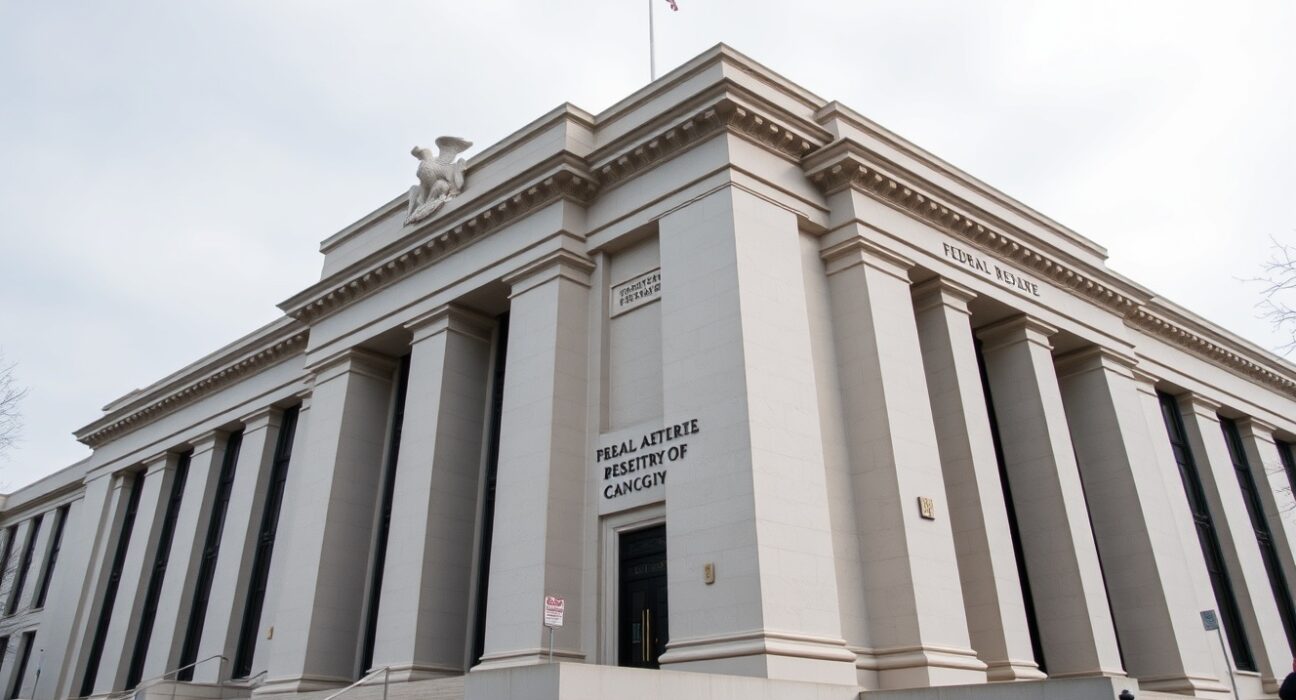
A closely watched inflation gauge has cooled more than anticipated, prompting analysts at Deutsche Bank to reassess the likelihood of a U.S. Federal Reserve interest rate hike this year. The Personal Consumption Expenditures (PCE) price index, released on June 25, rose 0.4% month-over-month, falling short of the 0.5% increase economists had forecast.
Market Expectations Shift After PCE Release
In a research note published following the data release, Deutsche Bank analysts stated that the softer-than-expected reading helps curb the narrative of a Fed rate hike, which had been gaining traction in recent weeks amid persistent inflation concerns. The analysts noted that while Fed officials remain cautious on the inflation outlook, speculation is growing that the central bank may not need to raise rates this year. Consequently, the U.S. dollar weakened slightly as the market lowered its expectations for a rate increase.
Context and Implications for Monetary Policy
The PCE price index is the Fed’s preferred measure of inflation. A reading below expectations, even by a tenth of a percentage point, can have significant implications for financial markets. Prior to the release, some market participants had begun pricing in a higher probability of a rate hike, particularly after several Fed officials signaled a patient but vigilant approach to inflation. The latest data provides a counterpoint to that hawkish sentiment, suggesting that price pressures may be easing more quickly than previously thought.
Why This Matters to Investors
For investors, the prospect of a Fed rate hike carries significant weight. Higher interest rates can slow economic growth, dampen corporate profits, and reduce the appeal of riskier assets like stocks and cryptocurrencies. A lower probability of a hike typically supports asset prices and weakens the U.S. dollar, as seen in the immediate market reaction. The Deutsche Bank analysis adds a credible institutional voice to the growing view that the Fed may hold rates steady for the remainder of the year, barring an unexpected resurgence in inflation.
Conclusion
The cooler PCE data represents a pivotal data point in the ongoing debate over the trajectory of U.S. monetary policy. While the Fed remains data-dependent, the immediate takeaway from Deutsche Bank and other analysts is that the urgency for a rate hike has diminished. Markets will now focus on upcoming employment and inflation reports for further confirmation of this trend.
FAQs
Q1: What is the PCE price index?
The Personal Consumption Expenditures (PCE) price index is a measure of inflation that tracks changes in the prices of goods and services purchased by consumers. It is the Federal Reserve’s preferred inflation gauge because it accounts for changes in consumer behavior and provides a broader view of price pressures.
Q2: Why does a lower PCE reading reduce the chance of a Fed rate hike?
The Federal Reserve raises interest rates to combat high inflation. When inflation readings come in lower than expected, it signals that price pressures may be easing, reducing the need for the Fed to tighten monetary policy further. This can lead to lower market expectations for a rate hike.
Q3: How does a weaker U.S. dollar affect cryptocurrency markets?
A weaker U.S. dollar can be positive for cryptocurrency markets. Since many cryptocurrencies are priced in dollars, a declining dollar can make them more attractive to international investors. Additionally, a lower dollar often coincides with a more accommodative monetary policy environment, which can boost risk-on assets like Bitcoin and Ethereum.
Disclaimer: The information provided is not trading advice, Bitcoinworld.co.in holds no liability for any investments made based on the information provided on this page. We strongly recommend independent research and/or consultation with a qualified professional before making any investment decisions.
