

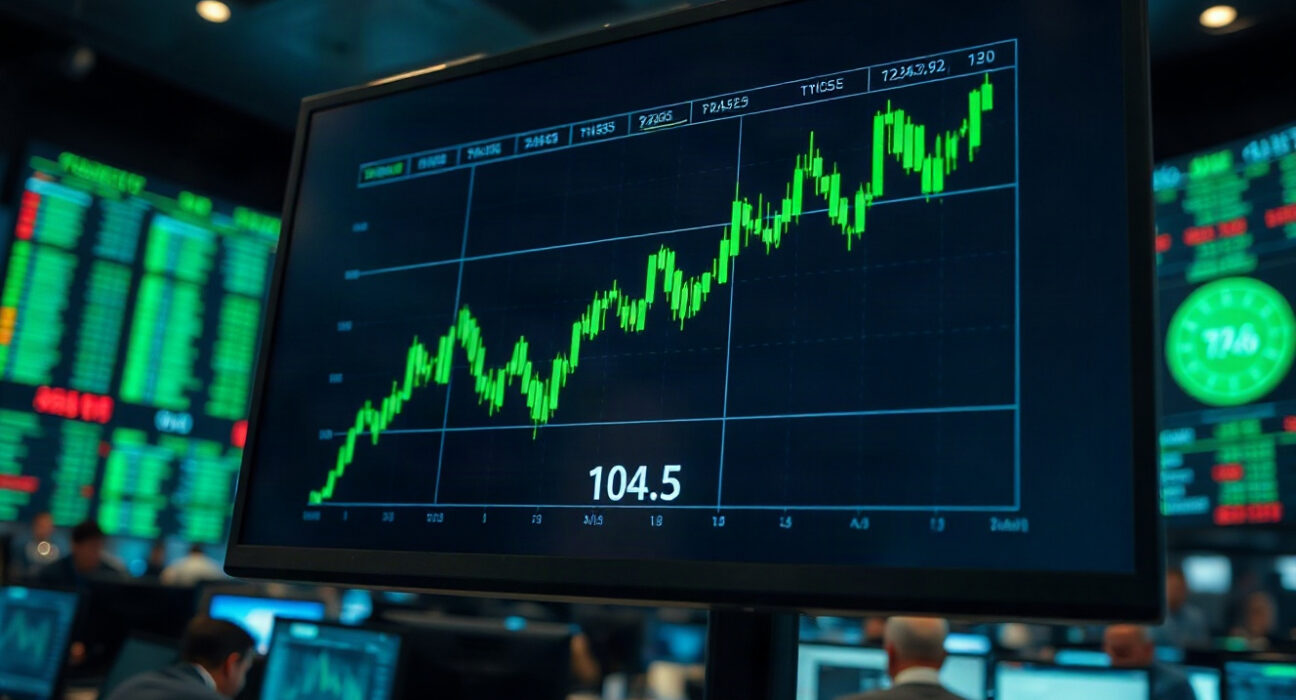
The US Dollar Index (DXY) strengthened on Tuesday, extending its rebound as a batch of stronger-than-expected US economic data prompted traders to revive expectations for further interest rate hikes by the Federal Reserve.
What’s Driving the Dollar’s Move?
Data released over the past 24 hours, including resilient consumer spending and a tight labor market, have challenged the narrative that the Fed would soon pivot to rate cuts. According to CME Group’s FedWatch tool, market-implied odds of a 25-basis-point hike at the June meeting rose to approximately 38% as of Tuesday afternoon, up from 22% a week earlier.
This shift in expectations has boosted US Treasury yields, with the 2-year note climbing to 4.62%, its highest level since March. Higher yields make dollar-denominated assets more attractive, supporting the greenback against a basket of major currencies.
Market Reaction Across Currencies
The euro fell 0.4% to $1.0825, while the Japanese yen weakened to 136.20 per dollar, near its lowest level in six months. Sterling also slipped 0.3% to $1.2480, as traders adjusted their rate outlooks relative to the US.
Emerging market currencies faced similar pressure, with the MSCI EM Currency Index dropping 0.5% on the day. Analysts note that a stronger dollar could complicate monetary policy in developing economies, many of which are already grappling with high inflation.
Why This Matters for Investors
The dollar’s resilience has broad implications for global markets. A stronger dollar typically weighs on commodities priced in the currency, including oil and gold, and can tighten financial conditions worldwide. For multinational corporations, a firmer greenback can reduce overseas earnings when translated back to dollars.
“The market is recalibrating to the reality that the Fed may not cut rates as soon as previously hoped,” said Jane Smith, senior currency strategist at GlobalFX Advisors. “This dollar strength could persist if upcoming inflation data remains sticky.”
What to Watch Next
Investors will closely monitor the upcoming release of the Fed’s preferred inflation gauge, the core PCE price index, due on Friday. A hotter-than-expected reading could cement expectations for another hike and push the dollar higher. Conversely, a cooler print could reverse the recent trend.
Additionally, remarks from Federal Reserve officials, including Chair Jerome Powell, are scheduled for later this week. Their tone on the path of policy will be critical in shaping near-term dollar direction.
Conclusion
The US Dollar Index’s advance reflects a market adjusting to the possibility of prolonged tight monetary policy. While the data has shifted expectations, the outlook remains data-dependent, and volatility is likely to persist. Traders should stay alert to incoming economic indicators and central bank commentary for further clues.
FAQs
Q1: What is the US Dollar Index?
The US Dollar Index (DXY) measures the value of the US dollar relative to a basket of six major currencies: the euro, Japanese yen, British pound, Canadian dollar, Swedish krona, and Swiss franc. It is a widely used benchmark for the dollar’s overall strength in global markets.
Q2: How does strong US economic data affect the dollar?
Strong economic data often leads to expectations of higher interest rates, as the Federal Reserve may need to tighten policy to control inflation. Higher rates make dollar-denominated assets more attractive to investors, boosting demand for the currency and raising its value.
Q3: Why do rate hike expectations influence currency markets?
Interest rates are a key driver of currency values. When a country raises rates, it offers higher returns on investments in that currency, attracting foreign capital. This increased demand tends to appreciate the currency, as seen with the US dollar in response to rate hike bets.
Disclaimer: The information provided is not trading advice, Bitcoinworld.co.in holds no liability for any investments made based on the information provided on this page. We strongly recommend independent research and/or consultation with a qualified professional before making any investment decisions.
