
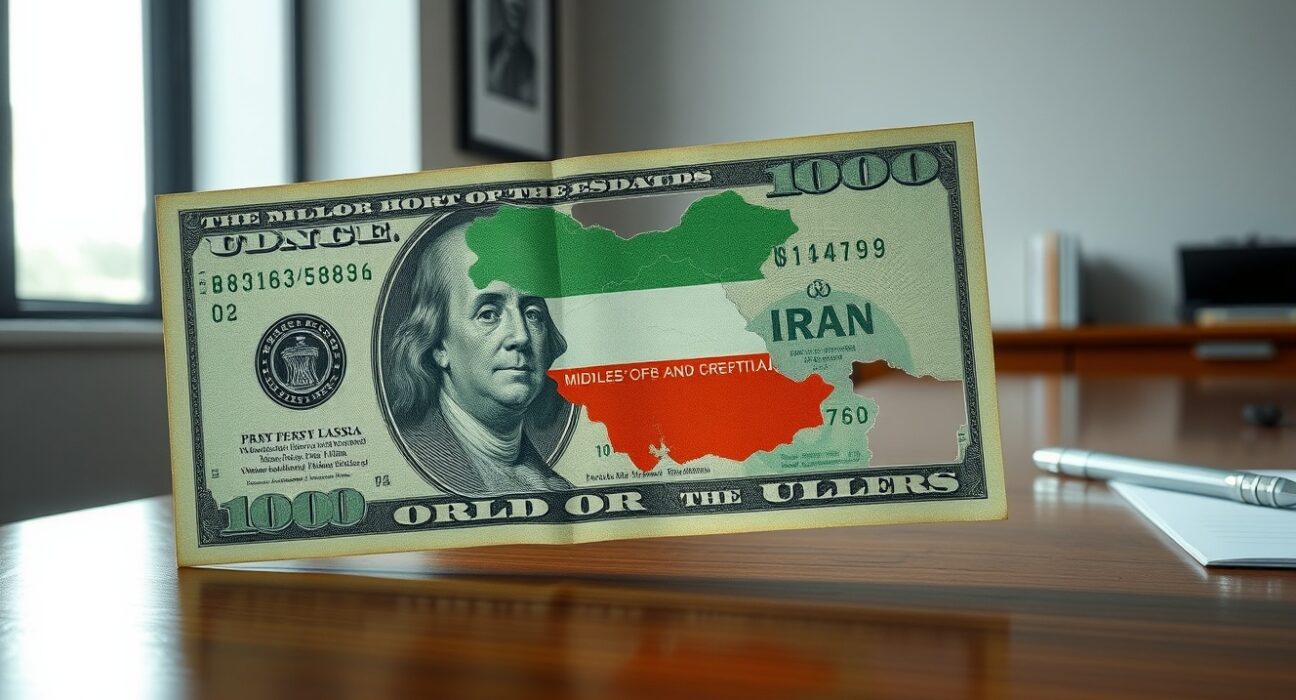
WASHINGTON, D.C. — March 15, 2025 — The U.S. dollar found unexpected stability in global markets today as former President Donald Trump announced the commencement of direct diplomatic talks with Iran. Consequently, currency traders reacted positively to the potential de-escalation of Middle Eastern tensions. Market analysts immediately noted reduced volatility across major currency pairs. Furthermore, this development follows months of escalating rhetoric between the two nations.
Dollar Stabilizes Amid Geopolitical Shift
The announcement triggered immediate reactions across global financial centers. Specifically, the dollar index (DXY) rose 0.4% against a basket of major currencies. Asian and European trading sessions showed unusual calm. Meanwhile, safe-haven assets like gold and the Japanese yen experienced slight declines. Typically, geopolitical uncertainty weakens the dollar, but this situation reversed that trend.
Market participants interpreted the talks as reducing immediate conflict risks. Additionally, oil prices dropped 2.1% on the news. Since Iran is a major oil producer, diplomatic progress affects energy markets directly. Currency traders therefore adjusted their positions accordingly. The euro-dollar pair remained stable around 1.0850 throughout the session.
Historical Context of US-Iran Relations
US-Iran relations have experienced dramatic shifts over decades. The 2015 nuclear deal initially created cautious optimism. However, the Trump administration withdrew from that agreement in 2018. Subsequently, tensions escalated with sanctions and military incidents. The Biden administration attempted to revive negotiations with limited success.
Recent months saw renewed hostilities in the Strait of Hormuz. Iran also accelerated its uranium enrichment activities. Consequently, regional stability concerns grew among US allies. Now, the announcement of direct talks represents a significant policy shift. Experts note several key differences from previous approaches:
- Direct Communication: Unlike previous proxy negotiations
- Timing: Following recent regional escalations
- Format: Face-to-face meetings rather than written exchanges
- Scope: Potentially broader than just nuclear issues
Expert Analysis on Market Implications
Financial analysts provided immediate assessments of the situation. Dr. Evelyn Chen, Chief Economist at Global Markets Institute, stated, “Currency markets typically price geopolitical risk premiums. Therefore, reduced tension directly supports dollar stability.” She emphasized that Middle Eastern stability affects global oil supplies significantly. Consequently, energy importers benefit from price stability.
Meanwhile, former Federal Reserve advisor Michael Rodriguez noted, “The dollar’s role as the global reserve currency creates unique dynamics. Specifically, improved geopolitical outlooks reduce demand for alternative safe havens.” He pointed to recent data showing capital flows returning to dollar-denominated assets. The following table illustrates recent currency movements:
| Currency Pair | Pre-Announcement | Post-Announcement | Change |
|---|---|---|---|
| USD/EUR | 1.0880 | 1.0852 | -0.26% |
| USD/JPY | 148.30 | 148.85 | +0.37% |
| USD/CHF | 0.8850 | 0.8875 | +0.28% |
| GBP/USD | 1.2750 | 1.2730 | -0.16% |
Regional and Global Economic Impacts
Middle Eastern markets responded positively to the news. Saudi Arabia’s Tadawul index gained 1.8% during trading. Similarly, UAE markets showed increased investor confidence. Regional currencies pegged to the dollar maintained their stability. Moreover, shipping insurance costs in the Persian Gulf declined slightly.
European economies welcomed the development enthusiastically. Germany’s export-oriented manufacturers particularly benefit from stable oil prices. The European Central Bank monitors such geopolitical developments closely. Asian manufacturing hubs also rely on stable energy supplies. Therefore, reduced tension supports global supply chain stability.
Energy analysts highlighted specific implications for oil markets. Iran currently produces approximately 3.2 million barrels daily. Potential sanctions relief could increase global supply. However, market reactions remain cautious about implementation timelines. The OPEC+ alliance may adjust production quotas accordingly.
Diplomatic Process and Timeline
The announced talks will proceed through established diplomatic channels. Preliminary meetings will occur in neutral locations. Oman has offered to host initial discussions. Swiss diplomats may facilitate certain technical aspects. The process includes several distinct phases:
- Phase 1: Confidence-building measures (30-45 days)
- Phase 2: Nuclear program limitations discussion
- Phase 3: Regional security arrangements
- Phase 4: Sanctions relief implementation
International observers emphasize the complexity of these negotiations. Previous agreements required years to finalize. However, current regional dynamics may accelerate the process. Both sides face domestic political pressures affecting their flexibility.
Federal Reserve Policy Considerations
The Federal Reserve monitors geopolitical developments affecting monetary policy. Reduced geopolitical risk may influence inflation projections. Energy price stability contributes significantly to consumer price indices. Consequently, the Fed might adjust its interest rate trajectory.
Recent Fed statements acknowledge external risk factors. Chair Powell previously cited “global uncertainties” as policy considerations. Now, reduced Middle Eastern tension could affect upcoming FOMC decisions. However, domestic economic data remains the primary policy driver. The Fed balances multiple factors in its decision-making process.
Market expectations for rate cuts have shifted slightly. Futures pricing now suggests different timing for policy adjustments. The dollar’s strength affects export competitiveness considerations. Therefore, the Fed considers currency impacts in its deliberations.
Conclusion
The dollar stabilizes as markets digest the implications of US-Iran diplomatic talks. This development represents a significant shift in Middle Eastern geopolitics. Currency markets reacted positively to reduced immediate conflict risks. However, the long-term trajectory depends on negotiation outcomes. Global economic stability benefits from diplomatic resolutions. Consequently, investors will monitor subsequent developments closely. The dollar’s position as the global reserve currency remains secure for now. Ultimately, successful diplomacy supports broader financial market stability.
FAQs
Q1: Why did the dollar stabilize after Trump’s Iran talks announcement?
The dollar stabilized because markets interpreted diplomatic talks as reducing geopolitical risk. Lower risk typically supports currency stability, especially for reserve currencies like the US dollar.
Q2: How do US-Iran relations affect global currency markets?
US-Iran tensions affect oil prices and Middle Eastern stability. Since oil trades in dollars and regional instability threatens supply routes, diplomatic progress supports dollar stability and reduces market volatility.
Q3: What historical precedents exist for such market reactions?
Similar reactions occurred during previous diplomatic breakthroughs, including the 2015 Iran nuclear deal announcement. Markets typically respond positively to reduced geopolitical tensions affecting critical regions.
Q4: How might these talks affect Federal Reserve policy?
Reduced geopolitical risk could influence inflation projections through energy prices. However, the Fed primarily focuses on domestic economic data, though it considers global developments in its risk assessments.
Q5: What are the potential risks to this diplomatic process?
Potential risks include negotiation breakdowns, domestic political opposition in both countries, implementation challenges, and regional proxy conflicts undermining diplomatic progress.
Disclaimer: The information provided is not trading advice, Bitcoinworld.co.in holds no liability for any investments made based on the information provided on this page. We strongly recommend independent research and/or consultation with a qualified professional before making any investment decisions.