
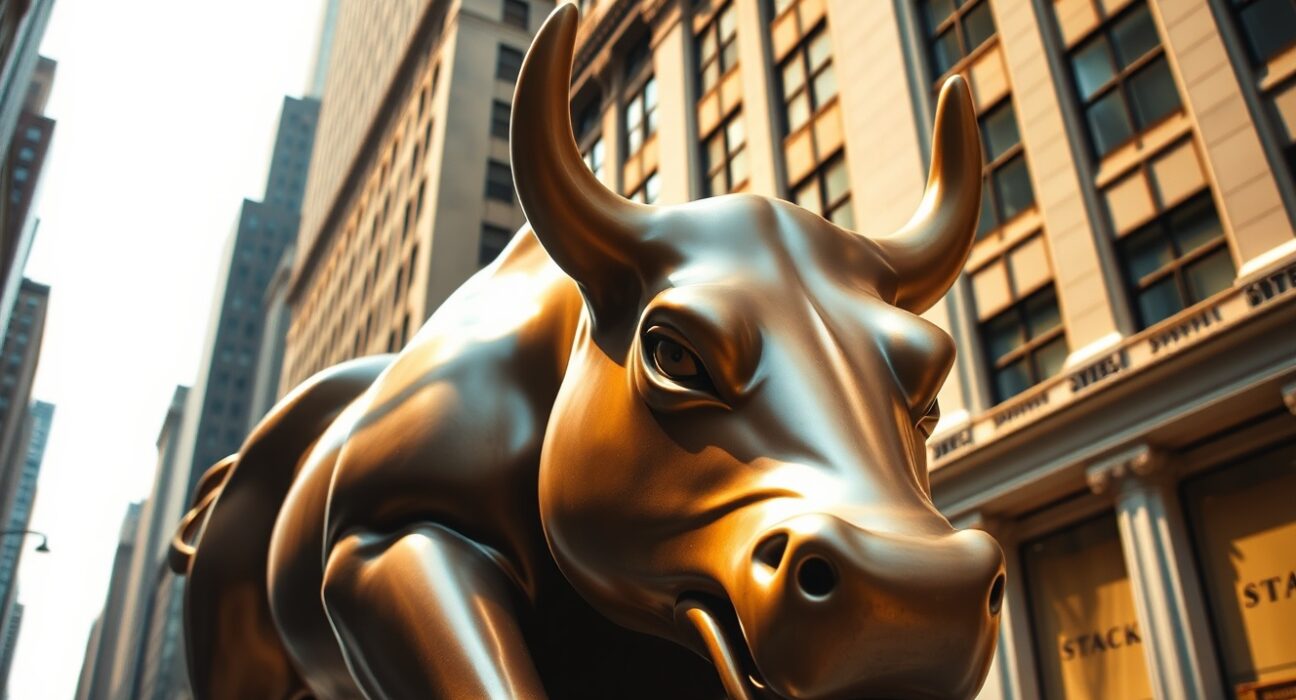
NEW YORK, March 2025 – In a dramatic pre-market session, Dow Jones Industrial Average futures catapulted by a staggering 1,200 points following the announcement of a major geopolitical ceasefire. This historic surge, however, masks emerging cracks within the global financial system that warrant careful scrutiny from investors and analysts alike.
Dow Jones Futures Explode on Geopolitical Relief
The pre-market rally represents one of the most significant single-session gains in the index’s history. Consequently, market sentiment shifted from risk-off to risk-on almost instantaneously. Traders reacted to the immediate reduction in geopolitical risk premium. Furthermore, the ceasefire announcement triggered a broad-based rally across all thirty Dow components. This movement suggests a powerful, yet potentially fragile, wave of optimism.
Historically, markets have experienced similar relief rallies following the de-escalation of conflicts. For instance, past events show initial surges often undergo subsequent corrections. Therefore, while the headline number is impressive, the underlying volume and breadth of the buying require deeper analysis. Market technicians are already examining key resistance levels that the cash market must now overcome.
Analyzing the Surge’s Composition and Drivers
The rally was not uniform across all sectors. A preliminary breakdown reveals disproportionate strength in specific industries.
- Industrial and Aerospace Stocks: Companies like Boeing and Caterpillar led the advance, buoyed by expectations of normalized global trade and supply chains.
- Technology Giants: Apple and Microsoft saw significant futures buying, as reduced uncertainty benefits long-duration growth assets.
- Financials: JPMorgan Chase and Goldman Sachs rallied on prospects for a steeper yield curve and revived deal-making activity.
This sector rotation indicates a classic “re-opening” trade. However, it also concentrates gains, potentially leaving the broader market exposed if momentum falters. The velocity of the move, driven largely by algorithmic and programmatic trading, raises questions about its sustainability without fundamental economic improvements.
Expert Perspective on Market Mechanics
Dr. Anya Sharma, Chief Economist at the Global Markets Institute, provides critical context. “While a 1,200-point move captures headlines, we must differentiate between price discovery and a liquidity-driven gap,” she explains. “The overnight futures market, with its lower liquidity, can exaggerate moves. The true test will be cash market trading at the open, where order books are deeper and more representative of institutional conviction.”
This analysis underscores the importance of monitoring trading volume and the VIX volatility index throughout the day. A failure to hold gains or a spike in volatility would signal that the rally lacks firm foundation.
The Emerging Cracks Beneath the Rally
Despite the euphoric price action, several concerning indicators persist. These cracks could undermine the rally’s longevity if left unaddressed.
Persistent Inflationary Pressures: Core inflation metrics remain stubbornly above central bank targets. The ceasefire may ease energy and commodity prices, but structural wage and services inflation present a longer-term challenge. The Federal Reserve’s policy path, therefore, remains a critical headwind.
Corporate Earnings Vulnerability: Q1 2025 earnings season approaches with expectations already tempered. Many companies issued cautious guidance citing input cost pressures and demand uncertainty. A ceasefire does not instantly repair corporate profit margins.
| Indicator | Current Status | Market Implication |
|---|---|---|
| 10-Year Treasury Yield | Elevated, curve inverted | Signals recession risk |
| Consumer Confidence | Below long-term average | Weakens discretionary spending |
| Global PMI (Manufacturing) | Contraction territory | Indicates slowing economic activity |
Technical Market Divergences: While the Dow futures soar, other benchmarks like the Russell 2000 (small-cap index) have shown relative weakness in recent weeks. This divergence often precedes broader market pullbacks, as it indicates a narrowing of participation.
Historical Context and What Comes Next
History provides a crucial framework. For example, similar large gap-up moves occurred in October 2008 and March 2020. Initially, those moves signaled major turning points, but they were followed by extreme volatility and retests of lows. The current macroeconomic backdrop, characterized by quantitative tightening and high debt levels, shares some parallels with past fragile environments.
Investors should monitor several key developments in the coming sessions:
- Follow-through Buying: Does the cash market confirm the futures move with high-volume advancement?
- Bond Market Reaction: Will long-term yields fall sustainably, or will they rise on growth expectations, pressuring equity valuations?
- Currency Markets: A sharp rally in risk-sensitive currencies versus the dollar would corroborate the risk-on shift.
The immediate catalyst is powerful, but the medium-term trajectory will depend on hard economic data, central bank communication, and corporate fundamentals. The ceasefire removes one major overhang, but it does not automatically resolve other complex challenges.
Conclusion
The 1,200-point surge in Dow Jones futures delivers a potent shot of optimism to global markets, directly tied to reduced geopolitical tensions. However, seasoned market participants recognize that single-day rallies, however dramatic, require validation. The emerging cracks in inflation dynamics, earnings outlooks, and market breadth present tangible risks. Ultimately, sustainable bull markets are built on improving fundamentals, not just sentiment shifts. While the ceasefire news is unequivocally positive, the path ahead for the Dow Jones and broader equities will be determined by how these underlying economic vulnerabilities are addressed in the weeks and months to come.
FAQs
Q1: What exactly caused the Dow Jones futures to jump 1,200 points?
The primary catalyst was the announcement of a significant geopolitical ceasefire, which immediately reduced the perceived risk premium in global markets and triggered massive algorithmic buying in low-liquidity overnight trading.
Q2: Does this mean the stock market correction is over?
Not necessarily. While a major positive event, one rally does not define a trend reversal. Market technicians look for follow-through buying, broadening participation, and improving fundamentals to confirm a sustained recovery.
Q3: What are the main “cracks” or risks that analysts are worried about?
Key risks include persistent core inflation, vulnerable corporate earnings forecasts, an inverted yield curve signaling recession risk, and technical divergences where small-cap stocks have not participated in the rally.
Q4: How should a long-term investor react to this kind of sudden surge?
Long-term investors should avoid emotional decisions based on a single day’s move. Instead, they should review their asset allocation to ensure it aligns with their risk tolerance and time horizon, regardless of short-term volatility.
Q5: What historical events compare to this market move?
Similar large gap-up rallies occurred during the 2008 financial crisis and the March 2020 COVID-19 crash. Both periods saw initial powerful relief rallies that were later retested, underscoring the importance of analyzing the sustainability of the move beyond the first day.
Disclaimer: The information provided is not trading advice, Bitcoinworld.co.in holds no liability for any investments made based on the information provided on this page. We strongly recommend independent research and/or consultation with a qualified professional before making any investment decisions.