

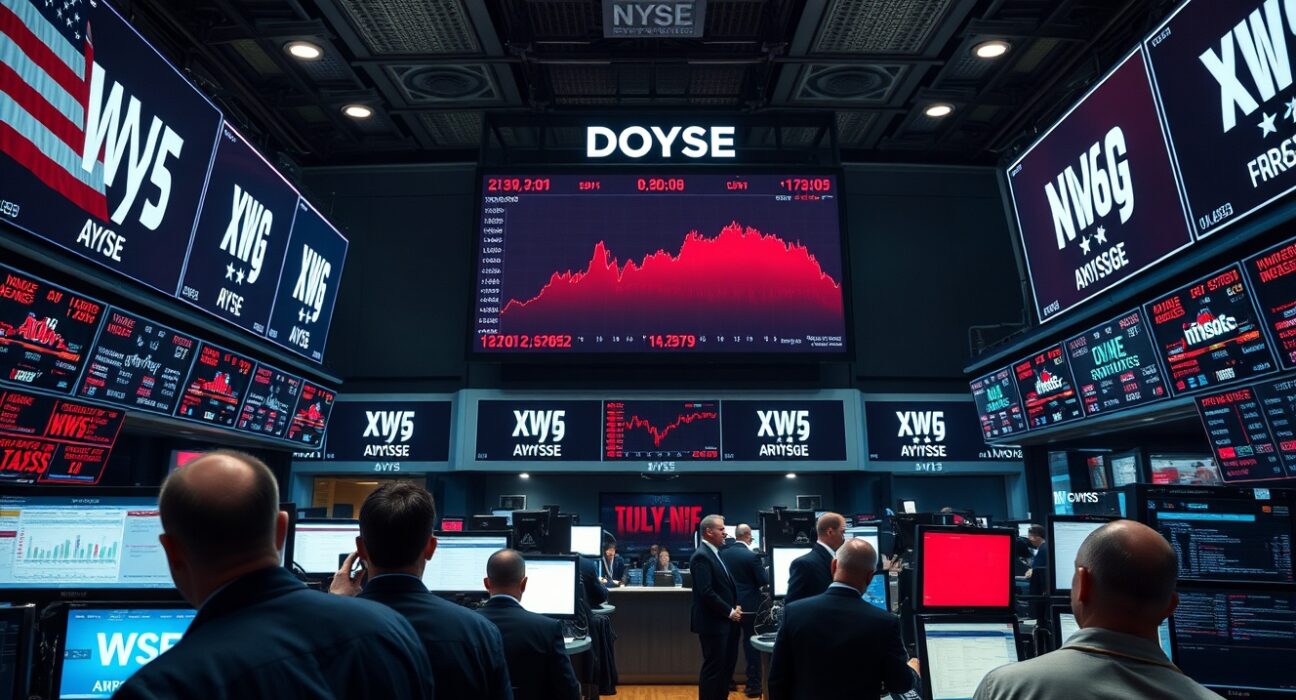
The Dow Jones Industrial Average fell sharply on Tuesday after a hotter-than-expected reading on producer prices reignited concerns that the Federal Reserve may keep interest rates higher for longer. The blue-chip index dropped more than 400 points in afternoon trading, extending its recent losing streak as bond yields climbed and rate-sensitive sectors led the decline.
PPI Data Surprises to the Upside
The Bureau of Labor Statistics reported that the Producer Price Index rose 0.4% in January, above the 0.2% consensus estimate. On an annual basis, headline PPI increased 3.1%, while core PPI — excluding food and energy — climbed 2.8%. Both figures exceeded expectations and suggested that inflation pressures at the wholesale level remain stubbornly elevated.
The data follows last week’s stronger-than-expected Consumer Price Index report, which also rattled markets and prompted traders to dial back expectations for rate cuts in the first half of 2025. The back-to-back inflation prints have effectively dashed hopes that the Fed could begin easing monetary policy as early as March.
Market Reaction and Sector Rotation
The Dow’s decline was broad-based, with all 11 S&P 500 sectors trading lower. Technology and consumer discretionary stocks were among the hardest hit, as rising yields make growth stocks less attractive. The yield on the 10-year Treasury note jumped 12 basis points to 4.38%, its highest level in nearly three weeks.
Rate-sensitive sectors such as real estate and utilities also fell sharply, as higher borrowing costs weigh on valuations. Financial stocks, which initially benefited from the yield move, also turned lower as recession fears resurfaced.
What This Means for Investors
The latest PPI data underscores a key challenge for the Fed: inflation is proving stickier than anticipated, even as the economy shows signs of slowing. For investors, the implication is that the central bank is unlikely to cut rates anytime soon, which could keep equity markets under pressure in the near term.
Market pricing now reflects a less than 30% probability of a rate cut at the Fed’s March meeting, down from over 60% just a month ago. The next major test for markets will be the Fed’s preferred inflation gauge — the Personal Consumption Expenditures price index — due later this month.
Conclusion
The Dow’s decline on the back of hot PPI data is a reminder that inflation remains the dominant force driving market direction. With the Fed likely to maintain its hawkish stance, investors should brace for continued volatility and reassess portfolios for a higher-for-longer rate environment.
FAQs
Q1: What is the PPI and why does it matter for the stock market?
The Producer Price Index measures the average change in selling prices received by domestic producers. It is a key inflation indicator because rising wholesale costs often get passed to consumers, feeding broader inflation and influencing Fed policy.
Q2: How does a hot PPI reading affect Federal Reserve decisions?
A higher-than-expected PPI suggests inflation is not cooling fast enough, which reduces the likelihood of the Fed cutting interest rates. The central bank may keep rates elevated or even raise them further to combat persistent price pressures.
Q3: Which sectors are most vulnerable to rising interest rates?
Growth sectors like technology, consumer discretionary, and real estate are most sensitive to rising rates because higher discount rates reduce the present value of future earnings. Utilities and other high-dividend sectors also tend to underperform when bond yields rise.
Disclaimer: The information provided is not trading advice, Bitcoinworld.co.in holds no liability for any investments made based on the information provided on this page. We strongly recommend independent research and/or consultation with a qualified professional before making any investment decisions.
