

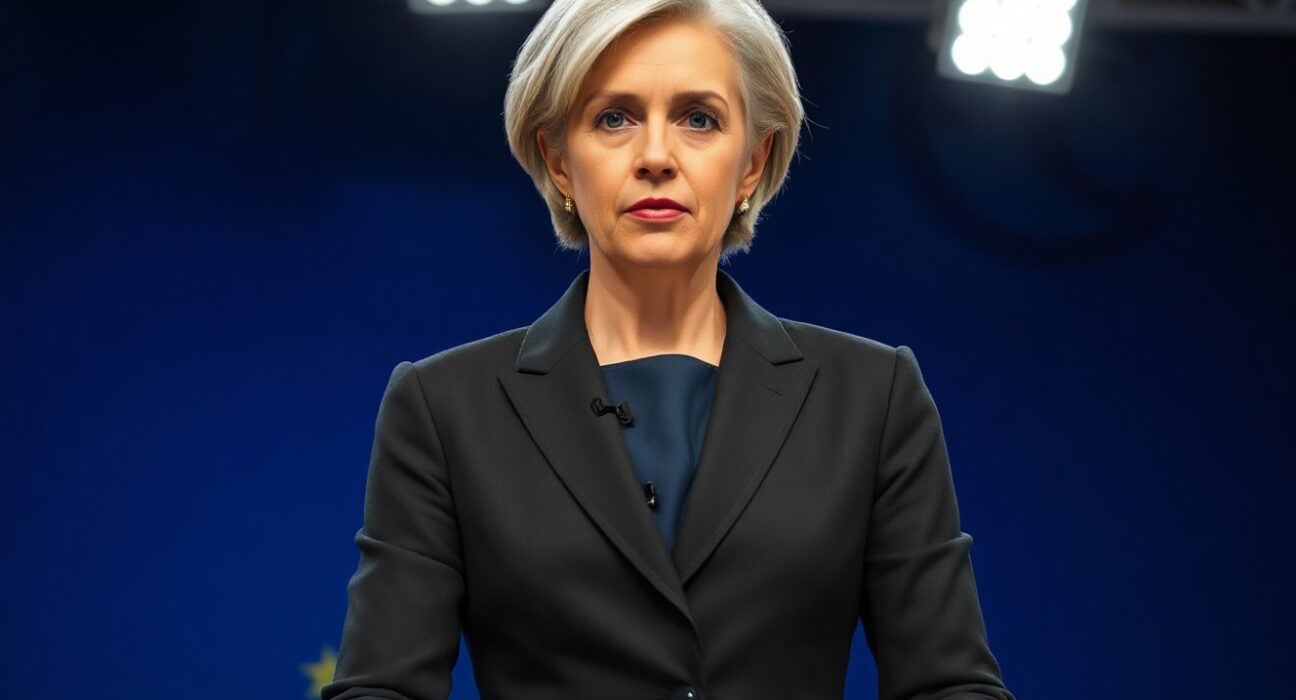
European Central Bank President Christine Lagarde stated on [insert date of speech or press conference] that there is currently “no evidence yet” of inflation expectations becoming de-anchored in the eurozone, a condition that would typically require a more aggressive monetary policy response. Her remarks suggest the ECB will maintain its current cautious approach rather than accelerating interest rate hikes or implementing emergency measures.
Context and Background
Lagarde’s comments come amid ongoing debate among policymakers and economists about the persistence of inflation in the eurozone. While headline inflation has moderated from its 2022 peaks, core inflation — which excludes volatile energy and food prices — has remained stubbornly above the ECB’s 2% target. Some analysts have warned that prolonged above-target inflation could lead households and businesses to adjust their long-term expectations upward, a phenomenon known as de-anchoring. This could make it harder to bring inflation back down without significant economic pain.
The ECB has raised interest rates at a record pace over the past year, but recent data showing slowing economic growth and mixed inflation signals have led the central bank to signal a more data-dependent, meeting-by-meeting approach. Lagarde’s latest remarks reinforce that the ECB sees no immediate need to shift to a more hawkish stance.
Market and Policy Implications
Financial markets interpreted Lagarde’s comments as a signal that the ECB is comfortable pausing rate increases in the near term, provided inflation expectations remain anchored. The euro edged lower against the US dollar following the statement, while European government bond yields dipped slightly, reflecting reduced expectations of further tightening.
However, Lagarde also cautioned that the ECB remains vigilant and ready to act if new data suggests inflation is becoming entrenched. She emphasized that the central bank’s decisions will continue to be guided by incoming economic data, particularly wage growth, services inflation, and corporate profit margins.
Why This Matters for Investors and Consumers
For consumers, anchored inflation expectations mean that the ECB may not need to push borrowing costs significantly higher, which could eventually lead to lower mortgage and loan rates. For investors, the message reduces near-term uncertainty about aggressive tightening, supporting risk assets in the short term. However, the ECB’s commitment to data dependence also means that any upside surprise in inflation could quickly shift the policy outlook.
Conclusion
Lagarde’s statement provides a clear signal that the ECB is not currently alarmed by inflation expectations, reducing the likelihood of a sudden policy hawkish turn. The central bank is expected to maintain its cautious, data-driven approach in the coming months, balancing the need to control inflation against the risks of slowing economic growth. The key variable remains whether inflation data will justify this patience or force a more aggressive response later.
FAQs
Q1: What does “inflation de-anchoring” mean?
Inflation de-anchoring occurs when households, businesses, and financial markets begin to expect persistently high inflation, causing long-term inflation expectations to drift away from the central bank’s target. This can make it more difficult and costly to bring actual inflation back down.
Q2: Why is Lagarde’s statement significant?
Her remarks suggest the ECB does not see a need for stronger, more aggressive policy action — such as larger rate hikes or emergency measures — because inflation expectations remain well-anchored. This reduces near-term market uncertainty and supports a more gradual policy path.
Q3: What could change the ECB’s stance?
The ECB has indicated it will remain data-dependent. Key factors that could trigger a more hawkish response include a sustained rise in core inflation, faster-than-expected wage growth, or surveys showing a sharp increase in long-term inflation expectations among consumers and businesses.
Disclaimer: The information provided is not trading advice, Bitcoinworld.co.in holds no liability for any investments made based on the information provided on this page. We strongly recommend independent research and/or consultation with a qualified professional before making any investment decisions.
