

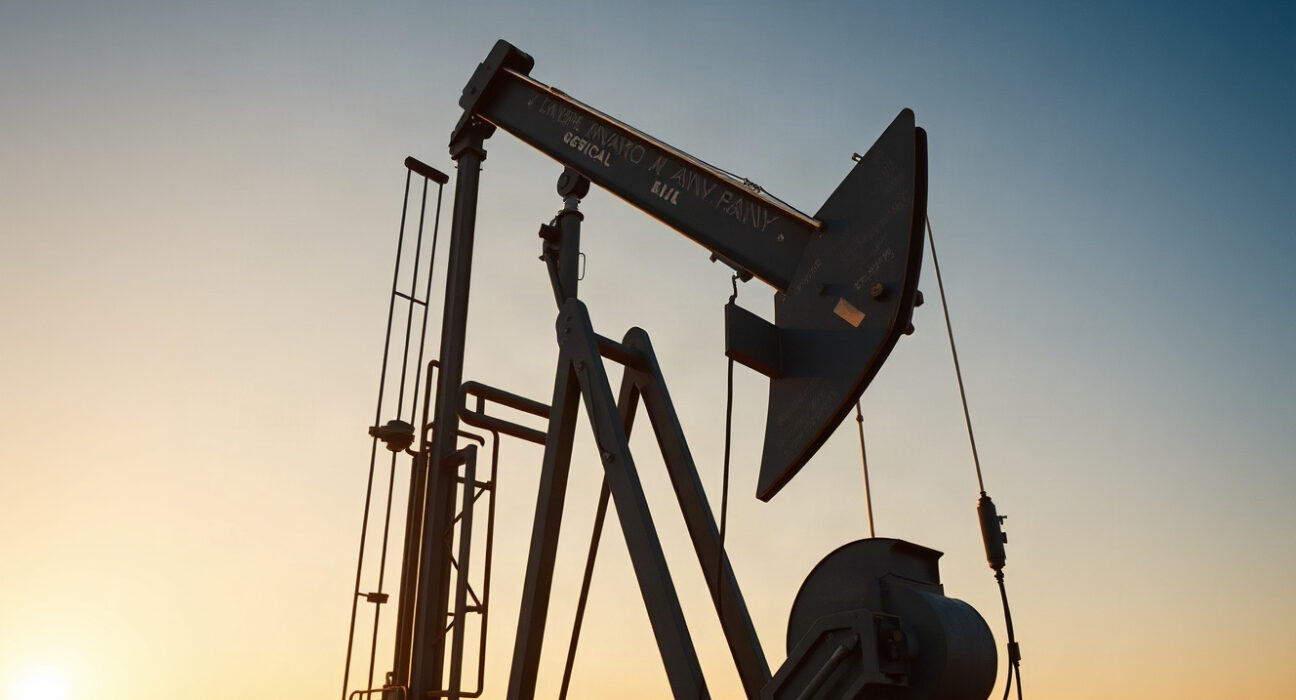
OPEC+ has agreed to increase its collective crude oil production by 188,000 barrels per day for September, continuing the gradual unwinding of output cuts that were implemented to support oil prices. The decision, confirmed by the group’s representatives on August 1, 2025, follows a previous increase of the same magnitude for August and aligns with the group’s plan to gradually restore supply as global demand remains resilient.
Background and Context
The production hike is part of a broader strategy agreed upon by OPEC+ members, which includes major producers such as Saudi Arabia, Russia, and Iraq. Starting in October 2022, the group implemented a series of production cuts totaling about 3.66 million barrels per day to stabilize the market. Since then, they have been gradually easing these cuts as prices have remained relatively stable. The September increase is one of the final steps in unwinding the most recent 2.2 million barrels per day cut, which was scheduled to be phased out by September 2025.
Market analysts had widely anticipated this move, as the group has been signaling its intention to continue with the planned increases barring any major market disruptions. The decision reflects a balancing act between supporting prices and maintaining market share, especially as non-OPEC producers like the United States continue to ramp up output.
Market Impact and Implications
The announcement is expected to put mild downward pressure on crude prices, although the impact may be limited given that the increase is relatively modest. As of early August, Brent crude was trading around $85 per barrel, and West Texas Intermediate was near $81. The additional supply comes at a time when global inventories are relatively low, which could cushion any price drop. However, concerns about slowing economic growth in China and potential demand softening remain key risks.
For consumers, the production increase could translate into slightly lower fuel prices over the coming months, though retail prices are influenced by many factors, including refining margins and taxes. For the oil industry, the move signals that OPEC+ is confident in the market’s ability to absorb additional barrels, even as geopolitical tensions in the Middle East and Eastern Europe continue to pose risks.
Compliance and Quota Dynamics
Compliance with production quotas has been a persistent issue within OPEC+, with some members, such as Iraq and Kazakhstan, exceeding their targets in the past. The group has been pressing for better adherence, and recent reports suggest that compliance has improved. The September increase will be distributed proportionally among members, with the largest producers taking on the biggest share. This approach aims to maintain fairness and encourage full compliance.
Conclusion
OPEC+’s decision to raise September output by 188,000 barrels per day is a measured step in its ongoing strategy to gradually restore supply. The move reflects confidence in global demand and a desire to keep the market well-supplied. While the immediate impact on prices may be muted, the decision reinforces the group’s role as a key stabilizer in the oil market. As always, market conditions can shift rapidly, and the group has indicated it remains flexible and ready to adjust course if necessary.
FAQs
Q1: Why is OPEC+ increasing production?
The increase is part of a planned gradual unwind of the production cuts implemented in 2022 and 2023. The group is responding to stable demand and a desire to maintain market share, while also avoiding a significant price spike.
Q2: How will this affect gasoline prices?
Gasoline prices are influenced by crude oil costs, but also by refining capacity, taxes, and regional factors. The modest production increase may help keep fuel prices from rising sharply, but significant retail price changes are unlikely in the short term.
Q3: What happens after September?
OPEC+ will continue to monitor the market and may decide on further adjustments in its monthly meetings. The group has said it will pause or reverse the increases if market conditions deteriorate.
Disclaimer: The information provided is not trading advice, Bitcoinworld.co.in holds no liability for any investments made based on the information provided on this page. We strongly recommend independent research and/or consultation with a qualified professional before making any investment decisions.
