

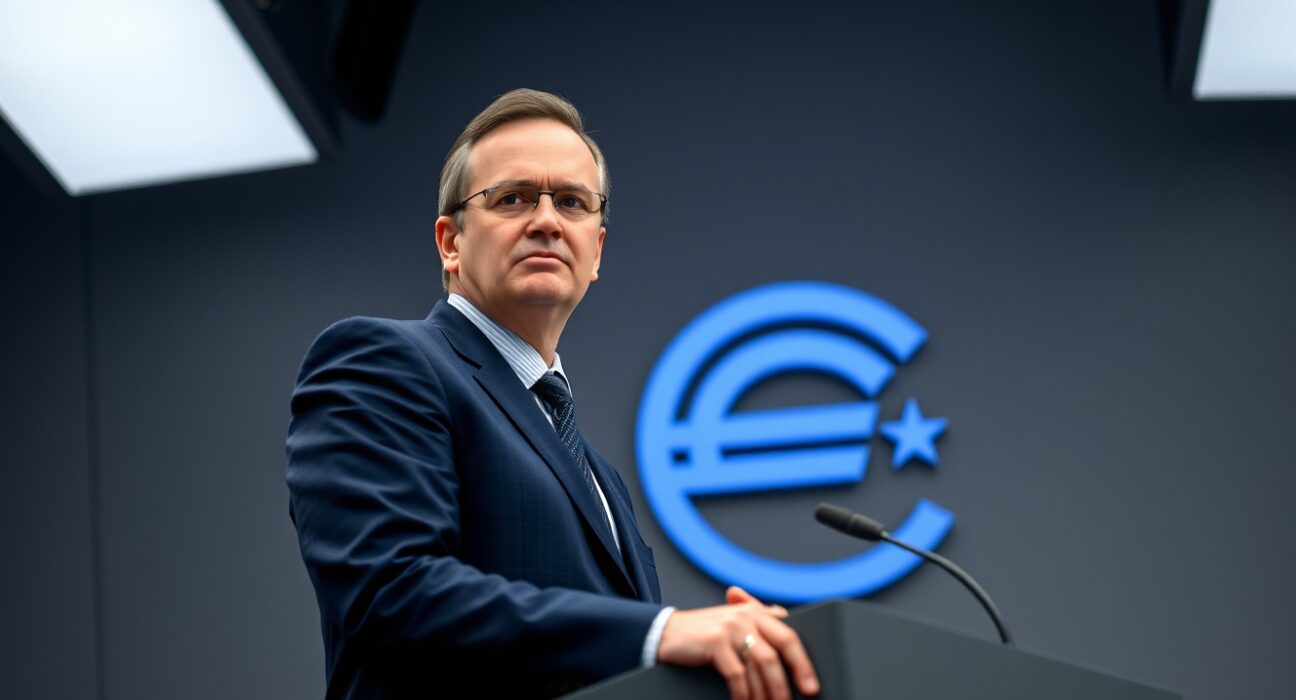
European Central Bank Chief Economist Philip Lane has indicated that a range of forward-looking signals point to rising inflationary pressures in the eurozone over the coming months. Speaking at an economic forum in Frankfurt, Lane emphasized that while current inflation figures remain moderate, leading indicators such as wage growth, energy futures, and supply chain bottlenecks suggest upward momentum.
Context and Background
Lane’s remarks come as the ECB navigates a delicate balance between curbing inflation and supporting economic growth. The eurozone has experienced a period of disinflation, but recent data on services inflation and labor market tightness have raised concerns. Lane noted that the ECB’s own projections, combined with market-based inflation expectations, show a clear upward trajectory.
Key forward-looking indicators cited by Lane include:
- Wage negotiations pointing to higher settlements in key sectors
- Energy price futures indicating sustained cost pressures
- Supply chain disruptions in critical industries
- Consumer price expectations surveys trending higher
Implications for Monetary Policy
Analysts interpret Lane’s comments as a signal that the ECB may need to maintain or even tighten its monetary stance in the coming quarters. The central bank has already raised rates aggressively, but inflation remains above the 2% target. Lane stressed that policy decisions will remain data-dependent, with the forward-looking indicators playing a central role in the Governing Council’s assessment.
What This Means for Investors and Consumers
For investors, Lane’s remarks reinforce expectations that ECB interest rates will stay higher for longer, potentially impacting bond yields and euro exchange rates. For consumers, persistent inflationary pressures could mean continued higher costs for goods and services, particularly in energy and food categories. Businesses may face ongoing input cost pressures, affecting profit margins and pricing strategies.
Conclusion
Philip Lane’s latest assessment underscores the ECB’s vigilance regarding inflation dynamics. While the central bank has made progress in bringing down headline inflation, the forward-looking signals Lane highlighted suggest that the battle is far from over. Market participants and policymakers alike will be watching upcoming data releases closely for confirmation of these trends.
FAQs
Q1: What forward-looking indicators did ECB’s Lane mention?
Lane referenced wage growth trends, energy futures, supply chain bottlenecks, and consumer price expectations as key signals pointing to rising inflationary pressures.
Q2: How might Lane’s comments affect ECB policy?
The comments suggest the ECB may maintain or tighten monetary policy further if inflation pressures materialize, with rate decisions remaining data-dependent.
Q3: Why does this matter for eurozone consumers?
Persistent inflation could keep prices high for essentials like food and energy, affecting household budgets, while higher interest rates may increase borrowing costs for mortgages and loans.
Disclaimer: The information provided is not trading advice, Bitcoinworld.co.in holds no liability for any investments made based on the information provided on this page. We strongly recommend independent research and/or consultation with a qualified professional before making any investment decisions.
