

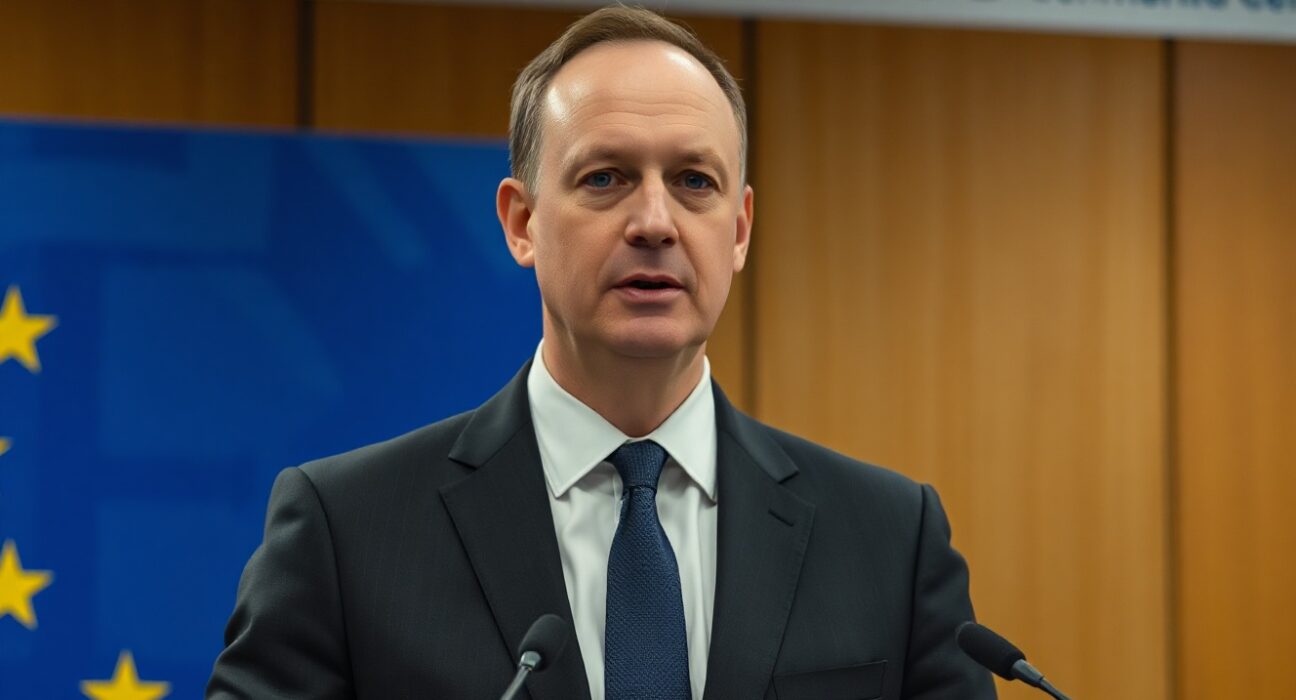
European Central Bank (ECB) Chief Economist Philip Lane has cautioned that while the initial surge in energy prices may be subsiding, the so-called second-round effects on wages and broader prices will linger, prolonging the inflation challenge for the eurozone. Speaking at an event in Frankfurt on [insert date if known, otherwise use ‘recently’], Lane emphasized that the transmission of energy costs through the economy is not yet complete.
Understanding Second-Round Effects
Second-round effects refer to the process where initial price shocks—such as a spike in oil or gas prices—feed into higher wage demands and broader cost increases across sectors. As workers seek compensation for higher living costs, businesses pass on those higher labor costs to consumers, creating a self-reinforcing cycle of inflation. Lane noted that even if headline inflation figures decline as energy prices stabilize, these underlying pressures could keep core inflation elevated for an extended period.
Implications for ECB Policy
Lane’s remarks reinforce the ECB’s cautious stance on interest rate cuts. The central bank has kept its key deposit rate at 4% since September 2023, and markets have been speculating about the timing of the first reduction. Lane’s warning suggests that policymakers will need to see clear evidence that wage growth and core inflation are cooling before easing monetary policy. The ECB’s own projections show inflation returning to its 2% target only by late 2025, and persistent second-round effects could delay that timeline further.
What This Means for Consumers and Businesses
For households and companies in the eurozone, Lane’s comments signal that borrowing costs are likely to remain high for longer. Mortgage rates, business loans, and corporate financing will stay expensive, dampening economic activity. On the positive side, workers may see continued wage increases as firms adjust to higher costs, though these gains could be eroded by still-elevated prices. The ECB is walking a tightrope between curbing inflation and avoiding a deep recession.
Conclusion
Philip Lane’s assessment underscores the complexity of the inflation fight. While the energy shock that began in 2021 and intensified after Russia’s invasion of Ukraine is fading, its aftershocks are still being felt across the eurozone economy. The ECB’s next moves will depend heavily on data showing whether second-round effects are truly diminishing. Until then, interest rates are expected to remain at their current high levels, with significant consequences for growth and employment.
FAQs
Q1: What are second-round effects in the context of inflation?
Second-round effects occur when an initial price shock—like a rise in energy costs—leads to higher wage demands and broader price increases, creating a persistent inflationary cycle even after the original shock fades.
Q2: How does Philip Lane’s warning affect ECB interest rate decisions?
Lane’s comments suggest the ECB will delay cutting interest rates until there is clear evidence that second-round effects are weakening. This means borrowing costs are likely to stay high for longer than many had hoped.
Q3: Why do second-round effects matter for the average eurozone consumer?
They mean that even if energy prices drop, everyday goods and services may continue to rise in price due to higher wages and business costs. This keeps the cost of living elevated and can delay relief for households.
Disclaimer: The information provided is not trading advice, Bitcoinworld.co.in holds no liability for any investments made based on the information provided on this page. We strongly recommend independent research and/or consultation with a qualified professional before making any investment decisions.
