

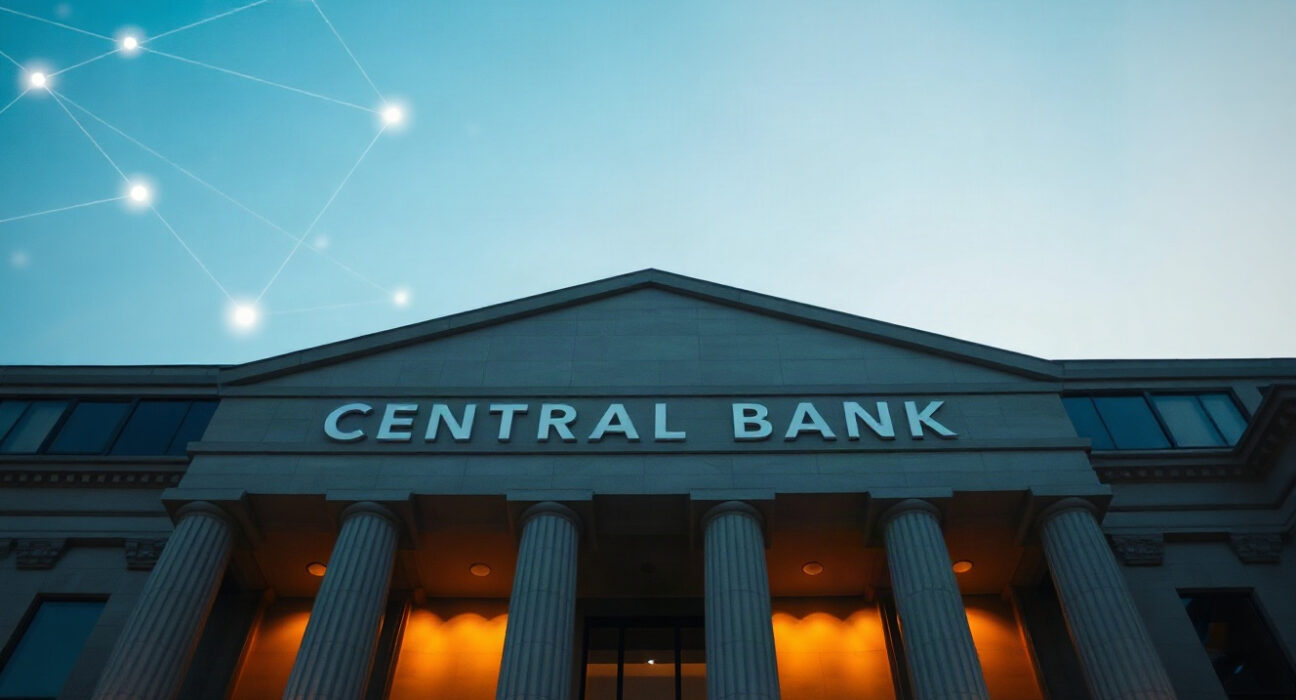
European Central Bank (ECB) Executive Board member Isabel Schnabel said that central bank money should be moved onto blockchain networks to modernize the financial system, according to a Bloomberg report. Speaking at the Jackson Hole economic symposium on Aug. 28, Schnabel argued that this shift would help central bank money retain its role as the foundation for settlement while unlocking the programmability of distributed ledger technology.
Why Move Central Bank Money On-Chain?
Schnabel’s comments underscore a growing recognition among policymakers that blockchain technology could enhance the efficiency of monetary operations. By issuing central bank money on distributed ledgers, central banks could enable automatic transfers when predefined conditions are met, such as in securities settlement or conditional payments. This would reduce the need for intermediaries and streamline processes that currently rely on manual reconciliation.
The proposal comes amid broader experimentation with central bank digital currencies (CBDCs) worldwide. While many central banks have explored retail CBDCs for public use, Schnabel’s focus is on wholesale applications—where financial institutions use central bank money for interbank settlements. This approach could complement existing payment systems rather than replace them, offering a more resilient and innovative infrastructure.
Implications for Monetary Policy Implementation
Moving central bank money onto blockchain networks could also transform how monetary policy is executed. For instance, programmability might allow for more precise control over liquidity conditions, enabling automated responses to market developments. However, such changes require careful design to ensure security, privacy, and compliance with existing regulations.
Schnabel’s remarks align with the ECB’s ongoing digital euro project, though that initiative focuses on a retail version for citizens. Her emphasis on wholesale use suggests a parallel track that could modernize the financial backbone without disrupting the public’s access to central bank money.
Market and Industry Reactions
The blockchain and crypto industry has welcomed the endorsement from a senior central bank official, viewing it as validation of the technology’s potential. However, experts caution that implementation challenges remain, including scalability, interoperability with legacy systems, and legal frameworks. Central banks must also address cybersecurity risks and ensure that any on-chain system meets the highest standards of resilience.
For readers, this development signals that blockchain is no longer a fringe concept but is being seriously considered by top financial authorities. It could eventually lead to faster, cheaper, and more transparent financial transactions, benefiting businesses and consumers alike.
Conclusion
Isabel Schnabel’s call to move central bank money onto blockchain networks marks a significant step toward integrating distributed ledger technology into the core of the financial system. While still in early stages, this approach could redefine how monetary policy is implemented and how settlements occur. As central banks continue to explore these possibilities, the financial landscape may see profound changes in the coming years.
FAQs
Q1: What is central bank money?
Central bank money refers to liabilities issued by a central bank, such as physical cash or reserves held by commercial banks. It is the safest form of money because it is backed by the central bank itself.
Q2: How would blockchain improve central bank operations?
Blockchain can provide programmable money that moves automatically when conditions are met, reducing settlement times and operational risks. It also offers transparency and immutability, which could enhance trust in the financial system.
Q3: Is the ECB planning to issue a digital euro?
Yes, the ECB is exploring a digital euro for retail use, but Schnabel’s comments suggest a separate initiative for wholesale central bank money on blockchain, targeting interbank settlements and financial market infrastructure.
Disclaimer: The information provided is not trading advice, Bitcoinworld.co.in holds no liability for any investments made based on the information provided on this page. We strongly recommend independent research and/or consultation with a qualified professional before making any investment decisions.
