

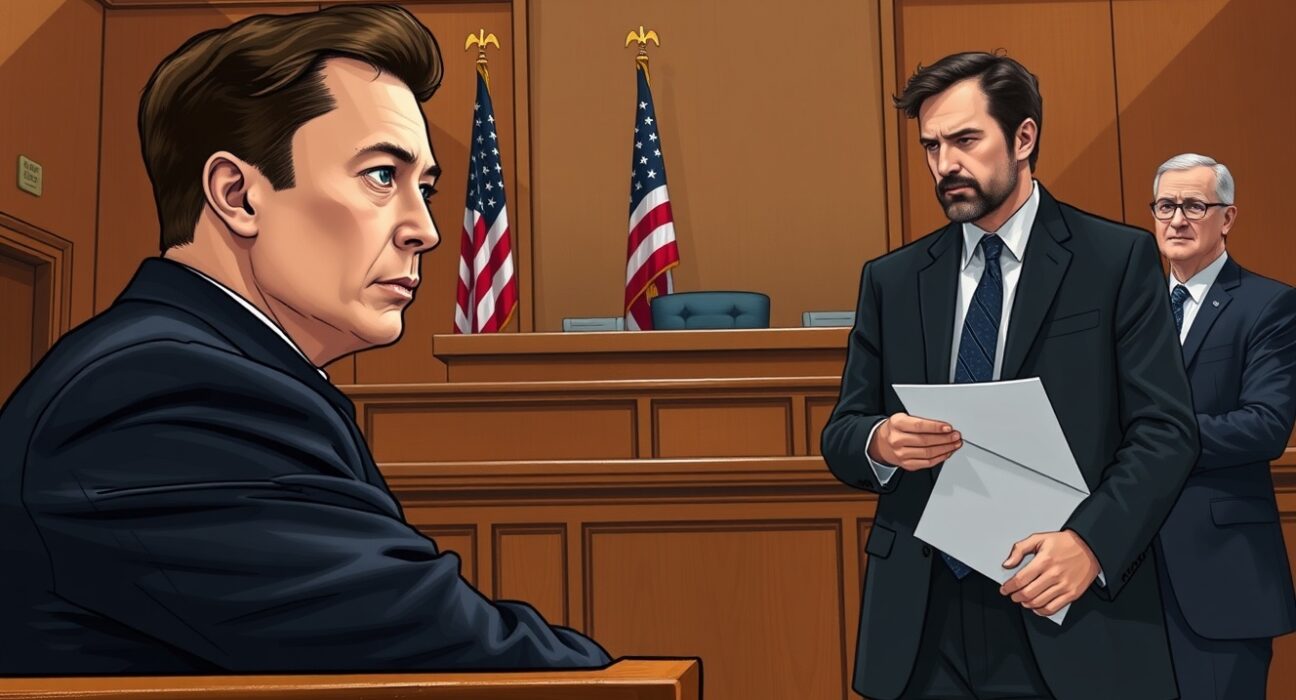
The Elon Musk lawsuit against OpenAI has entered a critical phase. Musk spent three days on the witness stand this week. The case centers on allegations that Sam Altman betrayed OpenAI’s original nonprofit mission. Emails, text messages, and Musk’s own tweets are now part of the court record. This legal battle is far from over.
The Core of the Elon Musk Lawsuit Against OpenAI
Musk’s argument is straightforward. He claims OpenAI’s conversion to a for-profit model violates its founding principles. The company was established as a nonprofit in 2015. Its goal was to develop artificial intelligence for the benefit of humanity. Musk alleges that Altman and the board prioritized profits over safety. The lawsuit seeks to block this transition. It also demands financial restitution.
Court documents reveal internal conflicts. Musk’s testimony highlighted a key disagreement. He believed OpenAI should remain transparent. Altman, according to Musk, pushed for a more commercial approach. This friction led to Musk’s departure from the board in 2018. The lawsuit was filed in 2024. It has since drawn significant public attention.
Key Evidence in the Sam Altman OpenAI Dispute
The courtroom has seen a flood of evidence. Emails between Musk and Altman show early tensions. In one message, Musk warned about the risks of profit-driven AI. Another email from Altman discussed revenue strategies. These documents are central to the case.
- Emails: Reveal disagreements over OpenAI’s direction.
- Text messages: Show personal and professional friction.
- Tweets: Musk’s public statements are used as evidence.
- Board minutes: Document decisions about the for-profit shift.
The court also heard from former employees. They testified about a culture shift at OpenAI. Early staff believed in the nonprofit mission. Later hires focused on product development. This change aligns with Musk’s claims.
Impact on the AI Industry and Future Regulation
The outcome of this lawsuit could reshape the AI sector. If Musk wins, other AI companies may face similar challenges. The case questions the ethics of for-profit AI development. Regulators are watching closely. The European Union is already drafting AI laws. The United States is considering new rules.
Legal experts offer varied opinions. Professor Sarah Chen of Stanford Law notes, “This case tests the boundaries of corporate governance in tech.” She adds, “The verdict will set a precedent for nonprofit-to-for-profit conversions.” Other experts warn of unintended consequences. A ruling against OpenAI could slow innovation. It might also encourage more transparency.
Timeline of the Musk v. Altman Legal Battle
The dispute has a long history. Here is a timeline of key events:
| Year | Event |
|---|---|
| 2015 | OpenAI founded as a nonprofit. |
| 2018 | Musk leaves the board. |
| 2020 | OpenAI announces GPT-3 and for-profit arm. |
| 2023 | ChatGPT launches, sparking public interest. |
| 2024 | Musk files lawsuit. |
| 2025 | Court hearings begin. |
This timeline shows the gradual shift in OpenAI’s strategy. The lawsuit aims to reverse this trend.
Broader Implications for Artificial Intelligence Ethics
The case raises fundamental questions. Can AI development be both safe and profitable? Musk argues no. He believes profit motives lead to rushed, unsafe products. Altman counters that funding is necessary for advanced research. This debate echoes across the tech world.
Other AI leaders have weighed in. Demis Hassabis of DeepMind supports a balanced approach. He advocates for “responsible profit.” Yann LeCun of Meta argues that profit drives innovation. These differing views highlight the complexity of the issue.
What Comes Next in the OpenAI Lawsuit
The trial is expected to last several more weeks. More witnesses will testify. These include current and former OpenAI executives. The court will also review additional documents. A final verdict may take months.
Both sides are preparing for appeals. The legal costs are already substantial. Musk is funding his own legal team. OpenAI is using corporate resources. The financial stakes are high. The reputational stakes are even higher.
Conclusion
The Elon Musk lawsuit against OpenAI is a landmark case. It challenges the core of AI development ethics. The battle between Musk and Altman is just beginning. The outcome will influence AI regulation, corporate governance, and public trust. As the trial continues, the world watches closely. This legal fight is a defining moment for the future of artificial intelligence.
FAQs
Q1: What is the Elon Musk lawsuit against OpenAI about?
Musk claims OpenAI violated its nonprofit mission by converting to a for-profit model. He argues this prioritizes profits over AI safety.
Q2: Who is Sam Altman in this context?
Sam Altman is the CEO of OpenAI. He is the primary defendant in the lawsuit. Musk alleges Altman led the shift to a for-profit structure.
Q3: What evidence is being used in the case?
Emails, text messages, tweets, and board minutes are key evidence. They show disagreements over OpenAI’s direction.
Q4: How could this lawsuit affect the AI industry?
A ruling against OpenAI could set a precedent. It may lead to stricter regulations and more transparency in AI development.
Q5: When will the trial end?
The trial is ongoing. A verdict is expected in late 2025 or early 2026. Appeals could extend the timeline.
Disclaimer: The information provided is not trading advice, Bitcoinworld.co.in holds no liability for any investments made based on the information provided on this page. We strongly recommend independent research and/or consultation with a qualified professional before making any investment decisions.
