
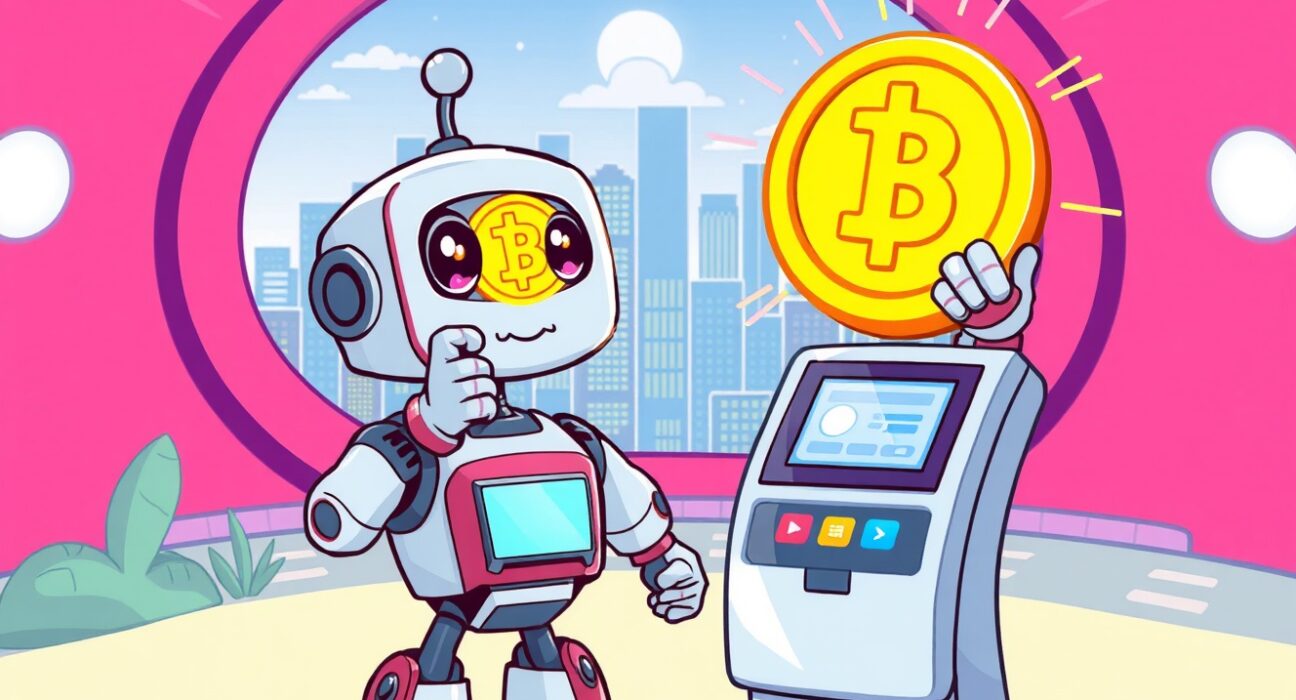
Imagine a world where robots don’t just perform tasks but also autonomously pay for the resources they need. This futuristic vision is now a major step closer to reality. In a groundbreaking move, OpenMind, a pioneer in decentralized robot operating systems, has announced a strategic partnership with Circle, the issuer of the USDC stablecoin. Together, they aim to build the foundational payment infrastructure for Embodied AI, enabling intelligent machines to conduct real-world transactions seamlessly.
Why Does Embodied AI Need Its Own Payment System?
Embodied AI refers to artificial intelligence that interacts with the physical world through a robotic body. While their capabilities are growing, a critical piece has been missing: economic agency. For these systems to operate truly independently—whether as warehouse assistants, delivery bots, or maintenance units—they must be able to transact value. They might need to pay for electricity, purchase a replacement part, or even charge for a service rendered. This partnership directly addresses that gap by creating a dedicated payment infrastructure for Embodied AI.
How Will This New Payment Infrastructure Work?
The collaboration cleverly combines the strengths of both companies to create a complete transactional loop. Here’s the proposed framework:
- OpenMind’s Embodied Function Stack: This is the “brain” of the operation. It determines the what, when, and where of a transaction. For example, it identifies that a robot’s battery is low, locates the nearest charging station, and initiates a payment request.
- Circle’s USDC Stablecoin: USDC will act as the unit of account and the medium of exchange. Its price stability, pegged to the US dollar, is crucial. A robot needs to know the $5 it holds today will still buy the same amount of electricity tomorrow, avoiding the volatility of other cryptocurrencies.
- Circle’s x402 Protocol: This technology provides the essential “payment rails.” Think of it as the digital highway that securely and instantly transfers USDC from the robot’s wallet to the service provider’s wallet, finalizing the transaction.
What Are the Tangible Benefits of This System?
This isn’t just a technical experiment; it promises real-world advantages. First, it enables true machine-to-machine (M2M) commerce, allowing robots to interact economically without constant human oversight. This leads to greater efficiency and autonomy in logistics, manufacturing, and smart cities. Second, by using a transparent blockchain-based system, every transaction is auditable, reducing fraud and simplifying accounting for businesses deploying robotic fleets. Finally, it creates a new, programmable economic layer for the physical world, opening doors to innovative business models we are only beginning to imagine.
What Challenges Lie Ahead for Embodied AI Payments?
However, the path forward is not without its hurdles. Regulatory frameworks for autonomous economic agents are virtually non-existent. Questions about liability, taxation, and compliance will need clear answers. Furthermore, the security of both the robotic systems and their digital wallets is paramount; a vulnerability could lead to significant financial loss. Widespread adoption will also depend on the cost and complexity of integrating this new payment infrastructure for Embodied AI into existing business and industrial systems.
In conclusion, the partnership between OpenMind and Circle is a visionary leap. It moves Embodied AI from being mere tools to becoming potential economic participants. By building a reliable payment infrastructure for Embodied AI on the backbone of stable digital currency, they are laying the groundwork for a more automated and interconnected future. This collaboration signals that the next frontier for digital currency isn’t just online—it’s in the physical world, in the hands (or grippers) of intelligent machines.
Frequently Asked Questions (FAQs)
Q1: What is Embodied AI?
A1: Embodied AI is artificial intelligence that exists and acts within a physical body, like a robot or drone. It perceives and interacts with the real world, unlike AI that only processes digital data.
Q2: Why use USDC instead of regular money or Bitcoin?
A2: USDC is a stablecoin, meaning its value is pegged to the US dollar. This stability is essential for machines making transactions, as they cannot handle the price volatility associated with cryptocurrencies like Bitcoin. It’s digital, programmable, and globally accessible.
Q3: Can a robot really “own” cryptocurrency?
A3: Technically, the cryptocurrency would be held in a digital wallet controlled by the software governing the robot. The legal ownership would likely remain with the individual or company that operates the robotic system, similar to how a corporate bank account works.
Q4: Is this technology safe from hacking?
A4> Security is a top concern. The system will rely on robust cryptographic security for wallets and transactions. However, as with any financial technology, continuous advancements in cybersecurity will be critical to protect against threats.
Q5: What’s a real-world example of how this could be used?
A5: A self-driving delivery drone could use this system to automatically pay a small fee to land on a dedicated, recharging smart perch on an apartment building, refuel its battery, and continue its deliveries without any human intervention.
Q6: When will we see this in action?
A6> The partnership is in the infrastructure-building phase. Widespread, real-world deployment will likely follow testing, regulatory clarity, and integration with existing robotics platforms, which could take several years.
Found this look into the future of robotics and finance fascinating? This fusion of AI and cryptocurrency is set to redefine automation. Help others discover this groundbreaking development by sharing this article on your social media channels!
To learn more about the latest trends in blockchain and real-world asset tokenization, explore our article on key developments shaping the convergence of decentralized finance and physical infrastructure.
Disclaimer: The information provided is not trading advice, Bitcoinworld.co.in holds no liability for any investments made based on the information provided on this page. We strongly recommend independent research and/or consultation with a qualified professional before making any investment decisions.