

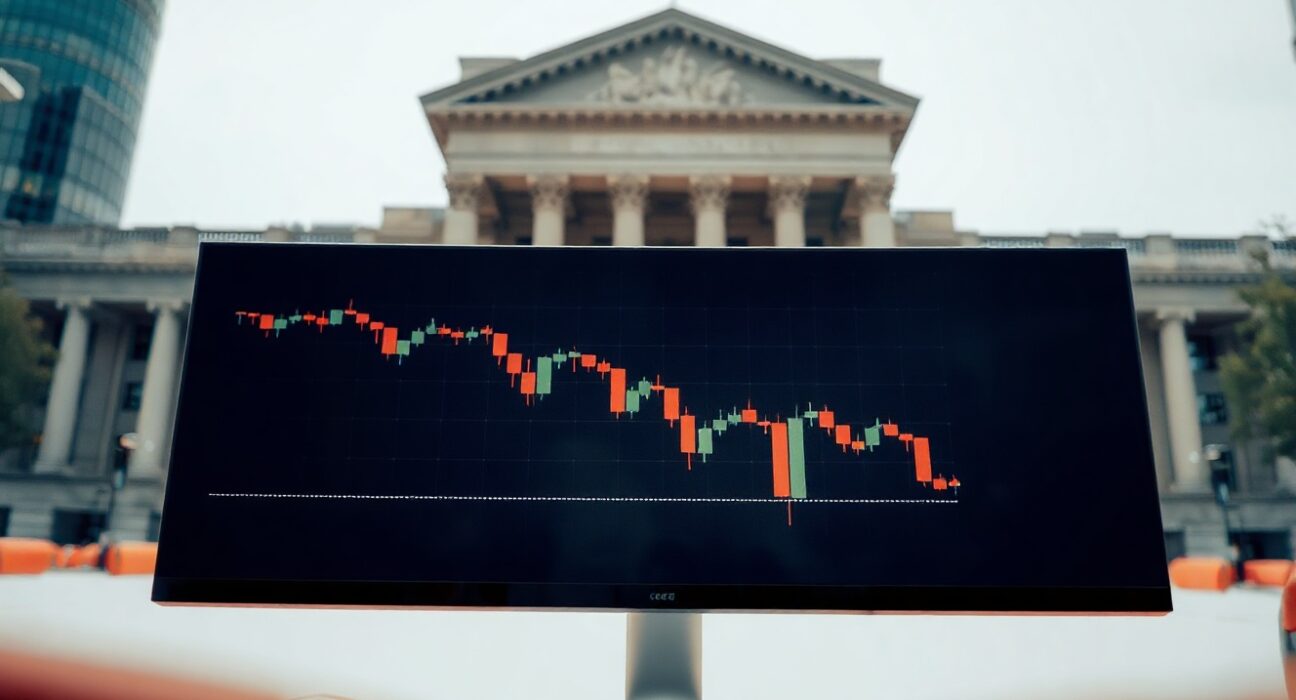
The euro declined against the US dollar on [Date of publication], as escalating uncertainty in the Middle East prompted investors to seek the relative safety of the American currency, a classic risk-off market movement.
Why is the Euro Falling?
The primary driver behind the euro’s weakness is a shift in global investor sentiment. Geopolitical events in the Middle East have a history of triggering volatility in financial markets, and the current situation is no different. In times of heightened geopolitical risk, capital tends to flow out of currencies perceived as riskier, such as the euro, and into traditional safe-haven assets like the US dollar, Swiss franc, and gold. This dynamic puts downward pressure on the EUR/USD exchange rate.
Market Dynamics and Safe-Haven Flows
The US dollar’s strength is not necessarily a reflection of a robust American economy, but rather a relative advantage in a turbulent environment. The US dollar’s status as the world’s primary reserve currency and its deep, liquid financial markets make it the go-to destination for investors looking to protect their capital. This influx of capital into dollar-denominated assets increases its value against major counterparts like the euro. The euro, on the other hand, is more sensitive to geopolitical shocks that could impact energy prices and trade flows, given Europe’s reliance on imported energy and its proximity to the region.
What This Means for Businesses and Investors
For European businesses that import goods priced in dollars, a weaker euro increases costs. Conversely, European exporters may find their goods more competitive in global markets. For investors holding euro-denominated assets, the currency’s decline can erode returns when converted back to other currencies. The situation remains fluid, and market analysts are closely watching for any diplomatic developments that could ease tensions and reverse the current trend. The currency market is highly sensitive to news headlines, and any sign of de-escalation could quickly trigger a rebound in the euro.
Conclusion
The euro’s decline against the US dollar is a direct consequence of rising geopolitical risk in the Middle East, which has intensified the demand for safe-haven assets. While the situation is developing, the prevailing market sentiment favors the US dollar. Traders and investors should remain cautious and stay informed on geopolitical news, as it is likely to be the primary catalyst for currency movements in the near term.
FAQs
Q1: What is a safe-haven currency?
A safe-haven currency is one that investors buy to protect their wealth during times of global economic or geopolitical uncertainty. The US dollar, Swiss franc, and Japanese yen are considered traditional safe havens due to the stability and liquidity of their respective economies and financial systems.
Q2: How does geopolitical risk affect the forex market?
Geopolitical risk creates uncertainty, which often leads to a ‘risk-off’ sentiment. In this environment, investors sell assets considered risky (like stocks and higher-yielding currencies) and move their capital into safer assets (like the US dollar and gold). This capital flight strengthens the safe-haven currency and weakens others.
Q3: Is a weaker euro always bad for the European economy?
No. A weaker euro can benefit European exporters by making their products cheaper and more competitive in international markets. However, it also makes imports more expensive, which can contribute to higher inflation. The overall impact depends on the specific structure of an economy and its reliance on exports versus imports.
Disclaimer: The information provided is not trading advice, Bitcoinworld.co.in holds no liability for any investments made based on the information provided on this page. We strongly recommend independent research and/or consultation with a qualified professional before making any investment decisions.
