

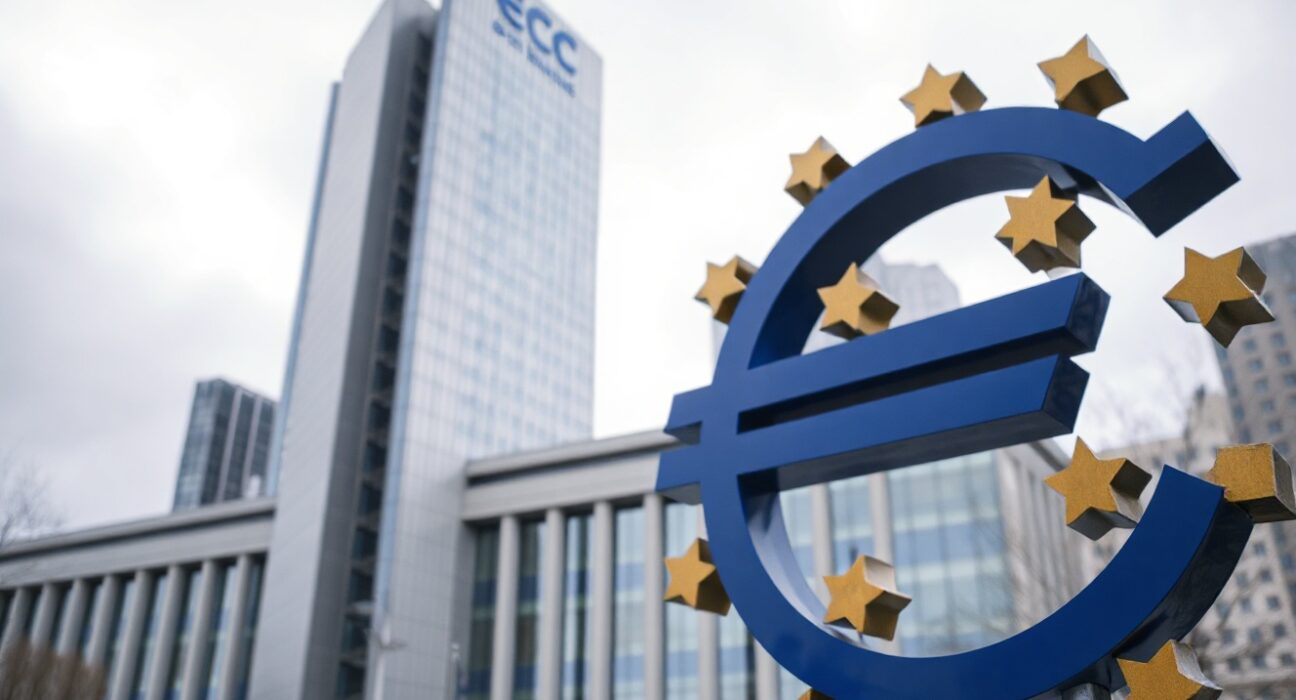
The euro held its ground on Monday as the latest Purchasing Managers’ Index (PMI) data suggested the eurozone economy is showing resilience, tempering fears of stagflation, according to BNY.
PMI Data Eases Stagflation Concerns
The preliminary PMI figures for the eurozone, released on Monday, indicated that business activity in the bloc continues to expand, albeit at a modest pace. This resilience, particularly in the services sector, has led analysts at BNY to push back against the narrative that the eurozone is headed for a period of stagflation—a toxic mix of stagnant growth and high inflation.
While the manufacturing sector remains under pressure, the services sector has shown unexpected strength, suggesting that the broader economy is not contracting as sharply as some had feared. This has provided some support to the euro, which had been under pressure from concerns about the economic outlook.
Market Implications and Analyst Views
The PMI data is a key indicator for the European Central Bank (ECB) as it considers its next policy moves. A more resilient economy gives the ECB more room to continue its fight against inflation without triggering a deep recession.
BNY noted that the data tempers the more pessimistic scenarios that had been circulating in the market. However, they also cautioned that the situation remains fluid, and the ECB will likely remain data-dependent.
Why This Matters for Investors
For currency traders, the euro’s reaction to the PMI data is a signal that the market is still sensitive to economic data releases. The single currency’s stability suggests that the worst-case scenarios for the eurozone economy are being priced out, at least for now.
Investors will be watching upcoming inflation data and the ECB’s policy meeting in June for further clues. The resilience in the services sector could also have implications for the ECB’s rate path, potentially leading to a more gradual easing cycle than previously expected.
Conclusion
In summary, the eurozone’s PMI data has provided a temporary reprieve from stagflation fears, supporting the euro and offering a more balanced outlook for the bloc’s economy. However, the underlying challenges remain, and the path forward will depend on upcoming economic indicators and policy decisions.
FAQs
Q1: What is the PMI and why is it important?
The Purchasing Managers’ Index (PMI) is a survey-based economic indicator that provides insight into the business conditions in the manufacturing and services sectors. It is closely watched by economists and investors because it is a timely gauge of economic health, and a reading above 50 indicates expansion, while below 50 signals contraction.
Q2: What is stagflation and why is it a concern?
Stagflation is a situation where an economy experiences stagnant growth, high unemployment, and high inflation simultaneously. It is a concern because traditional policy tools, such as raising interest rates to fight inflation, can exacerbate economic stagnation, making it difficult for central banks to manage.
Q3: How does the PMI data affect the euro’s value?
The PMI data influences the euro’s value because it provides clues about the health of the eurozone economy. Stronger-than-expected data can boost the euro, as it suggests the economy is resilient and may prompt the ECB to maintain a more hawkish stance on interest rates, which tends to attract foreign investment and support the currency.
Disclaimer: The information provided is not trading advice, Bitcoinworld.co.in holds no liability for any investments made based on the information provided on this page. We strongly recommend independent research and/or consultation with a qualified professional before making any investment decisions.
